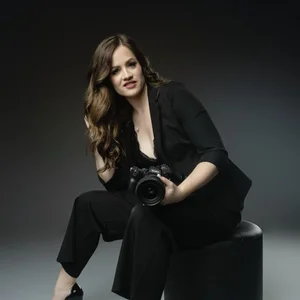
Knowing how to choose a boudoir photographer starts with more than liking a portfolio. You are choosing a visual style, a person to work with, a privacy process, and a purchase path. A little preparation helps you compare those pieces clearly, ask useful questions, and decide whether the experience fits your comfort level, timeline, and budget.
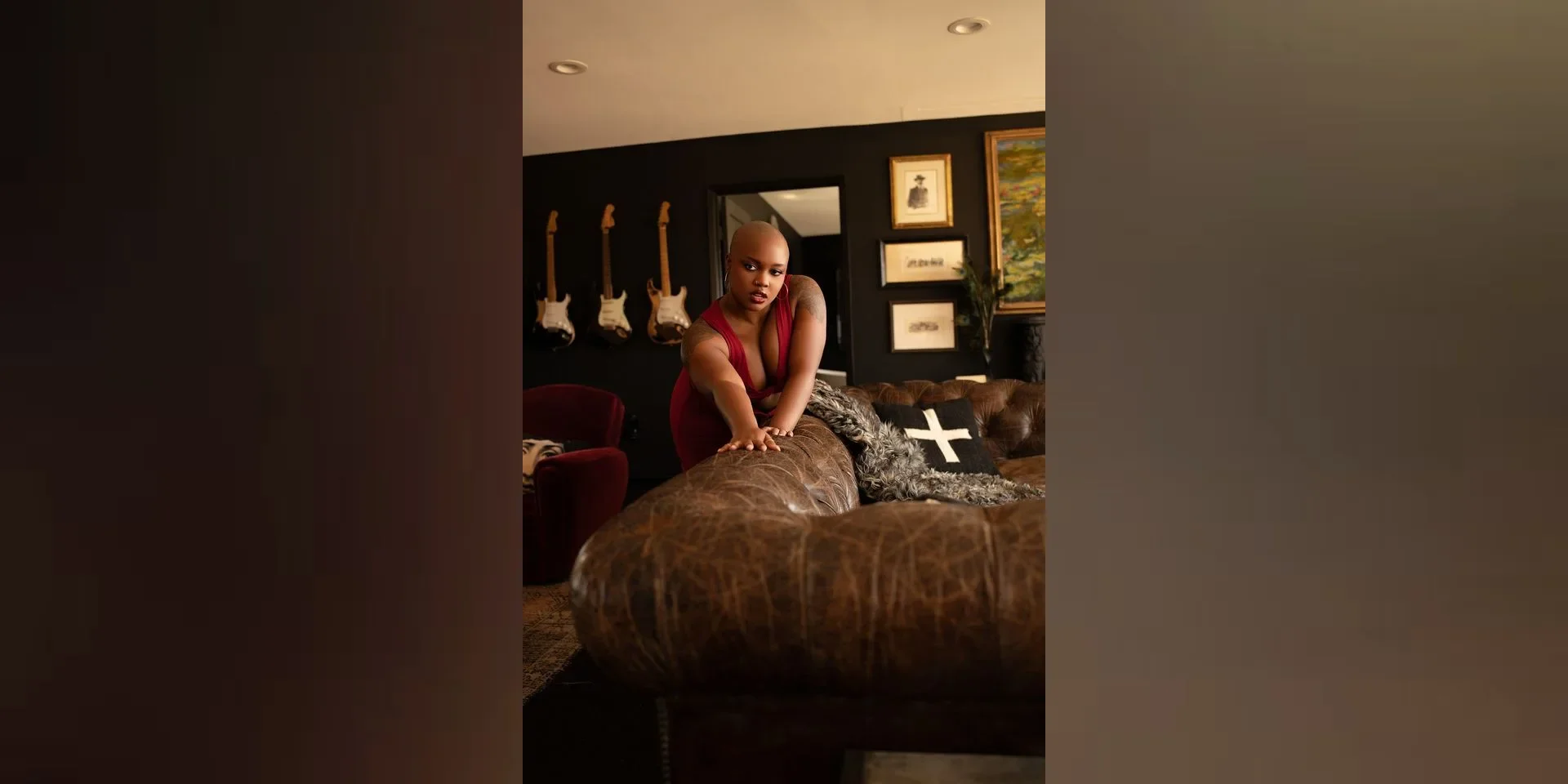
What do you want the experience to feel like?
Start with what matters to you, not with what you think a session is supposed to look like. You might be celebrating a milestone, preparing for a wedding, marking a new season after motherhood, or doing something simply because you want to. You do not need a polished explanation. Your reason can be personal and uncomplicated.
Write down three things that would make the experience feel worthwhile. For example, you may want calm direction, a clear privacy policy, a particular kind of finished artwork, or enough time to ask questions. Add one concern you want answered before you reserve. This list gives you a practical guide for a consultation and makes it easier to notice whether the photographer listens to your priorities.
Think about the photographs you are drawn to, too. Do you like natural light, darker tones, classic portraits, or a mix? When you save an example, name what appeals to you: the expression, lighting, pose, wardrobe, or setting. This gives you a way to explain your taste without expecting your session to copy another person's photograph exactly.
Keep some preferences open. You may not know which wardrobe or product will feel right until you have heard how the process works. A photographer should be able to talk about choices and explain what can be adapted. Notice whether the conversation begins with listening or whether you are immediately handed a preset plan.
It may also help to separate essentials from preferences. An essential might be a clear way to decline public use of your images. A preference might be a certain lighting style or a specific album size. If you know which is which, you can compare photographers without losing sight of the things that matter most.
How can a consultation show you how to choose a boudoir photographer?
A consultation is a chance to understand the experience before making a commitment. Ask what happens from your first conversation through the finished order. A useful explanation should cover planning, the session, image selection, product decisions, payment timing, and how you can ask questions along the way.
For Tabetha Rae Photography, the preliminary consultation is described as a conversation about your vision, experience, pricing, products, and financing. Use that time to ask specific questions and decide whether the process fits. You can schedule a consultation through the contact page.
Before the call, choose the questions you need answered to make a decision. You might ask what the fee due to reserve covers, when you see photographs, whether you can review the current price list, and what decisions must be made before reserving. If you have a deadline, share it at the beginning rather than saving it for the end.
Listen for clarity, not for a particular sales style. You should be able to explain what you are paying for, what remains undecided, and what happens next. If an answer is vague, ask for a written explanation. It is reasonable to take time to review an agreement or price list before you choose a date.
Pay attention to how it feels to ask a question. Are you given a direct answer? Can you ask for more detail without being made to feel difficult? Can you say you need time to think? The way a photographer handles a practical question can help you understand what communication may be like later.
A consultation does not mean you must book. Afterward, write down the answers while they are fresh. Mark anything that needs follow-up, such as a payment term or delivery estimate. If the answer matters to your decision, ask the studio to confirm it in writing before you sign or pay.
What should you look for in a portfolio?
A portfolio gives you a first sense of a photographer's style, but look beyond the one image that catches your eye. Consider lighting, backgrounds, wardrobe, expressions, posing, and variety across the work. Ask whether the images feel consistent with the kind of photographs you hope to keep.
Notice whether the subjects are presented with care across different appearances and personal styles. You do not need to find a person who looks exactly like you. Instead, look for thoughtful posing and signs that the photographer can adapt rather than putting every person into one narrow template.
Look at the full image, not only the wardrobe. Ask yourself whether the expression feels natural to you, whether the lighting suits your taste, and whether the photograph feels considered. A single dramatic pose may be beautiful, but it cannot tell you by itself how the photographer directs, adjusts, or collaborates during a session.
Examples of finished products are helpful, too, but a photograph of an album or print does not explain what a particular purchase includes. Ask whether a sample is a physical product, a digital file, or both. If an album matters to you, ask how images are selected, how the design is reviewed, and what kind of changes are possible.
Public galleries also depend on client permission. Ask whether sharing is optional and whether a release is separate from booking. The portfolio helps you judge visual style; the photographer's answers help you understand collaboration and consent.
You might save a few portfolio examples before your consultation. For each one, jot down what you like and what you would change. Instead of saying only, “I like this,” try, “I like the soft light and relaxed expression, but I prefer a simpler background.” That kind of detail gives the photographer a clearer sense of your preferences.
How do privacy and image-release choices work?
Bring up privacy before you book. Ask how photographs are stored and viewed, who may access them as part of the service, and how the studio handles sharing on a website or social media. Practices differ, so ask about the actual process and read the agreement instead of relying on a general assurance.
Find out whether marketing use requires a written release, whether you can decline public sharing, and whether different levels of permission are available. If you might agree to some uses but not others, ask whether the form lets you make that distinction. Ask where your choice is recorded and whether you can review it before the session.
Having photographs made and permitting marketing use are separate decisions. Do not leave the release question until the appointment. Request the policy in advance, read it at your own pace, and keep a copy of the choices you make. If the form uses wording you do not understand, ask for an explanation before signing.
Practical privacy questions matter, too. Who will be in the room? Who handles images when products are made? How are online galleries or digital files delivered, if those are part of your purchase? What should you do if you want a particular photograph excluded from a use? Ask the studio to explain its current practice rather than guessing from what another business does.
Tabetha Rae Photography describes several image-release choices, including a delayed release option, and says marketing use depends on the client's chosen release. Review the current form and confirm the options available to you. The written agreement you receive should guide your choice.
When you compare policies, look for specifics. “Your images are private” can mean different things to different people. Ask who may see the files as part of delivering your order, how public sharing is handled, and whether a signed permission is needed. You are looking for a clear explanation that matches the written paperwork.
How much preparation and direction will you receive?
You do not need experience in front of a camera to ask about posing. Find out whether the photographer demonstrates or describes a pose, checks in as the session goes along, and offers another option if an idea does not feel right. You should be able to pause, speak up, and discuss a change.
Ask what planning support follows reservation. Is wardrobe guidance provided? What should you bring? When do you discuss ideas? A simple plan can help you prepare without making you feel you need to buy a new wardrobe or arrive with every detail decided.
If professional hair and makeup are offered, ask who provides them, when they happen, and what choices you can discuss. Confirm whether they are included in the session fee or cost extra. A polished portfolio does not tell you which services are part of the particular experience you are considering.
Ask about clothing in a practical way. A favorite shirt, robe, or another personal item may be worth discussing alongside other wardrobe choices. If a client closet is mentioned, ask who can use it and under what conditions. At Tabetha Rae Photography, closet access is conditional on collection prepayment, so it should not be assumed to come with every session fee.
Before booking, make sure you understand how to communicate a boundary or change. A collaborative session depends on being able to say that an idea works for you, does not work for you, or needs adjustment. Ask how the photographer handles a pause and what happens if you want to change direction.
Think about what preparation looks like in practice. If you receive a wardrobe guide, ask whether it offers broad ideas or specific requirements. If you prefer to wear an item with personal meaning, bring it up. If you are unsure what photographs well, ask whether you can talk it through before buying or packing anything.
Who will be part of the session?
The people involved can affect how an appointment feels. Ask who helps with planning, styling, photography, and product selection. If an all-female team matters to you, ask who will be present at each stage rather than treating a general description as an answer to every detail.
Tabetha Rae Photography describes an all-female team, professional hair and makeup, guided posing, and one session per day. Ask what each point means for your particular appointment. A broad description is useful, but your own questions deserve specific answers.
Ask how long to set aside and what the pace is like. The studio describes a visit of about three hours, including preparation, with roughly 60 to 90 minutes of photography. Confirm the current plan when you speak with the studio, especially if you have scheduling needs.
If you would like a friend or support person present, ask about the policy in advance. A guest may affect the space, privacy, or flow, and studios can handle that differently. Explain why it matters to you and ask what is possible before you reserve.
Team experience is also visible in communication. Do you understand who will help with each step? Can you ask a question without feeling rushed? Does the photographer explain what happens if you need to pause? These details may tell you more about fit than a list of job titles.
When should you book, and what is the schedule?
Work backward from when you need finished artwork, not only the date you hope to be photographed. Ask about session availability, the reveal appointment, product production, and delivery. If the photographs relate to a wedding or another fixed date, mention that deadline at the start.
Tabetha Rae Photography recommends booking six to eight weeks before finished artwork is needed and describes scheduling as far as twelve months ahead, subject to availability. These are planning guidelines, not a promise of a date or delivery. Confirm the calendar and timing for your intended product.
Ask about the sequence: when planning begins, how long the appointment takes, when you see edited photographs, and when you choose products. The studio describes a return appointment for an edited reveal and ordering, roughly within a week of the session. Confirm the current schedule when you speak with the team.
Digital purchases and physical artwork follow different paths. Published estimates say paid digital purchases are often delivered the same day or within 48 hours after full payment, subject to studio absence. Physical artwork commonly takes 15 to 20 days, while some custom products may take up to five weeks. These are estimates, not guaranteed dates. If your deadline is firm, ask whether it can be met before you reserve or pay.
Write down the steps and dates you hear. Include your preferred session date and the date you need finished work. Also note the consultation, reservation, and planning period, the session and any preparation time, the reveal and product-selection appointment, and payment requirements plus the estimated production and delivery window. Keeping these together makes it easier to spot a gap.
For example, if you need an album for an event only a few weeks away, ask whether there is enough time for the reveal, image choices, design, production, and shipping. Do not assume that a quick digital estimate applies to a physical product. If there is not enough time, you can ask about another format or decide whether the schedule works for you.
How should you compare prices and what is included?
Compare the full purchase structure rather than the first number on a page. A session fee may cover planning, styling, photography, and an ordering appointment, while photographs and products are purchased separately. Another photographer may present a package that combines different items. Neither headline price tells the whole story until you know what is included and what is separate.
Tabetha Rae Photography's published pricing anchors are $500 for an individual session fee and $600 for a couples session fee. Albums are listed from $1,800, collections from $2,500, and a required prepayment plan is described toward at least $1,800. The published information does not specify whether the session fee counts toward that minimum. These figures do not establish one definite all-in price, so confirm the current price list and terms with the studio.
Make sure you know what each amount means. A session fee is not the same as an album or collection, and paying the fee does not mean photographs are included. A starting price is not a final quote for your selection. Ask when payment is due, what a prepayment can be used toward, and whether any amount applies to a stated minimum. Get the answers in writing.
Use the same questions for each photographer: What is due to reserve the date? What does that fee cover? Are photographs or products included, or purchased later? Is there a product minimum or prepayment plan? Does any session payment apply to that minimum? When do you choose images and products? What does the product you are most likely to want cost?
Do not compare one studio's session fee with another's package total. Compare the experience, the products you want, and every required payment. If you have a budget, say so and ask which options fit. You are allowed to decide that a structure does not work for you.
Do not treat an average order, a starting price, or a minimum as your personal total. Your choices determine what you purchase, and the published price list may change. Ask the photographer to explain the current terms for the options that interest you before you decide.
What should you confirm in writing?
Once you have discussed the experience, check that the main terms are easy to find in the information you receive. A written explanation helps you remember what was agreed and gives you a way to check details later. It should not force you to interpret a verbal summary or rely on a note you made during a busy call.
Start with the reservation. Confirm the amount due, what it covers, and the step that makes your date reserved. Ask whether any later payment is required before the session or ordering appointment. If there is a prepayment plan, ask how it works, what it can be applied toward, and how it relates to a stated minimum. Do not assume the answer based on a similar plan at another studio.
Then check the image and product process. Write down when you will see the edited photographs, when you select what to purchase, whether you can review a product design, and how final payment affects delivery. If you have a deadline, make sure the estimate applies to the product you want, not just a different item. Delivery estimates are not guarantees, so ask what to expect if production takes longer than planned.
Privacy deserves the same care as pricing. Keep the release form and make sure your selected choice is recorded. If the agreement describes public sharing, ask for clarification about any wording you do not understand. It is easier to sort out a mismatch before the session than to rely on memory later.
Make a short record after the consultation:
- The date, reservation payment, and what it covers.
- Any later payment or prepayment terms that were explained.
- The expected session, reveal, and product timeline.
- The current price guide and the product options you want to consider.
- Your image-release choice and where it is recorded.
What should you know about albums and finished artwork?
Think about how you would like to enjoy the photographs afterward. You might want a physical album, wall art, a folio, or digital files. You do not have to decide before a consultation, but having a likely format in mind makes the price conversation more concrete.
Ask to see product samples if possible. For an album, ask how many images can be included, how you select them, whether you can review the design, and what changes are available. For wall art or mounted prints, ask about sizes and finishes. Do not assume all collections have identical contents.
If digital files matter to you, ask which products include them and whether they can be purchased separately. Clarify any use terms that affect your plans. A printed product does not automatically mean matching digital files are included.
Find out when product choices happen. Many studios show edited photographs at a later reveal appointment, when you choose what to purchase. Ask to review the price list before that appointment and whether you can take time to decide. You should understand the choices before you are asked to make them.
Tabetha Rae Photography describes hand-bound albums, collections, folio boxes, wall art, mounted prints, bedside art, folios, and purchased digitals. Some collections include corresponding digitals, but contents depend on the current offering. Ask for the current product guide rather than relying on a general list.
Physical artwork can be meaningful, but it is not right for everyone. Think about where you would keep or display it and how you want to revisit the photographs. Then weigh that against your budget. Clear information lets you decide which options, if any, fit.
How do you decide how to choose a boudoir photographer fairly?
Use the same questions in each consultation so you are comparing like with like. You can make a notes page and rate each area from one to five, with a sentence explaining the rating. The number is not a scientific score. It simply helps you remember where your impressions came from.
| What to compare | What to ask | What a clear answer looks like |
|---|---|---|
| Consultation | Can you talk through vision, experience, and pricing before you reserve? | A scheduled conversation with room for your questions. |
| Privacy and image release | How do you choose whether images can be used in marketing? | A written choice you can review, not a default yes. |
| Preparation and posing | Who helps with hair, makeup, and direction during the session? | A named plan, not a promise that you already know how to pose. |
| Schedule | When is the session, the ordering appointment, and the finished artwork? | Dates and estimates you can compare with your deadline. |
| Pricing | What does the session fee cover, and what is purchased later? | Separate fees and product prices, not one all-in number. |
Watch for unanswered questions, vague descriptions, or pressure to decide before you understand the terms. A polished website cannot replace a conversation, and a warm conversation cannot replace written pricing and policies. You do not need to book during the consultation. Review the information, then follow up on anything that is still unclear.
If your goal includes a particular occasion, make sure your comparison reflects it without letting the occasion make every decision for you. For instance, bridal boudoir may result in an album you choose to give as a partner gift, but the session can also be something you choose for yourself. If you are weighing the type of photography you want, you can read how boudoir and maternity photography differ or compare boudoir photography and couples photography as you define your own priorities.
What should you ask before booking?
Before you reserve, check that you can explain the practical details in your own words. If you cannot, ask for clarification and keep the response with your booking information.
- What exactly does the fee due now cover?
- What will I pay later for photographs, albums, or other artwork?
- Is a prepayment or minimum required, and how does it work?
- How do I select photographs and approve a product design?
- What are the expected dates for the session, reveal, and finished order?
- How do I record privacy and image-use choices?
- Who will be present, and who will handle my images?
- What preparation and posing guidance is available?
- What happens if I need a pause or want to change an idea?
You can ask to review the current agreement, price list, release form, and preparation guide before deciding. Read them at a pace that works for you. If a written term differs from what you heard, ask which version is current and request a clear explanation.
It can help to sort questions into three groups: must know before reserving, helpful to know before the session, and product decisions for the reveal. Privacy permissions and payment terms belong in the first group. Wardrobe details may be discussed during planning. Album design belongs later, once you know what products are available. This keeps the conversation focused without skipping anything important.
Make a small decision checklist for yourself. Write down the answers you need before paying, the choices you can make during planning, and any details that can wait until the reveal. That way, you are not trying to settle every wardrobe and product question before you even know how the process works.
A photographer cannot promise that every person will feel a particular way or that every photograph will match an example exactly. You can look for a defined process, clear communication, room to express preferences, and respect for your choices. Those are practical signs that you understand what you are choosing.
Frequently asked questions
Do I need to know how to pose?
No. Ask how the photographer offers direction and whether you can adjust a pose or choose another approach. Tabetha Rae Photography describes guided posing, and you can ask how that guidance works in practice.
Should I choose a photographer based on the lowest session fee?
Not by itself. Find out what the fee covers, whether images and artwork are separate, and whether any prepayment or minimum applies. Compare the whole structure and the experience, not just the first amount.
Can I keep my photographs private?
Ask how sharing is handled and how you record your choice. Tabetha Rae Photography says marketing use depends on the client's chosen release. Review the current form and confirm the options before the session.
How far ahead should I book?
Start with the date you need finished artwork and ask about availability and product timing. Tabetha Rae Photography recommends six to eight weeks before finished artwork is needed, subject to current availability and the specific product schedule.
What if I feel unsure about a product during the reveal?
Ask before booking how product selection works and whether you can review prices in advance. You can also ask whether you may take time to consider the options. The important point is to understand the current process before you feel you need to make a decision.
How can you decide whether the photographer is right for you?
Choosing a boudoir photographer means looking at the work, communication, privacy process, guidance, schedule, and full purchase structure. Ask direct questions and take time to understand the answers before you reserve.
If you are considering Tabetha Rae Photography in Cabot, Arkansas, use a no-pressure consultation to talk through your vision, experience, pricing, products, and next steps. Bring the questions that matter most to you, confirm any details that are still unclear, and decide whether the approach feels like a fit.
When you are ready to talk it through, schedule a call. The best choice is the one that respects your priorities and gives you clear information for each decision.