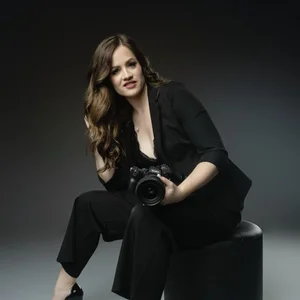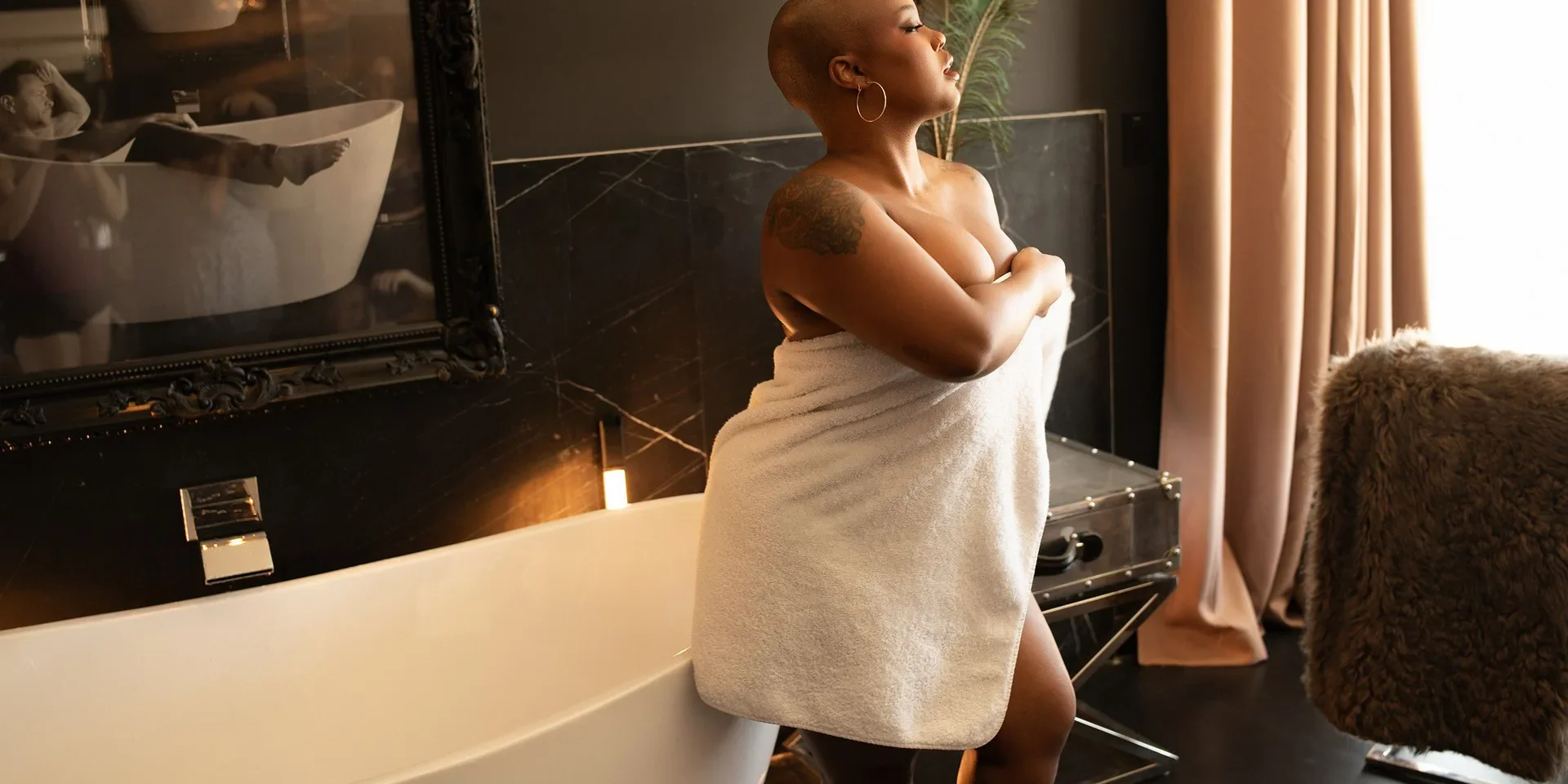
Woman in a relaxed portrait session beside a softly lit window
When weighing boudoir photography vs maternity photography, start with the story you want the pictures to tell. Maternity portraits focus on pregnancy and the anticipation of welcoming a baby. Boudoir portraits center you, your style, and a personal moment or milestone. The looks can overlap, but the purpose and planning are different. If you are considering a guided boudoir experience, schedule a call to talk through your vision.
What is the main difference?
Maternity photography is organized around pregnancy. A session may document a growing belly, the anticipation of meeting a baby, or the connection between a parent and family. Some clients prefer solo portraits; others want a partner or children included. The goal is to preserve a particular chapter of family life.
Boudoir photography is organized around the person being photographed. It can mark a birthday, wedding, personal transition, or a decision to make time for yourself. Pregnancy might be part of the context, but it does not have to be the whole story. The images can focus on your character, personal style, or the feeling you want to remember.
Neither category is defined by one required outfit or lighting style. Maternity photographs can be intimate and softly lit. Boudoir photographs can use a robe, a favorite shirt, or another look that feels personal. Instead of deciding from a label alone, ask what you want to see when you look back at the finished photographs.
Try completing this sentence: “I want these photographs to remind me of…” If you finish with pregnancy, anticipation, or becoming a parent, a maternity photographer may be the clearest fit. If you finish with your own identity, confidence, or a milestone you are celebrating, boudoir may be worth exploring. You can also have more than one answer, and you do not have to fit neatly into one category.
What do you want to remember about this season?
It helps to write down your reason before choosing a date, outfit, or pose. A clear purpose keeps planning focused and gives a photographer something specific to respond to. It can also reveal whether the photographs are mainly about pregnancy, your personal experience, or a combination.
A maternity session may suit you if you hope to remember:
- How pregnancy looked at a particular point in time.
- The anticipation you felt before welcoming a baby.
- A partner or family getting ready for a change together.
- A chapter that feels like it is moving quickly.
A boudoir session may suit you if you hope to:
- Celebrate a personal milestone, whether or not it is connected to pregnancy.
- Have a guided portrait experience with time set aside for you.
- Create photographs that reflect your own taste and sense of self.
- Mark a transition without making the images mainly about an event or another person.
These are starting points, not rules. You might want pregnancy to be visible while keeping the session quiet and personal. You might want a few photographs with a partner and others on your own. Describe the idea plainly and ask whether the photographer offers that kind of session. Do not assume that every studio offers both services or can combine them in the same appointment.
How do the goals compare?
This comparison is a useful way to organize your questions. It describes common intentions, not a promise about every photographer’s process.
| Planning area | Maternity photography | Boudoir photography |
|---|---|---|
| Main story | Pregnancy, anticipation, and possibly family connection | The individual, her style, or a personal milestone |
| Timing | Chosen around pregnancy, comfort, and personal circumstances | Chosen around a milestone, calendar, or date that matters |
| Who may be included | May include a partner or family if the photographer offers it | Often centered on the individual; ask about other options |
| Wardrobe planning | May emphasize pregnancy, family coordination, or familiar clothing | May include personal garments and styling choices that suit you |
| Questions to prioritize | Timing, comfort, family participation, and wardrobe | Guidance, privacy, artwork, and the ordering process |
| First step | Find a photographer whose stated services include maternity work | Find a boudoir photographer whose style and process fit your idea |
Use the table to decide what to ask next, not to assume that a category label tells you everything. A photographer may have a distinct approach or may not offer the service you have in mind. Confirm the available session, who can participate, and what the process includes before you reserve.
How does timing differ?
Maternity photography is linked to pregnancy timing. You and the photographer choose a point when the pregnancy is visible in the way you want, while considering comfort, energy, schedule, and your individual circumstances. There is no single right week for everyone. Ask a maternity photographer for their recommendation and explain any dates or comfort needs that matter to you.
Boudoir photography is not tied to a pregnancy calendar. You can plan around a wedding, birthday, personal milestone, or a date that simply feels right. If you need finished artwork for an occasion, work backward from that date. Tabetha Rae Photography recommends booking six to eight weeks before finished artwork is needed. Availability and product timing can vary, so ask about your own deadline rather than treating an estimate as a promise.
If pregnancy is part of your boudoir idea, timing is personal. Think about whether you want pregnancy to be visible, how you feel about being photographed, and what timing works for you. A planning conversation can clarify what the photographer offers. You should not feel pressured into choosing a date that does not feel comfortable.
A practical planning sequence
- Name the story. Write one or two sentences about what you hope the photographs will represent.
- Mark fixed dates. Note an event, expected arrival, or gift date that affects your plans.
- Ask about availability. Find out how far ahead the photographer books and how much flexibility is possible.
- Allow time to prepare. Include time for a wardrobe conversation and any questions about comfort or participation.
- Confirm the artwork schedule. Ask when you will see photographs, when choices are due, and how long products currently take.
This sequence helps avoid choosing a shoot date without understanding what needs to happen before and after it. If the date is flexible, say so. If it is fixed, share it early so the photographer can explain whether the timeline is realistic.
How might styling and the session feel different?
Maternity styling often draws attention to pregnancy or family connection. Someone might choose fitted clothing, flowing fabric, a dress, or everyday pieces that feel personal. A partner or child may coordinate colors without matching exactly. Some people want a quiet portrait; others include a meaningful item or a family member. Look at examples and ask what the photographer can accommodate.
Boudoir styling can include a range of personal looks. You might bring lingerie, a bodysuit, a robe, a shirt, or another outfit that feels like you. You do not need to arrive with a perfect wardrobe or copy another person’s photographs. Start with what you like and ask how the photographer can help shape the session around it.
At Tabetha Rae Photography, the described boudoir experience includes professional hair and makeup, wardrobe discussion, and guided posing. The studio is a natural-light in-home studio in Cabot, Arkansas, serving Central Arkansas, and plans one session per day. These are details of this studio’s boudoir process, not assumptions about every photographer. Ask any photographer about the setting, preparation, team, and what is included.
Guided posing can be useful if you have never had this kind of portrait session. You do not need to arrive knowing how to pose. Ask how direction works, whether you can share preferences or boundaries ahead of time, and what happens if you want to pause or change direction. Clear answers make the experience easier to picture.
Which session feels more comfortable?
Comfort is personal. One person may feel most at ease in a maternity session with a partner nearby. Another may prefer a one-to-one portrait experience. Someone else may enjoy a guided, slower-paced boudoir session. There is no universal answer, and you do not need to justify your preference.
Consider these questions before contacting a photographer:
- Do I want the photographs to focus on pregnancy, or on me as a whole person in this season?
- Would I like a partner or family included, or would I rather be photographed alone?
- What clothing would let me feel like myself?
- Would clear posing direction help, or do I prefer a more candid approach?
- What would I want to happen if I need a pause or want to adjust the plan?
Then ask the photographer to make the answers concrete. How is the session paced? When can you discuss preferences? Can you ask for a pause? What options do you have for choosing images and products? A clear explanation is more useful than a broad promise that you will feel confident.
Privacy deserves a direct conversation, especially when images feel personal. Ask how image sharing works and what choices you have. Tabetha Rae Photography describes choices around promotional image release, including an option to keep images private. Read the consent form and make a choice that reflects your preferences. Do not assume that images may be shared simply because a session took place.
What should you ask before booking?
A portfolio can show whether the photographer’s work fits your taste, but it cannot answer every practical question. Ask about the full process, from planning through selecting and receiving artwork. If anything feels unclear, ask for the answer in plain language before reserving.
Questions for a maternity photographer
- When do you recommend scheduling, and how flexible is the date?
- Can a partner or family member be included?
- What wardrobe guidance do you provide?
- What happens if comfort or scheduling needs change?
- How do I choose and receive the finished photographs?
- What is your image-sharing policy?
Questions for a boudoir photographer
- What does the session or creation fee cover, and what is purchased separately?
- What styling, wardrobe guidance, and posing support are part of the experience?
- How and when will I see the edited photographs?
- What albums, artwork, or digital images can I choose?
- What is the expected schedule for ordering and receiving products?
- How do I control whether photographs are used for promotion?
At Tabetha Rae Photography, the session or creation fee reserves a planned, styled, guided shoot and a later ordering appointment. Images and artwork are purchased separately, so paying the session fee does not include photographs. Published information describes albums starting at $1,800, collections starting at $2,500, and a prepayment plan toward at least $1,800. Ask for current investment details and how those amounts apply. The available information does not establish whether the session fee counts toward that minimum, so do not treat the figures as an all-in price.
Being clear about costs is part of choosing the right experience. Ask what you pay to reserve, what you might choose later, and what is optional. If a particular product matters to you, ask about that product. Compare the whole process rather than relying on one number. A session fee on its own does not explain what your selected photographs or artwork will cost.
Can you combine maternity and boudoir ideas?
You may be drawn to parts of both. Perhaps you want pregnancy to be part of the story, but you also want portraits that feel personal and centered on you. That does not mean every photographer offers a combined session, or that a particular studio can accommodate every concept. Explain your idea and ask whether it fits the photographer’s work and process.
Be specific about the result you want. You might say, “I want to remember this pregnancy, but I would like the session to feel quiet and personal rather than like a family portrait.” Or, “I want a few photographs with my partner, and I also want images just for me.” Clear language gives the photographer a better chance to explain what they can offer and whether the idea fits their services.
It is also fine not to combine ideas. You might choose maternity photographs now and a boudoir session another time. Or you may decide that the personal portrait experience matters most, with pregnancy as part of the background. You do not have to capture every important part of a season in one appointment.
How do you choose the right photographer?
Start by looking at photographs that connect with your taste, not only images that are popular. Notice lighting, posing, expression, clothing, and whether the people shown seem at ease. For maternity photographs, seek examples that reflect the pregnancy story and family involvement you want. For boudoir, look for styling and direction that feel right to you.
Next, check the experience and policies. Does the photographer explain what is included? Is the process clear? Can you ask questions before booking? Are privacy choices stated plainly? Do costs make sense to you? A portfolio matters, but it cannot answer these practical questions.
Finally, notice how the conversation feels. You should be able to describe what you want without being pushed toward a product or style that does not suit you. Ask about anything uncertain. A thoughtful photographer will explain their approach and be honest if your idea is outside what they offer.
Tabetha Rae Photography focuses on boudoir and bridal portraits, rather than maternity photography. If you want pregnancy-centered images, seek a photographer whose stated services include maternity sessions. If you are drawn to a personal boudoir experience during a meaningful season, a consultation can help you decide whether that approach matches your idea. You can explore the studio’s boudoir photography experience and browse the portrait planning articles as you prepare questions.
Make a mood board that helps you decide
A small mood board can turn a vague idea into a useful conversation. It does not need to be polished or full of perfect examples. Save a few images, colors, fabric ideas, or notes that show what you like. Add a short note explaining why each caught your attention. You may like the relaxed expression, window light, simple outfit, or the way the subject looks comfortable rather than posed. That explanation is often more helpful than asking for an exact copy of a reference.
Sort references into two groups: story and look. Story references might show a pregnancy milestone, family connection, or private moment of self-celebration. Look references might show a palette, quiet setting, or wardrobe feeling. Keeping these separate can help you see whether your main interest is maternity photography, boudoir photography, or a style that could appear in either.
Use other people’s photographs respectfully. Describe what appeals to you rather than expecting a photographer to copy another client’s image. You can say, “I like the soft light and natural expression,” or, “I want something calm and personal.” The photographer can explain how that feeling might translate into their own approach.
Write down what you do not want, too. Perhaps you prefer not to include a partner, or you do not want a heavily styled look. Maybe you do not want pregnancy to be the entire focus, or you want every image tied to that chapter. A few boundaries give you and the photographer a clearer starting point. You can revise them as the conversation develops.
Think through wardrobe without overplanning
Wardrobe can feel like the biggest preparation task, but it does not need to be solved before you speak with a photographer. Start with comfort and meaning. What would you wear if you wanted to feel like yourself? Is there a garment connected to the story you want to remember? Would you rather choose something familiar or try a more styled look? These questions are more useful than shopping because you think you are supposed to.
For a maternity session, some people choose clothes that make pregnancy visible, while others choose an outfit that feels like their usual style. A partner or family member may coordinate colors without wearing matching clothes. If you include a child, consider what will be comfortable for them. Ask about wardrobe guidance and what works well in the setting. Do not assume a studio provides garments unless it says so.
For boudoir, consider a few textures or silhouettes if that fits your taste, but keep the selection manageable. A favorite shirt, robe, or personal piece can feel more natural than something chosen only because it appeared in a reference image. Ask what wardrobe planning is included and whether any closet access has conditions. At Tabetha Rae Photography, closet access and extra outfits are conditional on collection prepayment, rather than being included with every session fee. Confirm current details directly before planning around a specific option.
Wardrobe is a tool for making images that feel like you, not a test of whether you are ready. If a look becomes uncomfortable, discuss alternatives. The best plan is one you can enjoy being photographed in, not one that only looks impressive on a hanger.
Plan for the reveal and finished photographs
People often focus on the shoot and forget to ask what happens afterward. The selection and delivery process matters, especially if the photographs are tied to a date. Ask when and how you will see images, how you will choose favorites, and which formats are available. If you want an album, find out when selections must be made and what production period to expect.
In the Tabetha Rae Photography process, the client returns for an ordering appointment roughly within a week to view edited color and black-and-white images and make selections. Albums, collections, and other artwork are separate purchases. Discuss current products and costs before booking. Paid digital purchases are generally delivered the same day or within 48 hours after full payment, subject to studio absence. Physical artwork commonly takes 15 to 20 days, while some custom products may take up to five weeks. These are estimates, not promised dates.
If you are comparing other photographers, ask equivalent questions even when their process differs. Some may offer a package with a defined set of images; others may charge a session fee followed by a separate purchase appointment. Neither structure can be judged from the session fee alone. Compare what each amount covers, what you may choose later, and the total you would be comfortable spending. Ask for clarification before reserving if the answer is not clear.
Keep the intended use in mind. A private album, wall portrait, gift, and set of digital files each bring different practical considerations. You do not have to decide every detail at the beginning, but you should know enough to plan for cost and timing. If a gift is part of your idea, ask whether the finished product can arrive before the occasion.
Give yourself room to change your mind
Your preferences can shift as you plan. You may begin thinking about a pregnancy-focused session and discover that what matters most is making a portrait for yourself. Or you may imagine a solo session and later decide you want a few photographs with your partner. A conversation can clarify what a photographer can accommodate, but you may adjust your idea or decide not to proceed.
Before booking, ask how decisions are made on the day. Can you talk through the plan before photographs begin? How do you communicate if a pose or outfit does not feel right? What happens if you want to pause? Clear answers help you know what to expect and whether the photographer’s approach respects your preferences.
Flexibility does not mean every request can be met. A photographer may have limits based on services, schedule, studio, or products. Those limits should be explained plainly so you can decide whether the experience fits. If the photographer does not offer maternity sessions, for example, do not assume a boudoir session is an interchangeable substitute.
Be clear about image sharing. Ask what release options exist, whether a choice can be changed before a particular date, and how a private selection is recorded. Read the applicable form before signing it. Understand which images may be used, for what purpose, and whether choosing privacy affects the session or products available.
Use a decision checklist before you book
When you have compared examples and talked through practical details, use this checklist to test your choice. You do not need every answer to be final, but the main points should feel clear.
- State the purpose. Finish this sentence: “I want these photographs to help me remember…” If the answer is mainly pregnancy and anticipation, start with maternity photographers. If it is mainly a personal milestone or a portrait experience for you, explore boudoir.
- Choose who belongs in the story. Decide whether you want to be photographed alone, with a partner, or with family. Then confirm that the photographer offers that arrangement.
- Check timing. Work backward from any event or artwork deadline, then ask about availability and the photographer’s recommended lead time.
- Talk about comfort. Ask how posing direction works, how you can request a pause, and how changes are handled.
- Understand the full purchase. Separate the session fee from image and artwork costs. Ask what is optional, what is required, and when you make those decisions.
- Confirm privacy choices. Understand whether images may be shared and how you can choose or decline promotional use.
- Trust the fit. Choose a photographer whose images, communication, and stated services make sense for your idea.
This checklist keeps the choice rooted in what you want rather than what you think a session is supposed to look like. If any answer is unclear, pause and ask before reserving.
Frequently asked questions about boudoir and maternity photography
Is boudoir photography the same as maternity photography?
No. Maternity photography is planned around pregnancy and the story of expecting a baby. Boudoir photography centers the person being photographed and her own style, self-celebration, or milestone. Visual styles may overlap, but purpose and direction differ.
Can I have a boudoir session while pregnant?
That depends on your comfort, timing, and the photographer’s services and policies. Ask directly about the experience and explain what you hope to create. You do not need to book at a time that does not feel right for you.
Should I include my partner?
That is your choice and depends on the images you want. Maternity photographs may include a partner or family, while boudoir can be centered on the individual. Some studios offer couples sessions. Ask what the photographer provides and decide what fits your story.
Do I need to know how to pose?
No. Some portrait experiences include direction. Ask how the photographer guides posing and whether you can discuss preferences in advance. Tabetha Rae Photography describes guided posing as part of its boudoir experience.
How far ahead should I plan?
Plan around your deadline and ask about availability and product estimates. Tabetha Rae Photography recommends booking six to eight weeks before finished artwork is needed. That is planning guidance, not a guaranteed delivery date.
Choose the story you want to keep
When the choice still feels unclear, return to the central question: what do you want to remember? If the answer is pregnancy and the anticipation of welcoming a baby, seek a maternity photographer whose work fits that vision. If the answer is a personal portrait experience focused on you, boudoir may be the better direction. Take time to ask questions, review the process, and choose the session that feels like your own.
Schedule a call about a boudoir session
You can make this decision at your own pace and in a way that feels true to you.