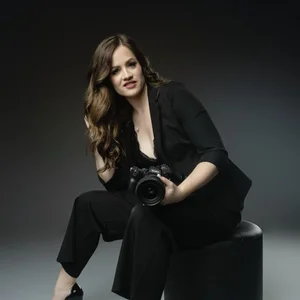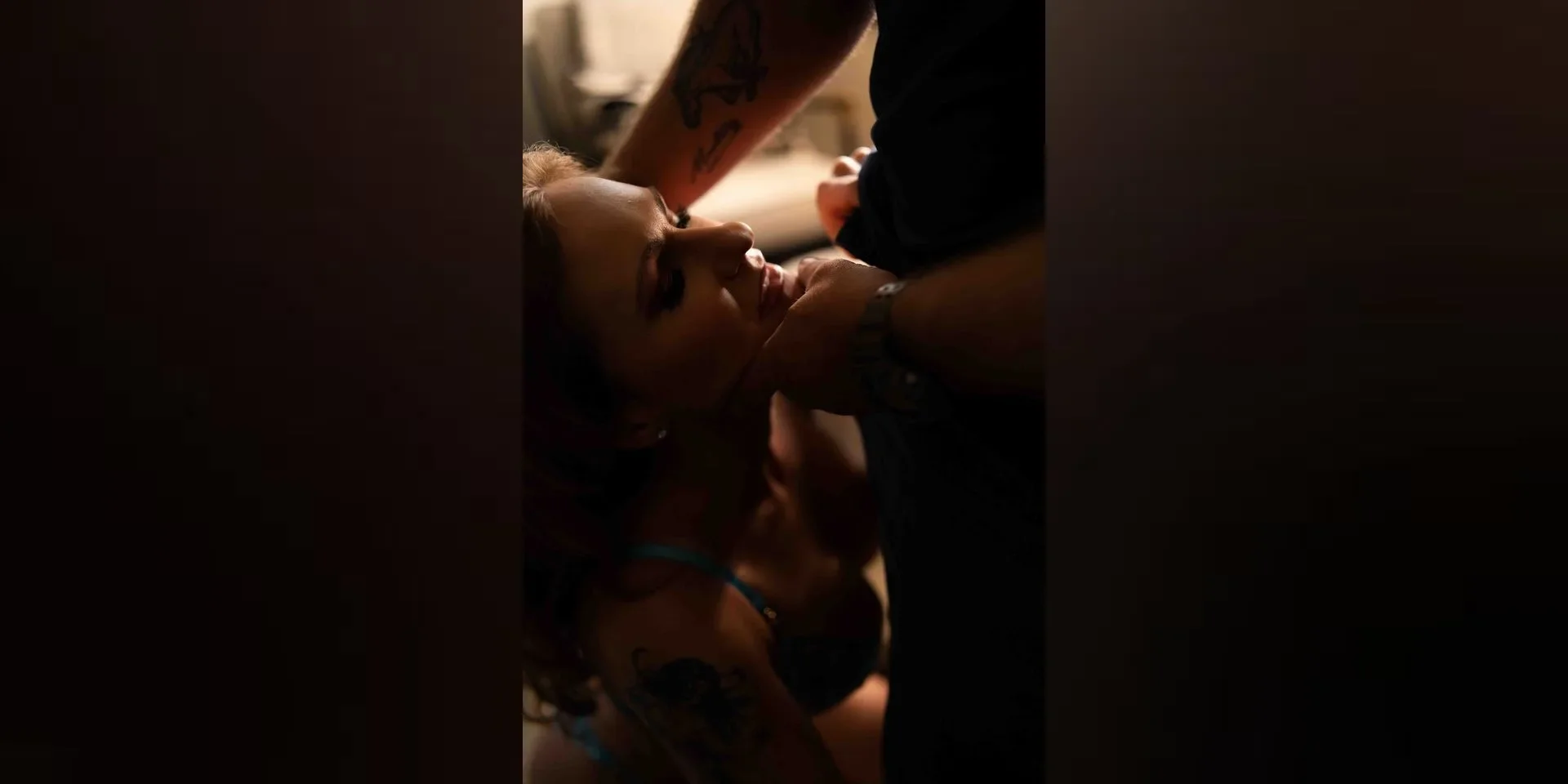
Boudoir photography vs couples photography is not simply a choice between being photographed alone or with a partner. The more useful question is what you want the photographs to express, who should take part in the experience, and how you want to make decisions along the way. An individual boudoir session centers on you. A couples session brings two people into the planning and the photographs. Both can be personal, guided, and thoughtfully designed.
Schedule a call to talk through your session
At Tabetha Rae Photography, individual and couples sessions are explicitly offered. A no-pressure consultation gives you space to discuss your vision, the experience, pricing, products, privacy, and next steps. You do not need to decide every detail before that conversation. If you are still comparing options, start with the experience you want to have, not with a label.
What is the main difference between boudoir photography and couples photography?
An individual boudoir session gives one person the focus. The styling, direction, and image choices are built around that person’s preferences. You might mark a milestone, celebrate a personal transition, prepare for a wedding, or create photographs for yourself. A partner may be part of your reason for booking, but the session does not have to be a gift project. It can be something you choose for your own sense of self and personal history.
A couples photography experience brings two people into the frame and the planning. The photographs can show connection and the way you relate to one another. Both people should have a voice in wardrobe, comfort, boundaries, and goals. Even if one person first suggested the session, it works best when the other has room to ask questions and share preferences.
“Couples” describes who is photographed together. “Boudoir” describes a style and purpose of intimate portraiture. The ideas can overlap. A couples boudoir session is still shared photography, with an intimate portrait focus. Terminology can vary from one photographer to another, so ask what the offered session includes rather than assuming the name tells you everything.
The difference also affects the pace of the day. With one subject, the photographer can move through decisions according to one person’s energy and comfort. With two subjects, the plan needs to leave room for shared decisions, interaction, and individual moments. Neither format is automatically more meaningful. The right choice is the one that supports your reason for booking.
How does the purpose shape the experience?
Start with what you want the finished photographs to mean. You do not need a perfect explanation. A few honest thoughts can help shape a useful consultation and a more personal plan.
- Consider an individual session if you want the photographs to focus on your expression, style, and sense of self. It may be a keepsake for you or a way to mark a personal milestone.
- Consider a couples session if you want images of the two of you together and both people are comfortable taking part.
- Discuss both formats if you are uncertain. Describe the photographs you imagine, then ask what each option would involve.
Separate your reason for booking from the audience for the images. You might choose a couples session to remember an anniversary, then create an album as a gift. You might book an individual session before your wedding and later give your partner a keepsake, while still treating the experience as something you are doing for yourself. Those motivations can coexist.
You may also be celebrating a change that has nothing to do with a relationship. A session can mark a birthday, a new chapter, motherhood, a personal goal, or simply the decision to make time for yourself. The individual format leaves the story centered on you. A couples format makes the relationship part of the story without requiring the photographs to represent every part of it.
Think about how you would feel during the session. Would you prefer having the camera and direction focused on you alone? Would your partner’s presence help you relax, or make you more self-conscious? Would you like some photographs together and some of each person individually? There is no universal answer. The useful choice is the one that fits your comfort, boundaries, and goal.
Who participates in planning?
With an individual session, you can shape the plan around your tastes. Think about the mood you like, the clothing you feel comfortable wearing, and whether you have an occasion in mind. You can bring questions about privacy, image use, and finished products to the consultation. You do not need every detail settled in advance. The purpose of planning is to give the photographer helpful direction, not to make you create a complete production plan by yourself.
With a couples session, planning includes both people. Talk beforehand about what feels comfortable, what you prefer not to do, and what you hope the photographs will capture. One person may have more experience in front of a camera than the other. Mentioning that early can help the photographer plan a comfortable pace instead of expecting anyone to conceal their nerves.
A practical planning conversation can cover:
- Why do you want photographs now?
- Are both participants comfortable with the format?
- What mood or setting feels right?
- What clothing or personal details would help you feel at ease?
- What are your boundaries around posing and physical closeness?
- Who may see the photographs, and what are your sharing preferences?
- Do you picture an album, wall art, or another finished piece?
- Would you like photographs of each person separately as well as photographs together?
These questions are not a test. They help the photographer understand what to plan and give you a chance to raise concerns before the session. If your preferences change, speak up. The aim is to make considered choices, not to follow a plan that no longer feels right.
For a couples session, agree that either person can pause the conversation or ask for an adjustment. That simple agreement can make it easier for the quieter or less experienced participant to speak. A shared session should not be shaped entirely by the person who books first or feels most confident.
How do participation and posing direction compare?
In an individual session, the photographer can give direction one person at a time. You may be guided through posture, hand placement, movement, or where to look. That can be useful if you have never had a portrait session or are unsure what to do in front of a camera. You remain part of the process. Ask for an adjustment if a direction feels uncomfortable or unlike you.
In a couples session, direction needs to work for two people together. You might be guided into a shared pose and then asked to shift your gaze, adjust posture, or interact naturally. It can take a little coordination, and that is normal. You do not need to arrive knowing how to pose as a pair. The photographer can explain where to stand, how to move, and when to hold a position.
Couples photographs do not have to show only one kind of connection. Some images may be quiet and close. Others may be playful, relaxed, or focused on separate expressions in the same frame. If you want variety, say so during planning. A clear conversation can help balance photographs that show the relationship with photographs that show each person’s individual presence.
Neither format requires you to perform a particular personality. Quiet, playful, affectionate, or reserved can all be starting points. If one person wants more structure and the other prefers a looser feel, mention that during planning. Guided posing can establish a comfortable rhythm while leaving room for the way you naturally connect.
Comfort also includes the ability to pause. You can ask for clarification, request a small change, or take a moment. For a shared session, agree that either person can speak up. The photographer’s job is to guide the process, while your job is to communicate what works for you. A pose that looks good on a planning board is not useful if it makes either person uncomfortable.
What changes in styling and wardrobe?
For an individual session, wardrobe can follow one person’s taste and comfort. Some people choose lingerie; others prefer a shirt, robe, or another look that feels personal. There is no single outfit that makes a session right. Start with clothing you feel comfortable wearing and that supports the photographs you hope to create.
For couples, coordinate without making outfits identical unless that is what you want. Consider how colors and textures work together and whether you want a polished, relaxed, or intimate mood. Comfort matters more than matching a trend. If one person is uncertain, familiar clothing can be a better starting point than a look that feels unfamiliar.
Coordination can be as simple as choosing tones that sit well together. You might prefer soft neutrals, darker colors, complementary textures, or a more casual combination. Bring the question to the consultation if you are unsure. The goal is not to make both people look exactly alike. It is to make the finished set feel intentional.
Professional hair and makeup are part of the described studio experience. Ask what is included in your specific session and which choices are available. Closet access and additional outfits are conditional on a collection prepayment, not automatically included with every session fee. Confirm current details before planning around wardrobe options.
Give yourselves time to prepare. Set aside possible outfits, try them on, and see whether anything needs adjusting. For a shared session, look at the combination together. A simple plan reduces last-minute decisions and lets you arrive focused on the experience. If you choose an individual session, you can make those decisions entirely around your own preferences.
How should privacy and image use factor in?
Privacy deserves a direct conversation, especially when photographs are personal. Ask how images are selected, who will see them, how finished work is delivered, and what choices you have about studio sharing. Booking a session does not by itself mean you have agreed to public use.
At Tabetha Rae Photography, promotional image use is tied to a signed model release, and clients have release choices. Ask how those choices work in the current process and whether a delayed release date is available. Read the release and make your preference clear before signing.
For a couples session, both people should understand and agree on image-sharing choices. One person’s comfort does not replace the other’s. Discuss where photographs might appear, if anywhere, and make sure each participant has a chance to ask questions before deciding. If one person is comfortable with sharing and the other is not, that difference needs to be respected.
Privacy also includes your own plans for the images. If an album is meant as a surprise, explain who should view the selections and how you want to handle the reveal appointment. If you intend the photographs for personal use, say so plainly. Specific conversations work better than assumptions.
Ask how the studio records your choice. A verbal conversation is useful, but written documentation can make expectations clearer when several people are involved. Before the session, confirm who may access the photographs during selection, what is shared with vendors when artwork is produced, and what permission is needed for any portfolio or promotional use.
What happens with image selection and artwork?
Understand the purchase process before booking. At this studio, the session or creation fee reserves a planned, styled, guided shoot and a later ordering appointment. Images, albums, collections, and other artwork are purchased separately. Paying the session fee does not mean photographs or a finished album are included.
For an individual session, you make image and artwork decisions based on what you want to keep. You might prefer a hand-bound album, a collection, or another product. For couples, both people may want input. Talk about priorities and spending comfort beforehand so the ordering appointment is not the first time you discuss what matters.
Published price anchors include a $500 individual session fee and a $600 couples session fee. Albums start at $1,800, and collections start at $2,500. A required prepayment plan is toward at least $1,800. The site does not make clear whether the session fee counts toward that minimum, so these figures are not a confirmed all-in total. Ask for current investment details and how the fee and prepayment plan work before reserving.
These figures describe separate pieces of the process, not a guaranteed final purchase. The session fee reserves the experience and ordering appointment. Artwork and selected images are decided later. Ask which details are current when you schedule, because a published starting point does not tell you which product will fit your plans.
Before the reveal, consider what matters most. Is there a particular image you would like printed? Would you prefer an album that tells a story from start to finish? Are you considering digital images, physical artwork, or both? You do not need to select a product in advance, but knowing your priorities can make the appointment more useful.
For two people, decide how you will handle different favorites. Each person can make a short list before the ordering appointment, then compare what overlaps. You may value different kinds of images, and that is normal. The conversation can focus on the story you want the finished artwork to tell rather than turning the selection into a contest.
How does the timing compare?
Timing is worth discussing whether you choose an individual or couples session. The studio recommends booking six to eight weeks before finished artwork is needed and describes scheduling up to 12 months ahead, subject to availability. These are planning guidelines, not a promise of a date. Mention your deadline early and confirm the current timeline.
A wedding date, anniversary, birthday, or gift reveal may make your deadline especially important. Build in time for the session, the ordering appointment, product decisions, production, and delivery. Physical artwork is made through professional labs, and delivery estimates can vary by product. Ask what timing applies to the item you are considering rather than relying on a general estimate.
Digital purchases are generally delivered the same day or within 48 hours after full payment, subject to studio absence. Physical artwork commonly takes 15 to 20 days, while some custom products can take up to five weeks. These are published estimates, not guarantees. Confirm the current expected schedule if your photographs are tied to a particular event.
Couples may also need more time to compare schedules and make decisions together. An individual session can sometimes be planned around one person’s calendar, while a couples session requires agreement from both participants. Neither is automatically easier. The important step is to discuss availability before choosing a date.
How can you compare the two options?
Use this comparison as a starting point, not a rule for every photographer.
| Decision | Individual boudoir | Couples photography |
|---|---|---|
| Participants | One person is the focus. | Two people share the frame and planning. |
| Planning voice | One person’s preferences guide the plan. | Both people should share preferences and boundaries. |
| Direction | Posing is guided for one subject. | Direction coordinates posture and interaction. |
| Wardrobe | Choices can follow one person’s style. | Choices can coordinate without being identical. |
| Privacy decisions | The subject sets sharing preferences. | Both participants should agree about image use. |
| Artwork choices | One person can choose what to keep. | Partners may want to agree on shared keepsakes and priorities. |
| Published session fee | $500 individual session fee. | $600 couples session fee. |
Use the comparison to identify what to ask next, not to reach a verdict too quickly. Some people know they want a solo experience. Others want to be photographed together. Some decide after hearing what the process involves and considering which format feels more comfortable.
Do not compare only the session fee. The studio describes a session or creation fee, separately purchased images and artwork, and a prepayment plan toward at least $1,800. Ask how those parts apply to the current offering. A lower starting fee elsewhere may describe a different process or include different products, so a simple number-to-number comparison may not tell you what you will receive.
What should you ask before booking?
A consultation lets you ask practical questions before you commit. Ask what the session includes, how the ordering appointment works, and what products are available. For a couples session, ask how both people take part in planning and what happens if either person needs a pause or change of direction.
You can bring the following list to a consultation:
- What does the current individual or couples session fee cover?
- Which images and artwork are purchased separately?
- How does the required prepayment plan work, and does the session fee count toward the stated minimum?
- What wardrobe support is available for the selected session?
- What hair and makeup details should be confirmed before the date?
- How much time should be set aside for the studio visit and later ordering appointment?
- How are posing direction and comfort preferences handled?
- How are image-sharing and release choices recorded?
- What delivery estimate applies to the artwork you are considering?
- What should you do if your deadline changes?
Also ask how privacy choices are recorded and what consent is needed for studio sharing. If you are considering an album as a surprise, discuss who can view selections and how the reveal will be handled. If you want the photographs kept for personal use, state that clearly and ask how to document your preference.
If your partner is not sure about participating, do not treat uncertainty as a detail to solve after booking. Invite questions and give them room to decide. The consultation can include both people, and the final plan can reflect what each person is comfortable doing. A shared experience is stronger when participation is willing and informed.
If you are leaning toward an individual session, ask whether you can include the personal details that matter to you, how much direction is provided, and how the photographer helps someone who feels nervous. You do not need previous experience. You do need a clear way to communicate your preferences.
For either format, ask what happens at the reveal. Learn when you will see the edited photographs, how selections are made, and how the album or other artwork is customized. Understanding the sequence helps you plan your calendar and your expectations.
How can you prepare for an individual session?
Begin with three short lists: what you want to feel, what you want to wear, and what you want to remember. The lists do not need to sound polished. “Calm,” “confident,” “soft,” or “like myself” can be enough to start a conversation. You can also identify images or poses you do not want. Knowing what to leave out is just as useful as collecting inspiration.
Choose clothing that lets you move and that feels consistent with your style. Bring possible options instead of assuming you must select one outfit weeks in advance. If you are considering access to the client closet or additional outfit changes, confirm the current conditions, because those options are conditional on collection prepayment.
Think about the people who may see the finished photographs. If the images are for you, say that. If you might share them with a partner or family member, decide what level of sharing feels right. You can keep the purpose personal even when someone else eventually receives an album.
Finally, write down your questions. Nerves can make it hard to remember them during a call. A short list about posing, privacy, products, and timing can make the conversation clearer and help you decide without pressure.
How can you prepare for a couples session?
Talk together before the consultation. Each person can answer the same questions privately, then compare notes: What do we want the photographs to show? What feels comfortable? What should we avoid? Who might see the images? What kind of finished piece would we enjoy having?
Do not assume that shared photographs require identical comfort levels. One person may want more close interaction, while the other may prefer a wider range of individual portraits. Tell the photographer. A thoughtful plan can include images together and photographs of each person separately, when that fits the offered session.
Choose wardrobe as a pair, but keep individual preferences visible. A coordinated look can use color, texture, or mood without making either person wear something they would not normally choose. Try the clothing before the session and bring a backup option if you are unsure.
Agree on a simple pause signal or phrase. It can be as ordinary as “one minute” or “can we adjust this?” The point is not to make the session formal. It is to make communication easy when the camera is on and both people are concentrating on what to do.
Which experience is right for your goal?
Choose an individual boudoir session if you want the experience and photographs to center on you. Choose a couples session if you want to create images together and both people feel comfortable participating. If you are torn, begin with the outcome you hope for, then discuss planning, posing, privacy, timing, and artwork choices.
There is also no need to force a decision based on what someone else calls the “usual” choice. A wedding does not automatically mean you need photographs for a partner. A relationship does not automatically mean you need to be photographed together. Your reason for booking is enough when it is clear to you.
For readers who want to review the studio’s broader approach before scheduling, you can visit Tabetha Rae Photography and use the photography blog to continue exploring ideas. These links are for information, not a self-serve checkout.
Schedule a no-pressure consultation
You do not have to decide everything before you reach out. A conversation can help you understand the options and choose an experience that feels personal, comfortable, and clear.