Boudoir photography vs pinup photography is not a choice between one correct look and another. Each style has a different visual history and often uses different choices in mood, styling, and posing. Both can also be adapted to the person in front of the camera. Understanding those differences can help you describe what you like, what you want to avoid, and how you want your portraits to feel.
At their simplest, boudoir portraits often feel personal, intimate, and centered on the subject’s own experience. Pinup portraits often draw on a more theatrical, playful visual language, with deliberate styling and a clear pose. Those are tendencies, not rules. You can borrow details from either tradition, combine them, or describe the images you want without choosing a category at all.
What is the simplest difference between boudoir and pinup photography?
Boudoir is commonly used for portraits that feel personal and self-directed. The setting may suggest a bedroom or private space, though it does not have to. The mood can be quiet, confident, soft, bold, or somewhere between those points. A useful question is, “How do I want to see myself in these photographs?” The answer can guide the light, framing, expression, and pace of the session.
Pinup photography draws from a recognizable portrait tradition associated with stylized poses, expressive gestures, considered hair and wardrobe, and a playful sense of presentation. The image may feel like a scene or a character moment. A prop, a strong color choice, or a direct pose can help create that impression. It does not have to copy one decade or use a particular costume.
Neither description sets a quality scale. Boudoir does not have to be quiet or serious, and pinup does not have to be exaggerated. A pinup-inspired pose can feel tender, while a boudoir portrait can have vivid styling and a theatrical mood. Labels are a starting point. The individual choices make the photographs specific to you.
How did these visual traditions develop?
Pinup imagery has a long popular visual history. Illustrations and photographs often presented a confidently posed figure as the focus of a polished image. The look has changed across generations, but many contemporary interpretations retain a sense of performance: a pose with intention, a carefully considered expression, a clear silhouette, or a playful interaction with a prop. A modern session can reference that history without trying to reproduce a period image exactly.
Boudoir, as people use the term for portrait photography today, points more toward private portraiture and a personal setting. The label may evoke a bedroom, but the image does not need a bed, a particular outfit, or a specific level of reveal. People choose many kinds of clothing, including a robe, a shirt, a dress, or a look that marks a meaningful moment. Some sessions are planned around a milestone or partner gift; others are simply a personal keepsake.
These histories are useful as visual starting points, not rules about what someone should wear or how they should act. A photographer might make a pinup-inspired image with a modern palette and an understated pose. Another might create boudoir portraits with vivid styling and a direct expression. When you look at examples, notice the choices that create the feeling rather than assuming every image under a label must look the same.
How does the mood of each style tend to differ?
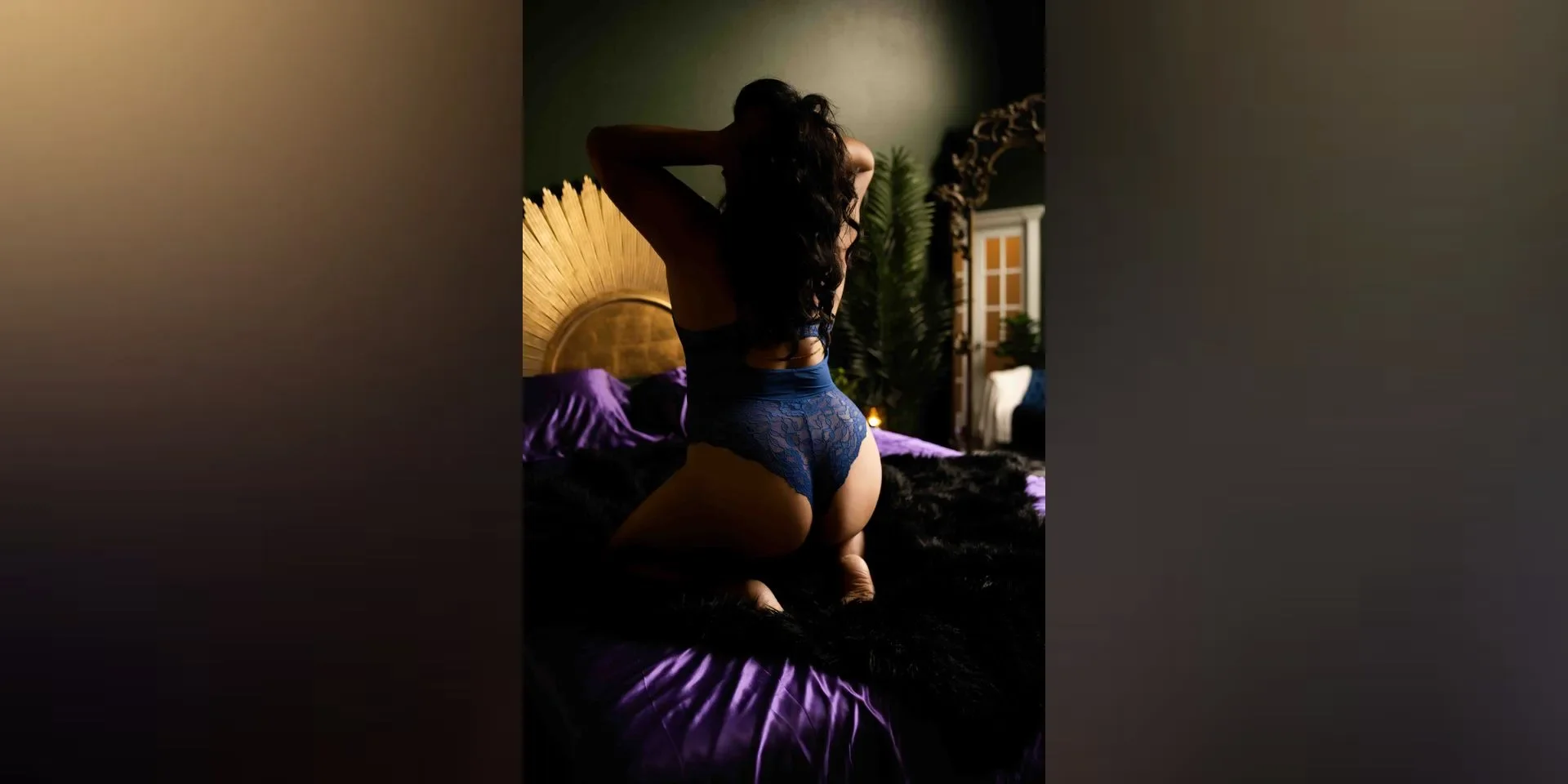
Boudoir photographs often leave space for a range of moods. A relaxed image might use window light, an unhurried pose, and a thoughtful expression. A stronger portrait might use a direct gaze, a clean composition, or a more dramatic play of light and shadow. The common thread is not a particular emotion. It is that the image is meant to feel connected to the person being photographed.
Pinup portraits often have a more outward-facing, staged quality. The subject may look directly at the camera, interact with a prop, or hold a pose that feels deliberately composed. The mood might be cheerful, mischievous, elegant, bold, or playful. A photographer can dial that theatrical quality up or down. It does not mean you have to perform a personality that is not yours.
Think about how you want to feel when you look at the finished photographs. Do you want a calm reminder of a season in your life? Do you want a spirited portrait that makes you smile? Are you drawn to both? Those answers help a photographer make choices about light, expression, framing, and pacing. You can also name what you do not want. “Playful but not over the top” or “soft, but not overly posed” gives more useful direction than a broad label alone.
What changes in styling and wardrobe?
Wardrobe can be simple or carefully constructed in either style. For a personal boudoir look, some people choose a favorite set, a flowing layer, a bodysuit, a button-down shirt, or an outfit that marks a meaningful moment. Others prefer an elegant dress or a minimal, neutral look. The point is not to follow a checklist. Choose pieces that fit the feeling you want and that you can move in comfortably.
Pinup-inspired styling may add more visible design cues. That could mean a defined color story, a particular hairstyle, a structured silhouette, a playful accessory, or a prop that helps build a scene. You can make those references subtle. One detail, such as a red accent or a vintage-inspired hair shape, may be enough to suggest a direction without turning the session into a costume exercise.
Before a consultation, gather a few examples of outfits or textures you like. Include everyday pieces as well as more styled ideas. Then ask how each option may photograph, whether it suits the planned lighting and posing, and whether there is time to work with more than one look. Do not buy a complete wardrobe simply because a style name seems to require it. A photographer can help you sort what you already own from what would add something meaningful.
Also discuss fit and movement. A piece may look beautiful on a hanger but shift when you sit, stretch, or turn. Bring clothing that lets you breathe and change position without constant adjustment. If you are unsure, ask whether you can share a few outfit photographs ahead of time or talk through options during planning. The goal is to make wardrobe serve the portrait, not make you spend the session worrying about it.
How are posing and direction different?
Boudoir posing can be guided and deliberate while still leaving room for natural movement. A photographer may suggest how to turn your shoulders, shift your weight, place a hand, or look toward the light. Small adjustments can change the line of a pose and the mood of a photograph. You do not need to arrive knowing how to pose. It is reasonable to ask how much direction the photographer gives and whether they demonstrate or explain a pose before you try it.
Pinup direction may place more emphasis on a clear, finished shape. The pose can be held with intention, and the photographer may pay close attention to hands, angles, expression, and how a prop is used. That structure can be part of the fun, especially if you enjoy building a scene. It can also be kept simple, with the photographer guiding one choice at a time.
In either style, direction should feel collaborative. You can ask for a pause, say a pose does not feel right, or request a different version. A photographer can offer guidance without expecting you to imitate a reference exactly. Ask how they help someone who feels new to being photographed. Their answer can tell you whether their approach is patient and clear.
If you have physical preferences that affect movement, mention them before the session. You do not need to provide a long explanation. A straightforward note about poses or positions you would rather avoid helps your photographer plan. The final work can still feel polished without asking you to do anything awkward or outside your boundaries.
Who leads the creative direction?
The words “boudoir” and “pinup” do not determine who makes the decisions. In some sessions, the photographer arrives with a developed concept and directs most of the details. In others, the client brings a clear vision, and the photographer helps make it work in camera. Many sessions are a collaboration, with the photographer bringing technical experience and the client guiding personal meaning and boundaries.
For a more personal portrait, you might start with how you want the images to feel, what you want to remember, and which parts of yourself you want to see reflected. For a pinup-inspired portrait, you might start with a mood, a color, an era, or a playful scene. Neither approach has to be more important. Even a highly styled concept should leave room for your preferences.
Bring your ideas in a way that makes them easy to discuss. A small mood board can include a few references, with a note about what you like in each one: the light, the pose, the color, the expression, or the styling. That helps keep a reference from being treated as an instruction to copy every detail. Tell the photographer which parts are inspiration and which parts are essential to you.
It is also helpful to ask what the photographer will decide on the day. Who chooses the poses? Can you review the general direction as you go? How are changes handled if a look is not working? A consultation makes these expectations clearer before you feel pressure to commit to a particular concept.
Do you need to choose one style?
No. You can build a session around more than one influence. Perhaps you want the intimate feel of boudoir with a pinup-inspired hair detail. Perhaps you like a playful pose but prefer simple wardrobe. You can use a styled outfit for one part of the session and a more understated look for another, if the photographer’s process and timing allow. You can also decide that the terms are not useful to you and describe the images in plain language instead.
Mixing influences works best when you identify the main thread. A collection of unrelated references can make planning harder. Ask yourself what connects the images you saved. Is it the lighting, colors, expression, humor, or a particular kind of framing? Once you name that connection, your photographer can interpret it in a coherent way.
You do not have to settle the entire concept before your consultation. The conversation is a place to explore. You can say, “I like the confidence of pinup portraits, but I do not want a vintage costume,” or, “I want a personal portrait with one playful detail.” Those statements leave room for the photographer to suggest practical ways to achieve the result.
When combining styles, ask what will actually be different between the looks. A second outfit alone may not create a distinct visual direction. Changes in background, light, pose, accessories, or expression can also shift the feeling. Discuss what can fit comfortably into the session and what matters most if time is limited.
How can you tell which photographer fits your idea?
Look beyond a photographer’s labels and review the images themselves. Do the portraits show the mood you want? Are there examples with different wardrobe choices and expressions? Does the work feel consistent without making every person look identical? A portfolio can help you understand the photographer’s visual taste, but it cannot answer every question about the experience. Bring questions about how the photographer plans, directs, and adapts.
Ask for examples that are close to your intended direction. If you want a quiet, natural portrait, an elaborate pinup scene may not tell you whether the photographer can make that image. If you are drawn to playful styling, a portfolio full of softly lit portraits may not show how the photographer would approach a staged scene. It is fair to ask how they would interpret your idea and whether they can show relevant examples.
Pay attention to how the conversation feels. Do you have room to explain what matters? Does the photographer listen before suggesting a look? Are questions about privacy, wardrobe, and boundaries answered plainly? High-quality photographs matter, but you should also understand the process that leads to them. A consultation is a chance to see whether your ideas and the photographer’s approach are a good match.
For a session in Central Arkansas, Tabetha Rae Photography offers a guided boudoir experience in a natural-light in-home studio in Cabot. The experience is planned around the client, with professional hair and makeup, wardrobe discussion, guided posing, and a later image reveal and ordering appointment. The session fee covers the planned shoot and ordering appointment; finished images and artwork are purchased separately. Ask for current investment details and how they apply to the kind of session you have in mind.
What should you bring to a consultation?
You do not need a perfectly finished plan. A short list of preferences is more useful than trying to solve every creative question alone. Think about the reason you want the portraits, the mood you like, and what you want to avoid. If you are deciding between boudoir and pinup, explain what draws you to each rather than asking the photographer to choose a label for you.
Three words for the mood: for example, calm, playful, and polished.
A few visual references: note the one detail you like in each image.
Wardrobe ideas: list what you already own and anything you might want to add.
Preferences about direction: say whether you want step-by-step posing help or a looser approach.
Boundaries: identify any clothing, poses, props, or uses of images you do not want.
Your intended finished product: consider whether you imagine an album, wall art, digital images, or another format, then ask how ordering works.
These notes do not lock you into a plan. They help you begin a clear conversation. You can update your preferences after you hear what the photographer recommends. If you are planning around a wedding, birthday, anniversary, or other date, mention when you need the finished artwork. Leave enough time for planning, the session, image selection, and production. Ask for current timing guidance rather than assuming a product will arrive on a particular date.
What questions should you ask before booking?
A consultation should cover both the creative idea and the practical details. The exact answers vary by photographer, so ask about their current process instead of relying on assumptions drawn from an online style label. You can keep the discussion warm and straightforward while still asking direct questions.
How do you translate my references into a plan for the session?
How do you guide posing if I have never done a portrait session before?
Can I combine a personal boudoir mood with a few pinup-inspired details?
What wardrobe, backdrop, or prop options are available, and what should I bring?
How do you handle a pose or styling choice that does not feel right once we try it?
What happens after the session, and when do I choose the images and artwork?
Which costs are part of the session fee, and which images or products are purchased separately?
What privacy and image-sharing choices will I have?
How far in advance should I schedule if I need finished artwork by a certain date?
Listen for answers that are specific. A photographer should be able to describe the difference between the session itself and the products you may choose later. Ask for current prices and written details before making a decision. If an answer is unclear, it is reasonable to request clarification. Knowing how the process works can help you plan without guessing at the total or assuming a particular product is included.
How do privacy and image use fit into the decision?
Portraits can be personal, so privacy should be part of the conversation from the beginning. Ask who can see the photographs, how your selections are presented, and what choices you have about any use in a portfolio or marketing. Do not assume that booking automatically means a photographer can share your images publicly. Ask to review the release options and understand what you are agreeing to before signing.
Consider your own preferences, too. You may be comfortable with some images being shared and not others. You may want a delayed release date, or you may prefer not to authorize public use. Your decision should be made deliberately and should match the choices the photographer offers in writing. A style, outfit, or pose does not determine whether you have to share an image.
Privacy also relates to the experience itself. Ask how the studio handles appointments, who may be present, and how image selection works. A clear answer can help you feel prepared. If a particular arrangement matters to you, say so during the consultation rather than hoping it will be understood on the day.
How should you think about the finished photographs?
Imagine where and how you want to enjoy the images. An album lets you keep a set of photographs together in a physical form. A framed print or another wall piece can make one portrait part of a room. Digital images offer a different kind of flexibility. Each option has practical considerations, so ask to see the formats, learn what is included, and understand separate costs before deciding.
Do not assume that the session fee includes finished images. Some studios charge for the creation experience and sell selected photographs and artwork separately. At Tabetha Rae Photography, the process distinguishes the session and ordering appointment from the later purchase of images, albums, collections, and other artwork. Ask for the current investment guide so you can decide what fits your priorities and budget.
If the portraits are intended as a gift, consider the recipient without losing sight of your own reason for making them. A gift can be one purpose, but it does not need to be the only one. You might choose an album because it holds a story you want to keep, or select a single piece because it reminds you of a milestone. The images can matter to you whether or not anyone else sees them.
What if you feel unsure about being photographed?
Uncertainty does not mean you have to abandon the idea. Many people have little experience in front of a professional camera. You can ask how the photographer supports someone who feels nervous, how much posing guidance they provide, and whether you can start with a simple look before trying a more styled concept. The answer should explain a real process, not promise that every person will feel exactly the same way.
You can also make the plan smaller. Choose one outfit that feels familiar, one visual reference, and one mood you want to explore. You do not need elaborate props or a dramatic transformation to make a portrait session worthwhile. If you later feel ready to try another look, you can discuss that with the photographer and learn what is possible within the session.
Give yourself permission to change your mind. You can like a photograph in a mood board and decide the actual pose is not for you. You can arrive with a clear pinup idea and discover that a quieter portrait feels more natural, or the other way around. A collaborative session leaves room to adjust. Your preferences are part of the creative direction, not an obstacle to it.
Which style should you choose?
Choose the direction that best reflects what you want to remember, not the one that seems more impressive or more appropriate to someone else. If you want a personal portrait that feels close to your own story, start with boudoir language and describe the mood. If you love the polish, gesture, and playful presentation of pinup imagery, use those references. If both appeal to you, name the elements you want to combine.
There is no requirement to adopt a category. You can ask for soft light, a confident pose, a particular color, and a relaxed pace without calling the result anything. Clear preferences help a photographer understand your vision more than a label by itself. Bring examples, explain why they speak to you, and ask how the photographer would make them your own.
The right session is not defined by how closely it follows a tradition. It is defined by whether the creative plan, the experience, and the finished images make sense for you. A thoughtful consultation can turn a vague idea into a plan while keeping your choices at the center.
How can you turn inspiration into a practical plan?
Imagine that you have saved a portrait with a strong red color, a playful expression, and a vintage-inspired hairstyle. You might assume you need a fully themed pinup session, but those details can be separated. Tell the photographer that the color and expression matter most, while the vintage reference is optional. The plan might use a simple outfit with one distinctive accessory rather than a complete costume. That keeps the idea recognizable while making it personal.
Now imagine that you like the softness of a bedroom portrait but want the subject to look direct and confident. Explain that you are drawn to the intimate setting and gentle light, but want a pose with more energy. Your photographer can consider a closer frame, a stronger line through the shoulders, or a more direct gaze. You do not need to switch to a different category to ask for that feeling. Style names can help start the conversation, but visual choices make the photograph.
A short planning note can keep the consultation focused. You might write: “I want images that feel warm and self-assured. I like simple wardrobe, natural light, and a few expressive poses. I am curious about one playful detail, but I do not want a full character look.” That gives your photographer both direction and useful boundaries. It also makes space for suggestions you may not have considered.
Ask how the proposed plan will translate into the final images. If you are hoping for a quiet portrait, ask what light and framing might support that mood. If you want a more staged pinup feeling, ask what styling and direction would help create it. The answer does not need to be a technical lecture. It should make the photographer’s thinking understandable and give you a chance to say whether the idea feels right.
Finally, separate inspiration from expectation. A reference image is usually the result of a particular person, space, wardrobe, lighting, and moment. The purpose of sharing it is to communicate what you respond to, not to demand an exact copy. Your photographs will reflect your preferences and the creative decisions made during your session. That is what makes the resulting set yours, rather than a replica of someone else’s image.
How can you plan around the session and artwork?
Creative decisions are only one part of planning. Give yourself time to ask about the steps from consultation through the finished product. Tabetha Rae Photography describes a process that includes a planned, styled shoot and a later ordering appointment. The selected photographs, albums, collections, and other artwork are purchased separately. Understanding that distinction early helps you decide what you want to prioritize and what questions you still need answered.
Timing matters most when the portraits are connected to a date. If you hope to give an album at a wedding or anniversary, ask when to schedule and how much time to leave for selecting images and producing the artwork. The studio recommends booking six to eight weeks before finished artwork is needed and describes scheduling up to twelve months ahead, subject to availability. Treat those as planning guidance, not a delivery promise. Ask for current timing details for the product you have in mind.
It can help to decide your priorities before the reveal appointment. Are you hoping for one standout image, a sequence that tells a story, or a physical album? Would you like to see print sizes and materials before choosing? Write down the questions and ask which products are available, what each includes, and what each costs. A clear answer gives you room to choose at your own pace.
One way to prepare is to divide the conversation into three parts: the session experience, the image selection, and the finished product. Ask what the fee covers, how the image reveal works, and what purchases happen separately. Then ask when payment is due and when you can expect the finished items. Do not rely on an assumption based on another photographer’s process. Each studio sets its own details.
What does a consultation help you decide?
A consultation is a chance to talk through your vision, the experience, pricing and products, and next steps. You do not have to use it to finalize every detail. You can bring a broad idea and use the conversation to see whether the photographer’s approach fits. If you are still choosing between styles, explain the parts you like rather than asking for a verdict about which label is right.
For example, you might say that you like the shape and polish of pinup poses, but you want the photographs to feel personal rather than like a character study. Or you might want a soft, private setting with one bright prop and a more deliberate pose. Those descriptions give a photographer clear elements to discuss. They also make it easier to identify what is essential and what can change.
Use the conversation to ask practical questions as well. What happens if you want to change an outfit or pause? How does the photographer guide posing? What will the reveal appointment be like? How do you make choices about image sharing? Which amounts cover the session and which purchases happen later? You can take notes, ask follow-up questions, and request written information when a detail affects your decision.
It is reasonable to take time after the discussion to consider whether the experience feels right. You can compare the photographer’s work, the process, and the answers to your questions. A good fit is not just a set of images you admire. It also includes an approach that respects your preferences and makes the practical steps understandable.
How can you compare example images without copying them?
When you collect references, look for the reason each image caught your attention. It may be the light, the color, the pose, the facial expression, the setting, or the way the subject relates to the camera. Write a short note beside each example. “I like the direct gaze” gives a photographer a useful detail. “Make me look exactly like this person” does not explain what you value and can create an unrealistic expectation.
Try to choose references that show different parts of your idea rather than a large stack of nearly identical photographs. One image could show a color palette, another a pose, and a third an overall mood. A compact collection is easier to discuss and makes it clear which details matter most. If you have an image you dislike, you can also explain what you want to avoid, such as a particular background or level of styling.
Remember that a photograph depends on more than the pose. The person, location, wardrobe, light, lens, timing, and editing all contribute to the final result. Your photographer can use the reference to understand your taste while adapting the idea to your own session. That is a more practical goal than expecting an exact duplicate.
After the consultation, review the plan in plain language. Does it include the feeling you asked for? Are the agreed wardrobe details and props clear? Are there open questions about privacy, image selection, or cost? Confirming those points before the session can prevent confusion and let you focus on the creative experience.
How can you explore one look at a time?
If the choice still feels broad, start with the simplest version of the idea. Pick one mood, one outfit, and one visual detail. A calm boudoir portrait could begin with a favorite shirt, gentle window light, and a relaxed pose. A pinup-inspired look could begin with one bright accessory, a defined pose, and an expressive smile. A small starting point gives you a way to test the direction without committing to every styling choice at once.
Then decide what you would like to adjust. If the first portrait feels too quiet, perhaps a more direct expression or stronger pose is enough. If a styled scene feels too elaborate, remove a prop or simplify the wardrobe. Ask your photographer whether there is room to try a second approach and what the session timing allows. You can prioritize the look that matters most in case you need to choose.
Think about how transitions between looks will work. Clothing, hair, accessories, and background changes can take time. A plan with many changes may leave less time for the portraits themselves. Instead of trying to fit every saved idea into one appointment, identify a main direction and one optional variation. A focused session can still produce a range of expressions and framing.
This step-by-step approach can also make the experience feel more manageable if you are new to portraits. You do not have to arrive with a complete performance ready. Ask for guidance on the first pose, see how it feels, and decide what to try next. The photographer can explain small adjustments as you go, and you can share what feels natural or what you would like to change.
Which style should you choose for a milestone?
A milestone can shape the purpose of the portraits, but it does not dictate a visual style. For a wedding, you might want an album as a possible partner gift and also want the session to be meaningful for you. For a birthday or another personal milestone, you might prefer a portrait that reflects how you want to remember this chapter. The same occasion could lead to a quiet, personal look, a playful pinup direction, or a blend.
Start by asking what you want the photographs to say about the occasion. Do you want to remember the preparation and anticipation? Do you want the images to feel celebratory? Would you rather keep the focus on a personal change or accomplishment? Those answers may suggest different wardrobe and posing choices, but they do not prescribe them.
If you have a gift deadline, work backward from the date. Ask when the session should happen, when you will review the photographs, and how long the selected artwork may take. Product production times can vary. The studio’s published estimates are not guaranteed dates, so ask what current timing is expected for your chosen item and leave a buffer when possible.
A milestone is also a useful reason to be clear about privacy. If you plan to give an album to someone, consider who will see it and how it will be stored. If you want to keep the portraits private, ask what release choices are available and make your decision in writing. The occasion does not require you to share images beyond the people you choose.
Where can you learn about the studio experience?
If you are exploring a guided boudoir session in Central Arkansas, you can review Tabetha Rae Photography’s studio information as one part of your research. The studio describes a natural-light in-home setting in Cabot and an experience that includes planning, styling, guided posing, and an image reveal and ordering appointment. Read the current details and use a consultation to ask how the process would work for your own idea.
You can also browse the studio’s blog articles for additional planning guidance. When reviewing any photographer’s website, distinguish the visual examples from the practical policies. Images can help you assess mood and style, while a conversation can answer questions about direction, costs, privacy, and products.
Keep the focus on your own criteria as you compare. A photographer’s label for a session does not tell you everything about the pace, the level of direction, the wardrobe options, or what is purchased afterward. Ask for the details that matter to you, and make sure you understand the answer before deciding.
What is the main takeaway?
Boudoir and pinup photography can look different, but the distinction is a guide rather than a boundary. Boudoir often begins with a personal mood and a connection to the subject’s own story. Pinup often uses more visible styling, expressive gestures, and a sense of a composed scene. Both can be adapted, softened, combined, or described in everyday words.
Before your consultation, name a few things you want to feel, a few details you like, and any boundaries you want respected. Ask about posing direction, wardrobe planning, privacy choices, the ordering process, and separate costs. A clear conversation can turn a broad inspiration into a plan that feels practical and personal.
Schedule a call to talk through your ideas
Whether you lean toward boudoir, pinup, or a blend of both, start with the images and experience you want, then let the style serve your vision.