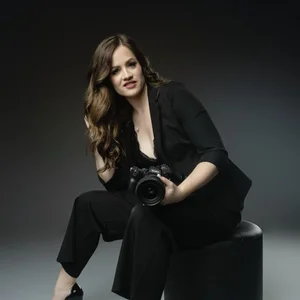
If you are weighing boudoir photography vs lingerie photography, the difference is not simply what someone wears. Lingerie can be part of either kind of portrait session. Boudoir photography is more often a guided, personal experience shaped around your comfort, style, and reason for being photographed. A lingerie-focused session may put more attention on the garments and how they appear in the final images. The names are used differently from one photographer to another, so it helps to ask what the experience actually includes.
Schedule a call to talk through your ideas
Explore the studio website for more about the portrait experience, then use the consultation to ask how it fits your goals.
What is the main difference?
Think of boudoir photography as a broad portrait experience, not a dress code. It can include lingerie, a favorite shirt, a robe, a sweater, a slip, or other clothing that feels like you. The photographer may help plan the session, offer direction during the shoot, and shape the images around a personal purpose. That purpose might be self-celebration, a milestone, a new chapter, or a private keepsake. You do not need to arrive with a specific reason beyond wanting photographs that feel meaningful to you.
A lingerie-focused session is a narrower idea. The clothing itself may lead the plan: perhaps you want portraits featuring a new set, particular colors, or details such as lace, straps, or fabric. That does not automatically tell you whether the photographer provides a full planning experience, how much guidance is offered, or what happens once the pictures are made. Those points vary by studio, so the label alone cannot answer them. There is overlap. A boudoir session can be built around lingerie, and a session described as lingerie photography can still feel thoughtful and personal. The useful distinction is the center of attention. Is the experience designed around you and what you want to remember, with wardrobe as one part of it? Or is the principal goal to photograph particular garments? Neither aim is inherently better. Clarity about your own aim makes it easier to find the right fit.
How does the purpose shape the session?
Before looking at outfits, ask yourself what you hope to have when the experience is over. You might want an album that marks a wedding season, photographs for yourself after a major change, or a chance to make time for your own portrait. You may also want to give an album to a partner. A gift can be part of your reason, but it does not have to be the whole reason. A session can be something you choose for yourself, too. A garment-led session might have a more specific goal: showing the shape, texture, or color of a particular piece. You may want a cohesive set featuring one outfit or several looks that reflect your style. Share that intention when you first speak with a photographer. It helps them explain whether their approach and setting suit the pictures you have in mind.
It is fine if your purpose is still taking shape. You do not have to write a detailed story or arrive with a polished mood board. A few plain statements are enough: “I want something soft and relaxed,” “I would like to mark this birthday,” or “I want to see how this outfit photographs.” A conversation can help turn those starting thoughts into a plan. Keep the intended use in mind, too. Images meant for your own album can be planned differently from images you expect to share publicly. If you hope to give photographs to someone else, consider what you want to keep private and what you would be happy to share. The person in the photographs gets to set those boundaries. A present does not change your right to choose how the images are handled.
What do you want to remember about this season?
This question can help you decide whether a broad boudoir experience or a narrower garment focus feels more fitting. You might want to remember the way you felt stepping into a new decade, the anticipation before a wedding, or a period when you were making room for yourself again. You could simply be curious about being photographed in a style you have not tried before. There is no required milestone. Try completing a few sentences in your own words: “I want the pictures to feel…”; “The most important thing for me is…”; “I would feel at ease if…”; “I do not want the session to feel…”; or “When I look at the finished images, I hope to remember…” Your answers do not have to be shared word for word. They are simply a way to notice what matters.
If your strongest answer is about a piece of clothing, then a wardrobe-led session may be a good direction. If your answers involve the complete experience, your comfort, guided posing, and how you want to remember yourself, a boudoir session may be a closer match. You can combine those priorities. Try not to set expectations based on somebody else’s photographs or personal story. A portfolio can give you ideas about lighting and styling, but another person’s experience cannot determine what will feel right for you. Look for images that align with your taste, then ask how the photographer would adapt the approach to your own preferences. Your session should not require you to copy a pose, outfit, or level of exposure that does not feel like you.
How can wardrobe support your goal?
Wardrobe is a tool for expressing the mood you want, not a test you have to pass. Lingerie is one option, but it is not a requirement for boudoir photography. A robe, a soft top, a bodysuit, a slip, a button-up shirt, or another piece can create a different look. The right choice is the one you feel comfortable wearing and that fits the portraits you want. You can bring more than one possibility and talk through them before you begin. If you are planning around lingerie, think about the piece as both clothing and a visual detail. What color feels like your style? Does the fabric move in a way you like? Do you feel settled when you wear it? Trying it on at home gives you a chance to notice fit, straps, closures, and whether you want an additional layer.
There is no need to purchase a new wardrobe for the occasion. A familiar item may mean more to you than a brand-new set. If you do shop, give yourself time to try things on and return items that do not feel right. Avoid buying something only because you think a photographer expects it. Ask the studio what kinds of pieces work well with its setting, and bring questions rather than assuming there is one correct choice. Consider how each piece moves as you sit, stand, stretch, or change position. A garment that stays in place may help you focus on direction instead of adjusting it. Bring an underlayer or robe if that makes transitions easier. Ask what changing space is available and how the session is organized. For this studio, client closet access is conditional on collection prepayment rather than included with every session fee, so confirm current details before planning around a specific item.
Which experience feels more comfortable?
Comfort has more than one part. There is what you wear, how the room feels, how much direction you receive, and how decisions are made along the way. A garment-focused session might feel comfortable if you already know what you want photographed and prefer a narrow plan. A guided boudoir experience may appeal if you would like help with posing, styling, or choosing a starting point. Neither preference says anything about your confidence or ability. It is normal to feel unsure before being photographed. You do not have to arrive knowing how to pose. Ask whether the photographer gives clear guidance, demonstrates positions, and makes adjustments as needed. You can also ask if you may pause, take a breath, or change an idea during the session. Those are practical questions, not signs that you are difficult to work with.
Think about your own comfort signals. Perhaps you feel most at ease when you know what happens next. Maybe you would rather decide one step at a time. You might want to start in a robe or familiar outfit before changing into anything else. Tell the photographer what would make the process easier. A useful plan should leave room for your choices rather than asking you to ignore them. Comfort also includes how you feel about the final images. Ask how the reveal or selection appointment works, whether you will choose the images you purchase, and what products are available. In this studio, the session fee covers the planned, styled, guided shoot and a later ordering appointment. Images and artwork are purchased separately. Paying the session fee does not mean that photographs are included, so ask for current investment details and make sure you understand both parts before reserving.
How do direction and planning compare?
Review the studio’s published information before your call, and note anything you want clarified about the process or artwork.
A lingerie-centered plan may start with the garments: which pieces you want to feature, what visual details matter, and how to arrange the photographs. A boudoir plan may begin more broadly with your reason, comfort level, preferred style, and the kind of finished keepsake you hope to have. In practice, a well-planned session may cover both. Asking how the photographer plans with clients will tell you more than choosing based on a label. Find out what the consultation covers. You might want to discuss your ideas, what the session includes, pricing and products, preparation, and next steps. A useful call should let you ask direct questions and understand the process. You do not need to commit to an outfit or a particular kind of portrait while you are still gathering information. If something is unclear, ask for the explanation in plain language.
Ask how much of the session is directed. Some people want detailed suggestions throughout; others prefer a lighter touch and more time to settle into each pose. A photographer can explain their approach, but you should also say what helps you. You might prefer a simple cue at a time rather than a long string of directions. You might want to see a reference pose or understand where to place your hands. Planning includes the finished photographs, not only the shoot itself. Ask when you will see the images, how selections are made, and what is available to order. Ask whether any product minimum or payment plan applies. The studio’s published information describes prepayment toward at least $1,800 and separate starting prices for albums and collections; it does not establish whether the session fee counts toward the minimum. Confirm current details rather than assuming amounts make an all-in price.
Timing matters if you need finished artwork for a particular date. The studio recommends reserving six to eight weeks before you need completed artwork and describes scheduling as far as twelve months ahead, subject to availability. Delivery estimates are not guarantees. Tell the photographer your date early, then ask what timeline is realistic for the product you are considering. A useful plan includes enough time for the session, image selection, product creation, and delivery. If your date is flexible, say so. If you need a specific format by a particular occasion, share that before booking so you can discuss whether the schedule is workable.
What should you ask about privacy and image use?
Privacy should be part of the conversation before a session, not an afterthought. Ask who can view your photographs, how you make selections, and whether any images may be shared in a portfolio, on social media, or in other studio materials. Ask what choices you have if you do not want public use. You should be able to understand release options before signing anything. At this studio, promotional use depends on the client’s chosen image release. The studio describes several release choices and an option to delay a release date. Do not assume that booking automatically gives the photographer permission to share your images. Read the release and ask questions about any wording you are unsure of.
It can help to separate three questions: who sees the images during production, what you receive or purchase, and whether any image can be shown publicly. Each concerns a different part of the experience. Ask the studio to explain its process and any third-party services involved, rather than relying on a broad assurance. You are entitled to understand how your choices are recorded. If you are considering a gift, decide what you are comfortable giving and what you want to keep for yourself. You might choose an album with selected photographs and still keep the rest of the experience private. A partner or recipient should not be part of the decision unless you want them involved. The session is yours to shape, and your boundaries matter even when another person is part of the occasion.
How do you compare what is included?
The word “session” can describe very different arrangements. One photographer may offer a short appointment focused on a specific look. Another may include planning, styling, professional hair and makeup, guided posing, a reveal appointment, and product selection. A service description should explain the actual steps. Ask for specifics instead of comparing two names that may mean different things. For Tabetha Rae Photography, the described experience includes professional hair and makeup, wardrobe discussion, guided posing, a shoot, and a later ordering appointment. The visit is described as taking about three hours, with around 60 to 90 minutes of photography in the planner. Confirm current arrangements with the studio, and do not infer that every possible outfit, product, or digital image is included.
Use questions like these to make a fair comparison:
- What is covered by the session or creation fee?
- Are photographs or products included, or are they selected and purchased later?
- What planning and styling support is part of the process?
- Is professional hair and makeup available, and how is it arranged?
- How does the photographer guide posing?
- When will I see the images and choose products?
- Is there a minimum purchase or prepayment plan?
- What are the current delivery estimates for digital and printed work?
- What are my image-use choices?
Write down the answers in the same format for each photographer you are considering. Separate the fee to reserve and create the session from the price of images and artwork. A lower session fee alone does not show what a complete experience will cost, and a collection starting price does not explain what it contains. Compare like with like, and ask for written information if you need to review it later. Cost is not determined by whether a session is called boudoir or lingerie photography. It depends on what the photographer includes, what you select afterward, and any product or payment requirements. Ask for the complete pricing structure before reserving. Set a comfortable spending range for yourself before reviewing products. You can ask to see options within that range and take time to decide.
How should you choose a photography style?
Look at the full range of work a photographer makes, not only one image that caught your eye. Notice the lighting, color, setting, posing, and expressions. Do the pictures feel soft, dramatic, relaxed, polished, or varied? Is there enough range to imagine your own preferences fitting into the photographer’s approach? A portfolio can help you talk about taste, but it should not make you feel that you must look or pose like someone else. Ask whether the photographer can describe how they adapt a session. If you like natural light and quieter styling, say so. If you are drawn to a particular color or want to include a personal object, mention it. A clear answer will explain what can be shaped around your ideas and what is part of the photographer’s established process. It is fine if a photographer’s style is not the match you want.
Be thoughtful when you use images posted online as examples. They may represent one client’s release choice and one particular session. They do not establish what every client chooses or what you will be asked to wear. You can save references for colors, light, or mood and explain what you like about them. Avoid treating a pose or garment as a required template. Consider where and how you want to enjoy the finished photographs. A hand-bound album offers a different experience from a wall piece or digital files. Ask what products are available, what they cost, and how you select images. The best format depends on how you want to keep or share your photographs, not on what somebody else says you should order. If you want to show a partner your ideas, choose examples that communicate mood and style, then keep the final decisions yours.
How can you prepare without overplanning?
Preparation should make the day easier, not turn into another project with a long list of rules. Start with practical details: confirm your appointment, review what the studio says to bring, and note questions about arrival, changing, or timing. The studio’s planning information and consultation can clarify what is supplied and what you need to arrange yourself. Avoid relying on assumptions based on another photographer’s process. Then choose a small set of wardrobe possibilities. You might select one piece that feels familiar and one that gives you a different look. Try each one on, sit and move in it, and check whether you feel comfortable adjusting it. Add a robe or another layer if it helps between looks. A few options that make sense to you are more useful than a bag full of items chosen from pressure.
Make a short note about your preferences. You could include your favorite colors, details you want to avoid, whether you like a lot of verbal direction, and the kinds of images you hope to have. You can also note anything that would help you feel settled. Sharing this in advance gives the photographer a chance to respond and helps you remember what matters when the day arrives. Keep the timeline in view if you are working toward a wedding, birthday, or another date. The studio advises planning six to eight weeks ahead of when you need finished artwork, while future dates are subject to availability. Ask about the current schedule and product timing directly. Allowing a margin gives you room to make selections and receive physical artwork without treating an estimate as a guarantee.
What if you are nervous about being photographed?
You can be interested and nervous at the same time. You do not have to wait until you feel completely confident before making an enquiry. Instead, use the conversation to learn what support is available and decide whether the approach feels right for you. A photographer should be able to answer practical questions without dismissing your concerns or promising a particular emotional outcome. It may help to name the part you are unsure about. Is it choosing clothes, being directed, seeing the photographs, or deciding what to purchase? Once you know the concern, you can ask a specific question. For example, if posing feels unfamiliar, ask what guidance looks like. If the reveal feels like a lot to decide, ask how the appointment works and whether you can take time to consider your choices.
You can also make a simple plan for the day. Choose clothing you can move in, bring a layer that helps you feel settled, and keep your questions nearby. Allow time so you are not rushing from another commitment. You may want to share preferences about music, conversation, or how you receive directions. Small practical choices can make the experience feel more manageable. No photograph has to prove anything about you. A portrait session is not a measure of how you look, how confident you feel, or how well you follow directions. You are allowed to change your mind about a garment or an idea. A personal session should be built through communication, and you can speak up when something does not feel right. If you have concerns about a particular pose or wardrobe choice, state them plainly before the session begins. You do not need to justify a boundary.
What should you ask before booking?
A consultation is a good time to understand the experience before making a decision. You can ask about the session plan, price structure, artwork, privacy, timing, and what happens next. You do not need to ask every question in one breath. Choose the points that matter most to you, then make sure you understand the answers before you reserve a date. Useful questions include: How would you describe the difference between your boudoir experience and a lingerie-focused shoot? What happens from the first consultation through the ordering appointment? What does the session fee include, and what do photographs and artwork cost separately? What is the current prepayment requirement, and how does it relate to the other prices? What wardrobe choices work well in your studio? Is closet access available, and what conditions apply? How do you help clients who have not posed for portraits before? What choices do I have about image sharing and release? How long should I allow for planning and finished artwork? What should I do next if I want to take time to think?
Notice not only the answers but how the conversation feels. Are details explained clearly? Do you have room to ask follow-up questions? Do you feel pressured to make a decision or to choose a particular type of image? A good fit includes trust in the process and respect for your boundaries. You can take time to compare options and decide at your own pace. For a studio session in Cabot, Arkansas, Tabetha Rae Photography serves women across Central Arkansas and offers a guided boudoir experience. A no-pressure call is a chance to talk about your vision, the process, pricing, and next steps. It is also a chance to decide whether the studio’s approach matches what you want. You may use that conversation simply to gather information. You are not required to arrive with a complete plan or book immediately.
Schedule a call to discuss your session
Frequently asked questions
Do I have to wear lingerie for boudoir photography?
No. Lingerie is one wardrobe option, not a requirement. You can discuss other pieces, such as a robe, shirt, slip, or another outfit that suits your style. Ask the photographer what works with the setting and choose something you feel at ease wearing.
Is lingerie photography always less personal?
No. The phrase often describes a narrower focus on the garments, but photographers use labels differently. A lingerie-focused session can still be planned with care and shaped around your preferences. Ask about the planning, direction, privacy choices, and finished products rather than judging the experience by its name.
Can a boudoir session be a gift?
Yes, you can choose an album as a possible gift for a partner. You can also make the experience primarily for yourself. Decide what you want to share and keep, and make image-use choices that feel right to you.
Does paying the session fee include the photographs?
Not at Tabetha Rae Photography. The session or creation fee reserves and supports the guided shoot and later ordering appointment; images and artwork are purchased separately. Ask for current pricing and how any prepayment plan applies before booking.
What if I do not know how to pose?
You do not need prior posing experience. Ask the photographer how they guide clients and explain positions. You can tell them whether you prefer detailed cues or a lighter touch, and you can ask to pause or adjust an idea during the session.
The clearest choice comes from matching your goals with the actual experience on offer. If you want a session centered on your personal story and comfort, boudoir photography may be the broader fit; if your main focus is a particular set of garments, a lingerie-led plan may suit you. You can combine both, ask direct questions, and choose an approach that feels like your own. Give yourself permission to take your time, understand the details, and choose the photographs and experience that feel right for you.