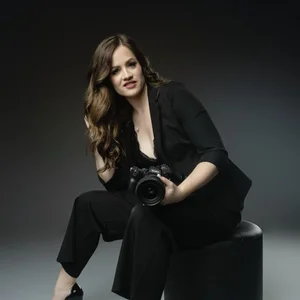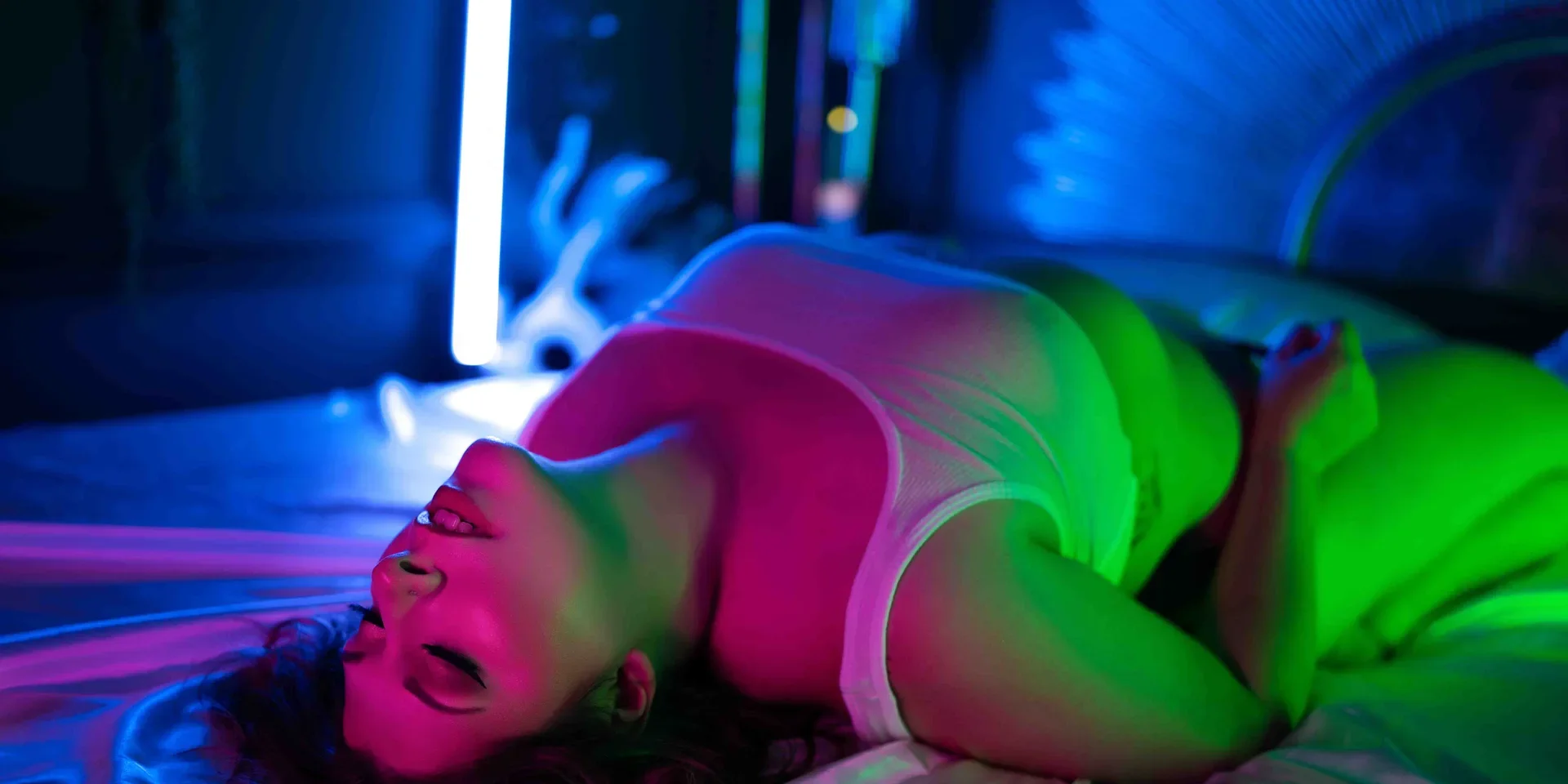
Boudoir photography vs event photography is a choice between two different kinds of photographs and two different experiences. Boudoir centers on one person in a planned, guided portrait session. Event photography documents a gathering as it unfolds. The right fit depends on whether you want portraits shaped around your expression or a record of people and moments shared at an occasion.
What is the simplest difference between boudoir and event photography?
Boudoir photography is a personal portrait experience. The session is planned in advance, with time to talk through the feeling you want, consider wardrobe and styling, and receive posing guidance. Event photography has a different job: it records a gathering, its people, setting, and moments as they happen. A photographer may work through a schedule and move between candid photographs and planned group portraits.
Neither kind is automatically better. They answer different questions. Do you want images made around you, with dedicated time and direction? Or do you need someone to document a date, venue, guests, and activities? That distinction is a useful starting point before comparing portfolios or packages.
Think of it as the difference between a portrait appointment and visual coverage of an occasion. At a portrait appointment, one person’s preferences guide the pace. The photographer can pause to adjust an idea, talk about a pose, or try another approach. At an event, the photographer responds to a schedule and a room full of activity. A moment may happen once, so the work often depends on anticipation and quick decisions.
The labels describe the assignment, not simply the camera or lighting. An event may include a few posed portraits, and a boudoir session may include candid-feeling frames. The question is what the photographer is being hired to prioritize from beginning to end.
Which type fits the photographs you want?
Picture the photographs you would like to look at later. If you imagine a cohesive set of portraits that express your style, a boudoir session may fit. If you imagine seeing the people who attended a gathering, the room before guests arrived, a speaker, or spontaneous interactions, event coverage may be closer to your goal.
Try writing a one-sentence description before contacting a photographer: “I want portraits that feel considered and personal, with help knowing how to pose,” or “I want a record of our celebration, including guests, details, and key moments.” This makes the service you need clearer than a broad request for photographs.
A bride might want a personal boudoir session as a separate experience, perhaps with an album as a possible partner gift, while also needing event coverage for a wedding day. Those are separate goals. A boudoir photographer is not automatically a wedding or event photographer. Confirm each service directly and choose someone whose work and process match the assignment.
It can help to separate the reason for taking photographs from the format you want afterward. You may want a portrait experience because you are marking a personal milestone, preparing for marriage, embracing motherhood, or simply choosing something for yourself. You might want event coverage because relatives are gathering, an organization is recognizing a milestone, or a community is sharing an occasion. The reason can be meaningful in either case, but it does not determine the service by itself.
Ask what you want the images to do for you. Should they bring you back to the way you felt in a carefully planned session? Should they help you recall who attended and what happened during a day? Should they become a physical album, or should they document a sequence from arrival to closing remarks? Your answer shapes both the photographer you seek and the questions you should ask.
How does planning differ?
Boudoir planning is about creating a portrait session that feels personal. You can consider mood, wardrobe, styling, boundaries, and the kind of finished artwork you may want. You do not need to arrive with every pose mapped out. In a guided session, the photographer can offer direction as the shoot unfolds.
At Tabetha Rae Photography, the described experience includes professional hair and makeup, posing support, and a later ordering appointment. The studio is based in Cabot and serves Central Arkansas. A consultation is a chance to talk about your vision, experience, pricing, products, and next steps before deciding whether to reserve a session.
Event planning generally begins with logistics. The host and photographer need to understand the date, venue, schedule, access, expected attendance, and priorities. The photographer may ask when guests arrive, when speeches happen, and whether formal group portraits are needed. A useful plan names moments that cannot be repeated, such as a short ceremony, award presentation, or first dance.
For a portrait, a planning conversation can center on what feels like you. Perhaps you want soft natural light, a favorite color, or a simple look rather than a complicated setup. Perhaps you have no clear visual plan yet. That is useful to say. You can bring a few reference ideas, but the conversation should help sort them, not turn your session into a checklist you must complete.
For an event, the planning document is more likely to look like a timeline. Note the start and finish times, when people will be in one place, and which moments matter most. If the schedule is still changing, identify the person who will tell the photographer about updates. For a group portrait, list the combinations that matter and allow enough time to gather everyone. A list such as “all attendees,” “the planning team,” and “the honorees with family” is more actionable than a general request for plenty of group photos.
For example, unclear expectations about wardrobe or image sharing can affect how settled you feel at a portrait session. At an event, a missing timeline or unclear group-photo list can make it harder to capture a requested moment. In either case, direct conversation before booking is practical, not fussy. You are helping the photographer understand what success means to you.
How much time do you spend with the photographer?
A boudoir session dedicates time to one person. The photographer can explain a pose, adjust it, and make small changes in expression or framing. The experience may include preparation and styling before photographs are made, followed by a separate appointment to view and choose images.
The studio describes one session per day, with a visit of about three hours and approximately 60 to 90 minutes of photography in its planner. These figures describe this studio’s process, not a universal rule. Ask any photographer what the appointment includes, how long the camera portion lasts, and whether preparation and image selection happen on the same day.
Event coverage is scheduled around the event’s duration. A photographer may arrive early to photograph the space, stay through planned moments, or cover only part of the day. Ask how late starts, schedule changes, breaks, and the final departure time are handled. Do not assume coverage extends beyond the agreed time.
Comparing hours alone misses the point. A portrait session uses time to create personal images with guidance. Event coverage follows a schedule and records people and moments. Choose based on how you want the time to be used.
Consider a practical example. Suppose a celebration runs from 5 p.m. to 9 p.m. The host may want room details before guests arrive, a short welcome, dinner, and several group photographs. The photographer needs to know whether coverage begins before doors open and whether the final hour includes a planned program or mostly informal conversation. A four-hour booking does not automatically mean every desired photograph can be made if the schedule places several important moments at once.
Now consider a portrait appointment. The total visit may include arrival, hair and makeup, getting comfortable, photographing, and later image selection on another date. The time with the camera is only one part of the experience. Ask how each stage is arranged so you can plan your day and understand when decisions about artwork happen.
Build in a little breathing room wherever possible. A tight event timeline can leave no time to gather a group after a speaker ends. A portrait plan that allows conversation and breaks can feel less rushed than one that treats every minute as a pose. This is not a promise about any particular photographer’s schedule; it is a useful planning principle to discuss.
What kind of direction should you expect?
In a boudoir session, direction can be part of the experience. You may be shown where to place your hands, how to shift your shoulders or posture, and where to look. You can ask for clarification or say when a position does not feel like you. Discuss boundaries before and during the session rather than assuming you must accept every suggestion.
It can help to describe what feels natural. You might prefer relaxed expressions and simple poses, or want a more dramatic look. Tell the photographer what you prefer not to emphasize. Direction works best as an exchange: the photographer offers ideas, and you communicate what feels comfortable and true to your style.
At an event, direction is usually brief and practical. The photographer might gather a group, ask people to stand where the light works, or request space to photograph a detail. Much coverage is observational because the gathering keeps moving. There is usually not extended time to refine each guest’s pose.
If you feel nervous in front of a camera, ask whether guidance is part of the service. For event coverage, ask how the photographer handles posed group photographs alongside candid moments. These are different forms of direction, so a photographer’s approach to one does not automatically tell you how they work in the other setting.
Some people worry that they need to know what to do before they arrive. You do not need a pose vocabulary to ask for a guided portrait experience. You can say that you are new to this, describe what you like in photographs, and ask how the photographer gives direction. A clear answer should explain the process in ordinary language.
For an event, direction can also affect the atmosphere. If you want candid coverage, ask how the photographer balances observing with stepping in to organize groups. If you need a formal portrait of a team, assign someone who knows the attendees to help gather them. The photographer can focus on the camera and positioning while the host’s contact person helps people arrive at the right time.
How should you compare preparation and styling?
Preparation for boudoir can include considering atmosphere, outfits, and details you would like in your portraits. Bring a few ideas rather than trying to plan every frame. Mention a meaningful accessory or preferred color during the consultation. The photographer can explain what preparation support is available.
At Tabetha Rae Photography, professional hair and makeup and guided posing are part of the described experience. Closet access is conditional on collection prepayment, so do not assume it is included with every session fee. Ask what applies to the option you are considering.
Event preparation focuses on the venue and schedule as much as on the people. The photographer may need a contact person, a timeline, group combinations, and guidance on venue restrictions. Hosts can identify the moments that matter most and make sure someone is available to answer questions.
For a personal portrait session, you might bring two outfit ideas and decide what feels right during the conversation. For a company gathering, the organizer might provide a run of show, note a recognition ceremony, and name the person coordinating group portraits. Both forms of preparation help, but one develops a personal visual plan and the other supports an event’s sequence.
A simple portrait preparation list could include:
Purpose: Write down why you want the photographs and what you hope they will express.
Preferences: Note colors, styling ideas, or details you would like to include, along with anything you would rather avoid.
Questions: Ask what hair and makeup, wardrobe guidance, and posing support are part of the experience.
Finished artwork: Think about whether you are drawn to a hand-bound album, another physical format, or purchased digital images.
This list is a conversation starter, not a set of requirements. You can make decisions after learning how the session works. If you have a personal boundary or concern, it is reasonable to raise it before reserving a date so you can understand the response and decide whether you feel comfortable moving forward.
An event organizer can use a different checklist:
Schedule: Share the start time, major transitions, and any moments that must be documented.
People: Identify the host, the event contact, and any groups that need formal photographs.
Location: Ask about access, permitted equipment, lighting restrictions, and where the photographer can move.
Priorities: Separate essential moments from images that would be nice to have if time allows.
The most useful preparation is specific to the job. A list of outfit ideas will not replace an event timeline, and a run of show will not tell a portrait photographer what mood you want. Share the information that gives the photographer a clear picture of the assignment.
How do privacy and image sharing compare?
Privacy deserves a direct conversation, especially when portraits feel personal. Ask who can access your images, how they are presented for viewing and ordering, and what choices you have about promotional use. At Tabetha Rae Photography, marketing use requires the client’s chosen release. Understand what you are agreeing to and make the choice that feels right for you.
Do not rely on assumptions. Ask whether sharing is optional, how a choice is recorded, and how you receive and store purchased images or artwork. Clear answers help you decide whether the process fits your expectations.
Event privacy has a different shape. Guests may appear in photographs, and a host may share a gallery with attendees or use selected images in communications. Ask who receives the gallery and how guests will be told about photography. If particular people or moments should not be photographed, communicate that in advance and identify who will help the photographer recognize those boundaries.
For either type, discuss sharing before images are made. A written plan helps when more than one person may access or distribute photographs. Do not assume a photographer, host, or guest understands your preferences unless you have said them plainly.
For a portrait session, it may help to ask these questions in sequence. First, who will see the images during selection? Second, how are the photographs delivered or stored after purchase? Third, what choices do you have about use in a portfolio or other marketing? Fourth, how is your choice recorded? You can ask for an explanation of any release before signing it. A release is a decision about image use, so you should understand its scope.
For a public gathering, the organizer may need to explain that photography is happening and describe where images may appear. The exact approach depends on the setting and the host’s plans. A small private gathering and a public conference may have different expectations. Tell the photographer if there are people who should not be included, then agree on a practical way to identify them without drawing unwanted attention.
It is also helpful to distinguish private viewing from later sharing. A gallery sent to a host, a link shared with guests, and selected photographs used in public materials are separate possibilities. Ask which are planned. If you are the host, choose one person to manage the gallery link and communicate the agreed sharing plan to attendees.
What happens after the photographs are made?
Boudoir photographs are often selected as a cohesive set of portraits, and a client may choose a physical album or other artwork. Event photographs usually form a broader record of a gathering, with images of people, details, and activities across its timeline. Ask what the photographer delivers and how you choose or receive it.
At Tabetha Rae Photography, the session or creation fee reserves a planned, styled, guided shoot and later ordering appointment. Images, albums, collections, and other artwork are purchased separately. Paying the session fee does not include photographs. Published starting points include albums from $1,800 and collections from $2,500, alongside a required prepayment plan toward at least $1,800. The public information does not establish whether the session fee counts toward that minimum, so ask for current details rather than assuming a single all-in figure.
If a physical keepsake matters, ask how selection and customization work. Tabetha Rae Photography works with a vendor in Portugal to create hand-bound luxury albums built to last a lifetime. An album gives a chosen set of portraits a defined form. If comparing another photographer, ask what the fee includes, whether products are separate, and what options are available after the session.
For an event, clarify deliverables too. Ask whether the agreement describes a gallery, prints, an album, or another format; how image selection works; and when delivery is estimated. Find out whether coverage aims to document every scheduled segment or focus on specific priorities. Compare the written offer rather than relying on assumptions.
Think about how you will use the photographs after receiving them. A portrait album can be a private keepsake, a personal record, or a gift you choose to share. An event gallery might help the host thank attendees, record a company milestone, or share memories with a family. The intended use can influence what formats and permissions you should discuss before booking.
For a portrait session, ask when the viewing and ordering appointment takes place and what choices are available then. Consider whether you want time to make decisions during the appointment or prefer to review options beforehand. If you are interested in both printed artwork and digital images, ask how those are selected and priced. Do not assume that one purchase automatically includes another format.
For event coverage, ask how the gallery is organized and whether the host receives a single link or another delivery method. If the event includes multiple parts, you might want to know whether the photographs are grouped by time or activity. Ask how the photographer handles images that include private or sensitive moments. The answer should match the event’s purpose and the sharing plan you have discussed.
How can you compare costs clearly?
One quote may cover a photographer’s time while another combines time and products. Separate the service from the finished images. Ask what a session fee reserves, what photographs or artwork cost separately, and whether a minimum purchase or prepayment requirement applies. For event coverage, ask whether the quote includes a defined amount of time, deliverables, or optional products.
These offers are not directly comparable if one is for a guided portrait experience and the other covers a date and venue. A lower starting fee might not include the same photographs or products. A product-inclusive package may bundle things you do not want. Write down what each price covers before deciding which is a better fit.
Service fee: What time, planning, styling, or coverage does it reserve?
Images and products: Are photographs, albums, prints, or digital files included or purchased separately?
Minimums and payment: Is there a required prepayment or purchase minimum?
Timing: When is payment due, and what delivery estimates apply?
Changes: What happens if the schedule, product, or date needs to change?
For boudoir, understand the separate session and artwork decisions. For event photography, know what coverage is reserved and what you receive. Ask for clarification in writing if any part of the quote is unclear.
A useful comparison is to create two columns for each photographer: “included in the reservation” and “chosen or paid for later.” Under the first, note planning, shooting time, styling, coverage hours, or the ordering appointment. Under the second, list images, albums, prints, galleries, additional hours, or delivery options. The categories will differ, but putting them side by side makes it easier to see whether two offers solve the same problem.
For example, an offer that reserves a guided session and a later image-selection appointment is not the same kind of offer as one that reserves five hours at a venue. Even if the initial amounts look similar, they purchase different work. Avoid comparing a single number without understanding what it covers. If you need a particular total budget, say so during the consultation and ask how the full decision is structured.
For Tabetha Rae Photography, the published figures are starting points and a minimum prepayment requirement, not a single all-in total. The fee reserves the session experience, while chosen images and artwork are separate purchases. Ask how the current prepayment plan works and whether any amount is credited toward the session fee before making a budget comparison. Do not fill in a missing policy detail by assumption.
On an event quote, check whether it covers setup time, overtime, travel, a second photographer, or products only if those are relevant to your assignment. Ask which items are optional and which are required. A written description of coverage hours and deliverables helps prevent mismatched expectations later.
What questions should you ask before booking?
Use questions that uncover the process and result. You do not need to ask every question in one call. Start with what matters most to your goal, then follow up on anything unclear.
What is this service designed to document?
How much time is dedicated to planning, preparation, photography, and selection?
How much posing guidance or group direction should I expect?
What preparation or styling support is included, and what is conditional?
What does the fee cover, and are photographs or artwork purchased separately?
How are privacy, access, and image sharing handled?
What finished formats can I choose, and what are the current delivery estimates?
For an event, who coordinates the schedule and identifies key people or moments?
For a portrait session, how can I share preferences or boundaries?
Ask to see examples that match your assignment. A portrait portfolio can show expression, lighting, and direction. An event gallery can show how a photographer covers a room, candid moments, and groups across a schedule. A few attractive images do not establish that the process fits your needs, so ask about the full experience.
You can make the conversation easier by prioritizing three non-negotiables. For a portrait session, those might be guidance, privacy choices, and an album option. For an event, they might be coverage of a short program, several specific group photographs, and a delivery format the host can share. Once those essentials are clear, discuss preferences that are flexible.
Listen for concrete answers. “We’ll figure it out” may be friendly, but it does not tell you whether your priorities fit the service. Ask what happens before, during, and after the photographs are made. If a policy depends on the collection you choose, the time booked, or a written release, ask which condition applies to your situation.
Also notice whether the photographer’s portfolio reflects the kind of assignment you have. A portfolio of individual portraits can show lighting and posing, but it may not show how the photographer handles a moving schedule. An event gallery can show coverage across a room, but it may not show how a guided portrait session feels. Ask for examples that are relevant rather than expecting one set of images to answer every question.
When might boudoir photography be the better fit?
Boudoir may fit when you want personal portraits made with time, planning, and guidance. Your reason does not have to be a milestone. You might be preparing for a wedding, celebrating a new season, embracing motherhood, rediscovering yourself, or choosing an experience because it matters to you. Bridal boudoir can be a gift idea, while the session can still be something you choose for yourself.
You do not need to arrive already confident or know exactly how you want to look. Bring questions and talk through your preferences before deciding. A welcoming, guided process should make expectations clear without pressuring you to book before you feel ready.
For clients considering Tabetha Rae Photography in Central Arkansas, the boudoir experience overview explains the general process. The studio focuses on boudoir, not event coverage. If your main need is event photography, choose a photographer whose work and services are built around your gathering.
A portrait experience may also suit you if the camera feels unfamiliar and you would rather not be left to invent poses on your own. Ask how the photographer guides you, whether you can share preferences as you go, and how a pause or change of direction is handled. You should be able to understand the process before deciding whether it feels right.
If you want a personal keepsake, consider how you would like to revisit the photographs. Some people picture a bound album they can hold. Others are still deciding what format makes sense. You do not have to settle every product choice before a consultation, but it is useful to ask how the selection and ordering stage works so the whole experience is clear.
At Tabetha Rae Photography, the session is described as a planned and guided experience with professional hair and makeup, a single session per day, and a later ordering appointment. That structure is different from event coverage. It gives the session space to center your preferences rather than a group schedule.
When is event photography the better fit?
Event photography may fit when the priority is documenting a shared occasion. You may want photographs of guests arriving, interactions, a program or ceremony, room details, and key moments on a schedule. The photographer’s work is to pay attention as the event develops and create a record of what happened.
Before booking, consider the event’s shape. Is there one short moment that cannot be missed? Are formal group photographs essential? Does the venue have rules about camera placement or lighting? Will someone be available to answer questions and help gather people? These details turn a vague request into a useful coverage plan.
If you want both portraits and event coverage, treat them as separate needs. A portrait session can be scheduled around your preferences, while event coverage is arranged around the occasion’s timeline. Ask each photographer whether the service is offered, what is included, and whether the timing will deliver the result you want.
It can help to rank event priorities. Put the moments that cannot be repeated at the top, such as a short presentation or group photograph before guests leave. Put flexible images lower, such as informal room details or extra combinations. That does not mean the lower priorities are unimportant. It gives the photographer a clear order if the schedule changes or several things happen at once.
Assign a point person who knows the host and the run of show. This person can tell the photographer where key people are, when the next activity begins, and whether a group is ready. Without that role, the photographer may need to leave the camera to find someone or guess whether a moment has shifted.
Choose a photographer whose work shows the type of coverage you need. If your event has fast transitions, look for examples that show a range of moments rather than only posed portraits. If a formal group is central, ask how the photographer organizes it and how much time the host should plan. These practical details matter as much as the final look.
What if you are choosing photography for a wedding-related occasion?
It is easy to use “wedding photography” as an umbrella for every photograph connected to a wedding. In practice, a personal portrait session and event documentation are distinct assignments. Bridal boudoir is a portrait experience centered on the bride, not coverage of the ceremony, reception, or full wedding day.
You might choose a boudoir session before the wedding because you want a personal set of portraits or an album that could become a gift. You might separately hire a photographer for the wedding day because you want guests, ceremony moments, and the event timeline documented. One service does not replace the other.
Make the distinction clear when you inquire. If you want portraits, describe the session and the kind of finished artwork you are considering. If you need a photographer at the venue, describe the date, schedule, location, and must-have moments. If you want both, ask each provider to confirm which assignment they offer. Never assume a photographer takes on a service just because it is related to the same occasion.
Timing deserves attention too. A portrait session can be planned separately from the event, leaving time for consultation, preparation, the shoot, selection, and any physical artwork. The studio recommends booking six to eight weeks before finished artwork is needed, and describes scheduling up to twelve months out subject to availability. Those are planning estimates from this studio, not a guarantee of a particular date or product arrival. If the finished photographs are intended as a gift, bring the date into the first conversation.
For event coverage, plan around the actual wedding-day timeline and the photographer’s stated coverage. Ask when the photographer arrives, what moments are included, and how changes are handled. If you are deciding between the services, write down the final result you want from each one. That simple exercise can prevent a portrait session from being mistaken for event documentation.
How can you decide without overthinking it?
Start with the final photographs you want, not the service label. If you picture one person at the center, a planned portrait experience, and guidance, explore boudoir photography. If you picture a venue, guests, and a record of a gathering, explore event photography.
Then check three things. First, make sure the photographer offers the service you need. Second, understand the process from planning through delivery. Third, get clear answers about fees, products, privacy, and timing. A portfolio can help you imagine the result, but the conversation should explain how the photographer will work with you.
Here is a quick way to test your choice. If you removed the date or venue, would you still want the photographs because they are portraits of you? That points toward a personal session. If the images only make sense because a gathering is taking place and you want to remember its people and sequence, that points toward event coverage. If both answers are yes, you may be describing two separate projects rather than one photographer assignment.
Next, consider who should lead the pace. If you want to pause, talk through an idea, and refine a portrait, look for a guided session. If the moments will happen around a schedule and you want the photographer to move with them, ask about event coverage. Finally, review the written terms so you know what is included, what is purchased separately, and how photographs may be shared.
For a boudoir consultation, you do not need a perfect plan. Bring your questions about the experience, artwork, pricing, privacy, and next steps. The purpose of the conversation is to learn whether the session fits what you want and whether the investment and process make sense for you.
If you are considering a guided boudoir experience in Cabot or Central Arkansas, you can schedule a phone conversation to discuss your vision, questions, pricing, and next steps.
Schedule a no-pressure consultation
Boudoir and event photography serve different purposes. Choose the experience that matches the photographs you want and the way you want them to be made.