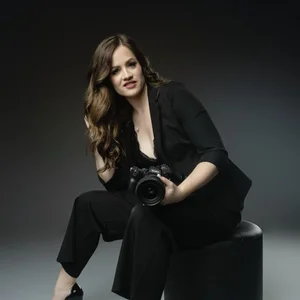
If you’re considering boudoir portraits, knowing who will be with you can matter as much as knowing how the photographs will look. An all-female boudoir photography team may feel like a more comfortable starting point for some women, especially when they’re new to being photographed or unsure what to expect. The most helpful thing is to understand what the team description means in practice, then decide whether the people, process, and communication feel right for you.
What does an all-female boudoir photography team mean?
An all-female team means the women involved in the photography experience are women. At Tabetha Rae Photography, the experience is presented as an all-female team, with professional hair and makeup and guided posing as part of the service. That gives you a useful starting point when you’re thinking about who you’ll meet and what support is available.
Still, a short description cannot tell you everything about how a session will feel. Team roles can differ from one business to another, and clients have their own preferences. It’s reasonable to ask who will be present, who handles each part of the session, how you’ll communicate beforehand, and what happens if you have a request or concern.
The phrase also should not be treated as a rule about who may book. Team composition and booking eligibility are separate questions. If you’re considering a session with a partner, ask the photographer about the current booking arrangements rather than drawing a conclusion from the team description alone.
For many people, the value is simple: they can know more about the people involved before deciding whether to take a personal step. For others, team gender may not be a major factor. Neither response is wrong. Your decision can be based on the full experience, including the photographer’s approach, communication, privacy choices, and the images and artwork you hope to create.
Why might the team feel important before a session?
Boudoir photography can feel personal. You may be thinking about your body, your comfort in front of a camera, the way you want to be photographed, or who will see the finished images. You might feel excited and nervous at the same time. Knowing something about the team can make those questions easier to bring up before you book.
For some women, being photographed by women feels familiar or reassuring. It may be easier to talk about wardrobe, modesty, posing, or the kind of image they want when they feel at ease with the people in the room. Another client may care more about the photographer’s portfolio, communication style, and ability to explain what happens next. A team description is one part of the decision, not a guarantee of how anyone will feel.
It can help to name what “comfortable” means to you. Maybe you want clear direction rather than having to invent poses. Maybe you want to know exactly who is present. Maybe you want time to ask questions before choosing a date. Or perhaps you need information about privacy and image sharing before you can consider the experience. Specific questions are easier to answer than a general hope that everything will feel fine.
You don’t have to arrive with total confidence or a perfect plan. A thoughtful consultation is a chance to discuss your ideas, get clear information, and decide whether the experience fits. It isn’t a commitment to be photographed, and you can take time to consider what you’ve learned.
How can communication make planning easier?
Good communication starts before the session. You should be able to ask what the process involves, understand the next step, and know where to direct questions. If you have a preference about styling, posing, privacy, or the overall mood, mentioning it early gives the photographer a chance to explain what can be planned.
Think about the information you need to feel ready. Some clients want a broad overview first. Others prefer details, such as how the session day is structured, when they’ll choose their photographs, and how artwork is ordered. You might want to know what you need to decide now and what can wait. A clear answer should make the next step easier to understand, not make you feel rushed.
During a consultation, you can share only what is useful to you. You do not need to explain private history or justify why you’re interested. You can describe a goal in practical terms: “I’d like a relaxed look,” “I don’t know what to do with my hands,” or “I want to understand image sharing before we talk about wardrobe.” Those are enough to begin a conversation.
It’s also fair to ask how you can reach the photographer if another question comes up later. Find out what communication to expect and whether there is a planning guide or other information you can review. A considerate process should give you space to think, while still making the practical details easy to find.
At Tabetha Rae Photography, the next step for an interested client is to schedule a phone call through the Contact page. That call is a chance to discuss your vision, the experience, pricing, and next steps. You can use it to ask questions and decide whether you want to move forward.
What support can hair and makeup provide?
Professional hair and makeup are part of the experience described by Tabetha Rae Photography. This support can be helpful if you don’t often have your hair and makeup professionally done, or if you’re unsure how you want to look in photographs. You can talk through the overall feel you have in mind rather than arriving with a detailed beauty plan already figured out.
Before the session, consider what feels like you. You may prefer a polished version of your everyday look, or you may want to try something more styled than usual. A few reference images can help explain the mood you’re drawn to, but they do not need to dictate an exact result. You can also describe what you normally like, what you would rather avoid, or what makes you feel most at ease.
Ask how to share preferences and whether there is anything you should do to prepare. If you have a particular product, skin sensitivity, or practical concern, bring it up ahead of time so you can understand what options are available. Don’t assume every detail is included in the same way at every studio. Ask about the service you’re considering and what the session plan covers.
Hair and makeup can be one part of feeling prepared, but they are not a requirement for feeling worthy of a portrait. The purpose is not to turn you into someone else. It is to plan a look that fits the experience you want and helps you recognize yourself in the final photographs.
How does guided posing help if you feel unsure?
Many people worry that they won’t know what to do in front of a camera. Guided posing can take away the expectation that you need to arrive knowing how to stand, where to look, or what to do with your hands. Rather than being left to guess, you can receive direction as the session unfolds.
It is useful to ask what “guided posing” means to the photographer. Will you be shown a pose and then adjusted as needed? How can you ask for a pause or a change? What should you do if a pose doesn’t feel like you? These questions let you understand the style of direction before session day.
You can also explain the kinds of photographs you connect with. Perhaps you like images that feel soft and quiet, or you prefer a more confident, editorial mood. You might have a favorite feature you want to emphasize, or you may simply want to see a range of expressions and poses before deciding what feels right. Sharing a preference helps shape the conversation; it does not require you to arrive with every detail decided.
On the day, it’s okay to speak up. You can ask what a pose is meant to communicate, request a small adjustment, or say that you would rather try another option. Direction should be a conversation, not a test you can pass or fail. Your comfort and choices matter throughout the process.
If you want to think about posing in advance, the studio’s posing tips for every body type can give you a sense of how guidance may work. Use ideas as possibilities, not a checklist you must memorize. A session is planned around you, not around performing a pose perfectly.
How should you talk about privacy and image sharing?
Privacy is worth discussing before you book, not only after photographs have been made. Ask how image sharing works, what choices you have, and whether you can decide separately about different uses. Make sure you understand what permission is being requested before agreeing to it.
At Tabetha Rae Photography, clients have choices about marketing image use, including release options and the timing of a release. Review the current information with the photographer so you understand what each choice means. Do not assume that having a session automatically means your images will appear online, and do not assume that every provider handles image use in the same way.
You can ask practical questions such as: Who will see my photographs during the process? How do I record my image-sharing preference? Can I choose not to have images used publicly? If I agree to a release, can I ask about when it begins? Clear answers can help you make a decision that matches your own boundaries.
It can also help to separate two kinds of privacy questions. One concerns the photographs and whether they may be shown to others. Another concerns the information you share while planning and ordering. Ask what you need to know about each, and read any applicable policy or agreement before signing. A professional conversation should make room for questions without implying that you need to give up control of your choices.
Privacy expectations are individual. Some women are happy to share selected portraits; others want their images kept private. Neither choice says anything about how meaningful the experience is. The important point is to understand the options and make a choice deliberately.
How do the session and artwork process fit together?
Knowing who is involved is one piece of the experience. It also helps to understand the full sequence, from planning through choosing what you want to keep. This makes it easier to picture the commitment and ask about costs before you set a date.
The studio’s process includes a planned, styled, guided shoot and a later ordering appointment. The session or creation fee reserves that experience, while photographs and artwork are purchased separately. Paying the fee does not mean the photographs are included. Ask the studio to explain the current investment details, including the session fee, artwork options, and any required prepayment, so you can understand what is and is not covered.
After the session, you return for an appointment to view the edited images and consider what you would like to order. Options described by the studio include hand-bound albums and other artwork. You can take time to ask how each product is presented, what choices are available, and how payment works before deciding. If a particular finished piece matters to you, ask about it during the consultation rather than assuming it is part of the session fee.
Planning ahead is useful if you have a specific date when you need finished artwork. The studio recommends booking six to eight weeks before finished artwork is needed, and describes scheduling as possible up to 12 months ahead, subject to availability. Delivery estimates vary by product and are not guarantees, so ask about current timing when your plans depend on it.
Reading the boudoir photography experience overview can help you understand the stages before your call. Then make a note of anything that remains unclear, especially around timing, purchasing, and the difference between reserving a session and selecting artwork.
What does the team description not tell you?
“All-female” tells you something about the team, but it does not answer every question about the experience. It does not tell you the photographer’s communication style, how much direction you’ll receive, how the session is paced, or what choices you’ll have when you see your images. Those details matter because you’re choosing a whole process, not only a team label.
It also does not tell you that you will automatically feel at ease. Familiarity can help, but trust grows through clear expectations, attentive communication, and the ability to make choices. You might feel more relaxed after you understand who will be present. You might still have questions about posing or wardrobe. That is normal, and the photographer should be able to discuss those details with you.
Nor does the description mean every woman wants the same thing from a session. One person may be looking for quiet, classic portraits. Another may want a bolder look or a set of images that reflects a milestone. A third might not know what she wants until she sees examples and talks through possibilities. An inclusive, personal experience leaves room for those differences instead of assuming there is a single right reason, look, or feeling.
Use the words as a prompt for a conversation. Ask who makes up the team, what their roles are, and how they work together. Ask what you can expect from the person guiding your session. If a detail matters to you, say so plainly. You deserve information that helps you decide, rather than having to guess what a general description means.
How can you set expectations for the session day?
It can be easier to imagine the experience when you break it into stages. Before the session, you can discuss your vision and ask about preparation. At the studio, professional hair and makeup and guided posing are part of the described experience. Later, you return for an ordering appointment to view the edited photographs and consider artwork. Ask the photographer to explain the current sequence and what you should expect at each stage.
Knowing the general flow can help you decide what information to gather in advance. You may want to know how long to leave for the visit, what you should bring, or whether there is anything you need to complete before arriving. Don’t rely on another person’s experience or an old online answer for details that may change. Ask the studio about current instructions that apply to your own date.
You can also think about small practical preferences. Would you like to talk through a plan before the camera comes out? Would it help to know when the photographer will give direction? Do you want a moment to pause between looks? Raising these points in advance gives you a chance to learn what can be accommodated and how to communicate on the day.
Making a plan does not mean every moment has to be scripted. The goal is to remove avoidable uncertainty, not to control every detail. Once you understand the broad structure, you can leave room for ideas that come up naturally. A guided session can have a clear plan and still make space for your preferences.
How can you choose wardrobe without overthinking it?
Wardrobe decisions can feel like a big part of planning, especially if you rarely shop for this kind of portrait. Start with what you want the photographs to feel like. You might prefer something simple and familiar, a more polished set, or a look that feels different from what you usually wear. There is no single outfit that makes a session worthwhile.
Think about how a piece feels when you move in it, not only how it looks on a hanger. If you’re uncomfortable adjusting it or worrying about it slipping, that may distract you from the experience. You can ask the photographer how wardrobe is discussed during planning and what options or guidance are currently available. Don’t assume a studio closet, a certain number of changes, or a particular item is included unless the studio confirms it.
A useful way to narrow your ideas is to choose a few descriptive words. Perhaps you want soft, structured, relaxed, or classic. Those words can help guide a conversation and make it easier to compare options. You can also share what you already own, if anything, and ask whether it could work for your intended look. You do not need an entirely new wardrobe to have a meaningful plan.
Give yourself permission to keep the plan manageable. One or two considered options may be easier than bringing a suitcase of things you are not sure about. Ask what to bring, how to prepare, and whether there are current wardrobe recommendations. The answer should fit the studio’s actual process, not a generic list copied from someone else’s session.
What if you are nervous about being photographed?
Being nervous does not mean you are unprepared or that you should cancel. It may simply mean the experience is new, personal, or outside your usual routine. You can tell the photographer you’re feeling unsure without needing to explain every reason. A direct sentence such as “I haven’t done anything like this before” gives the conversation a helpful starting point.
Ask what the photographer does to guide clients who are new to portrait sessions. The studio describes guided posing, but you can still ask how you’ll receive direction and what you can do if you need a pause. You might find it helpful to talk through the session flow, see examples of the finished style, or understand how the team will help you prepare. Choose the kind of information that would make the next step clearer for you.
Try not to make confidence a condition you must meet before you can ask questions. Some clients feel excited from the start; others become more at ease as they learn about the process. You can be curious and cautious at once. The choice to book should come from what you want and what you understand, not from pressure to prove that you feel a certain way.
If the answers leave you uncertain, it is okay to wait. You can take time to consider the information, talk about the practical details, and decide whether the timing works. A good consultation helps you make an informed choice. It does not need to end with an immediate yes.
What questions can you ask during a consultation?
You do not need a long script. A few direct questions can help you decide whether the experience matches what you need. Choose the ones that matter to you, and ask follow-up questions if an answer is unclear.
- Who will be involved? Ask who you’ll meet during planning and who will be present at the session.
- How do hair and makeup fit in? Ask how to share your preferences and what preparation is helpful.
- What does posing guidance look like? Ask how direction is offered and how to request a change or pause.
- How are privacy choices handled? Ask what image-release options are available and how to record your decision.
- What happens from booking to ordering? Ask what each appointment involves and when you’ll select photographs or artwork.
- What will I pay, and when? Ask for a clear explanation of the session fee, separate artwork purchases, and any prepayment requirements.
- How far ahead should I plan? Share any date by which you need finished artwork and ask what timing is realistic.
- What if I’m nervous? Ask how the photographer supports someone who has not done a session before.
You can also explain what you hope to remember about this season of your life. Maybe you’re celebrating a milestone, preparing a personal gift, embracing a change, or doing something for yourself. The answer can help guide the style of the session without requiring a dramatic reason to book.
How can you tell whether the team is a good fit?
Pay attention to more than the label. Look at whether the photographer explains the process clearly, answers questions directly, and makes room for your preferences. Consider whether the work feels like the kind of portrait experience you want. Notice whether the pricing and purchasing steps are understandable before you’re asked to make a decision.
You might also reflect on how the conversation felt. Did you have enough space to ask what matters to you? Were the answers specific? Did you understand who would be present and what happens next? Did you feel able to take time to think? Those practical signs can tell you more than a broad promise about how every client will feel.
A good fit does not mean you have no nerves. You can be interested and uncertain at once. It means you have the information you need to choose your next step, and that your questions and boundaries are treated with respect. If something remains unclear, ask again or wait until you’re ready to decide.
Tabetha Rae Photography serves women in Cabot and Central Arkansas from a natural-light in-home studio. If you’re nearby and curious about the experience, a call can help you talk through your ideas, the process, and the current investment details. There’s no need to arrive knowing exactly what you want. You can begin with a question.
Schedule a call to talk through your questions
Common questions about an all-female boudoir photography team
Does an all-female team guarantee that I’ll feel comfortable?
No. It may feel reassuring to some clients, but comfort is personal and cannot be promised based on team composition alone. Ask about the people, process, direction, and privacy choices, then decide how the full experience feels to you.
Do I need to know how to pose before I arrive?
No. The studio describes guided posing as part of the experience. You can ask how direction works and share any preferences in advance. You do not need to memorize poses or perform them perfectly.
Will my photographs be shared publicly?
Discuss image use and release choices with the studio before your session. Tabetha Rae Photography describes client choices about marketing image use. Review the current release options and make sure your preference is clearly recorded.
Does the session fee include the photographs?
No. The session or creation fee reserves the planned shoot and later ordering appointment; photographs and artwork are purchased separately. Ask for current pricing and payment details so you understand the full investment before booking.
Can I ask questions without deciding to book?
Yes. The consultation is a chance to discuss your vision, the experience, pricing, and next steps. You can use the conversation to learn more and decide whether you want to move forward.
An all-female team may be an important part of what helps you consider boudoir photography, but it is only one part of your decision. Ask what you need to know, take the time you need, and choose an experience that feels thoughtful and right for you.