If you are comparing boudoir photography vs editorial photography, begin with the reason you want the images. Both can include thoughtful styling, expressive posing, careful lighting, and a strong visual point of view. The important difference is usually not how polished the photographs look. It is who the photographs are for, what they need to communicate, and how the finished images will be used.
A personal boudoir session is usually planned around your experience and the artwork you want to keep. An editorial project is usually planned around a brief, a story, or an audience. Once you understand that distinction, it becomes easier to choose a photographer, explain your ideas, and prepare for a session that feels right for you.
Schedule a no-pressure consultation
What is the main difference between boudoir and editorial photography?
Boudoir photography is generally a personal portrait experience centered on the person being photographed. It may mark a milestone, celebrate a life change, support self-celebration, or simply create time for something meaningful. The finished portraits are commonly made for a personal collection. Some people choose an album as a possible gift for a partner, but that does not have to be the reason for the session.
Editorial photography is generally made to communicate an idea to an audience. It may support a magazine feature, tell a visual story, present a designer's collection, or illustrate a publication or creative assignment. Clothing, location, props, expression, and composition work together to support a brief. The photographs are created for a defined editorial purpose rather than primarily for one person's private collection.
These are useful categories, not rigid rules. A boudoir session can have a polished, fashion-influenced appearance. An editorial portrait can be quiet, simple, and personal in tone. The label tells you more about the goal and audience than exactly how every frame must look. When you are deciding between the two, ask who the photographs are for and who will decide what the final images need to communicate.
How does the purpose shape the experience?
In a personal boudoir session, planning can begin with your comfort, preferences, and the feeling you want the images to carry. You may want portraits that feel calm and natural, or you may prefer a more styled mood. You might be celebrating a wedding, a new chapter, motherhood, a personal milestone, or a decision to make time for yourself. The plan is built around your experience and the artwork you hope to keep.
At Tabetha Rae Photography, the published experience is a planned, styled, guided session followed by a separate image-selection and artwork appointment. The studio describes professional hair and makeup, wardrobe discussion, posing guidance, and one session per day. Those details support a personal experience in which you can talk through your vision and receive direction. They do not mean every session follows the same plan. A consultation is the right place to discuss what you want and what you would rather avoid.
An editorial assignment often begins with a brief. That brief may define the subject, audience, visual mood, deadline, intended placement, or required deliverables. Several people may be involved in planning, styling, photographing, selecting, and approving the images. The subject's preferences still matter, but the full concept may not belong to one person alone.
That distinction affects the pace of the shoot. A personal session may leave room to check in, adjust the plan, and spend time creating a connected set of portraits. An editorial assignment may move according to a production schedule and the needs of a publication or client. Neither approach is automatically better. The better choice is the one that matches why you want the photographs.
Who makes the creative decisions?
In a personal session, you are usually the main decision-maker. You can explain the mood you like, the clothing you want to bring, the parts of the experience that make you nervous, and the kind of finished artwork you imagine. The photographer contributes professional direction, but the session should still reflect your preferences.
In editorial work, creative decisions may be shared by a photographer, subject, editor, stylist, art director, designer, or commissioning client. The assignment may require a certain color story, setting, pose, crop, or relationship between the image and the surrounding text. A beautiful photograph can still be the wrong photograph if it does not serve the brief.
Before you book, ask how much input you will have. Will you help choose the wardrobe? Can you suggest a mood? Who selects the final images? Will someone approve the photographs before they are published? These questions are especially useful if you are the subject of an editorial project and are not the person commissioning it.
For a personal experience, the conversation can be less formal. You do not need a complete creative brief. It helps to describe the feeling you want, the kinds of images you are drawn to, and any boundaries that matter to you. A photographer can then turn that information into a workable plan.
How do direction and posing compare?
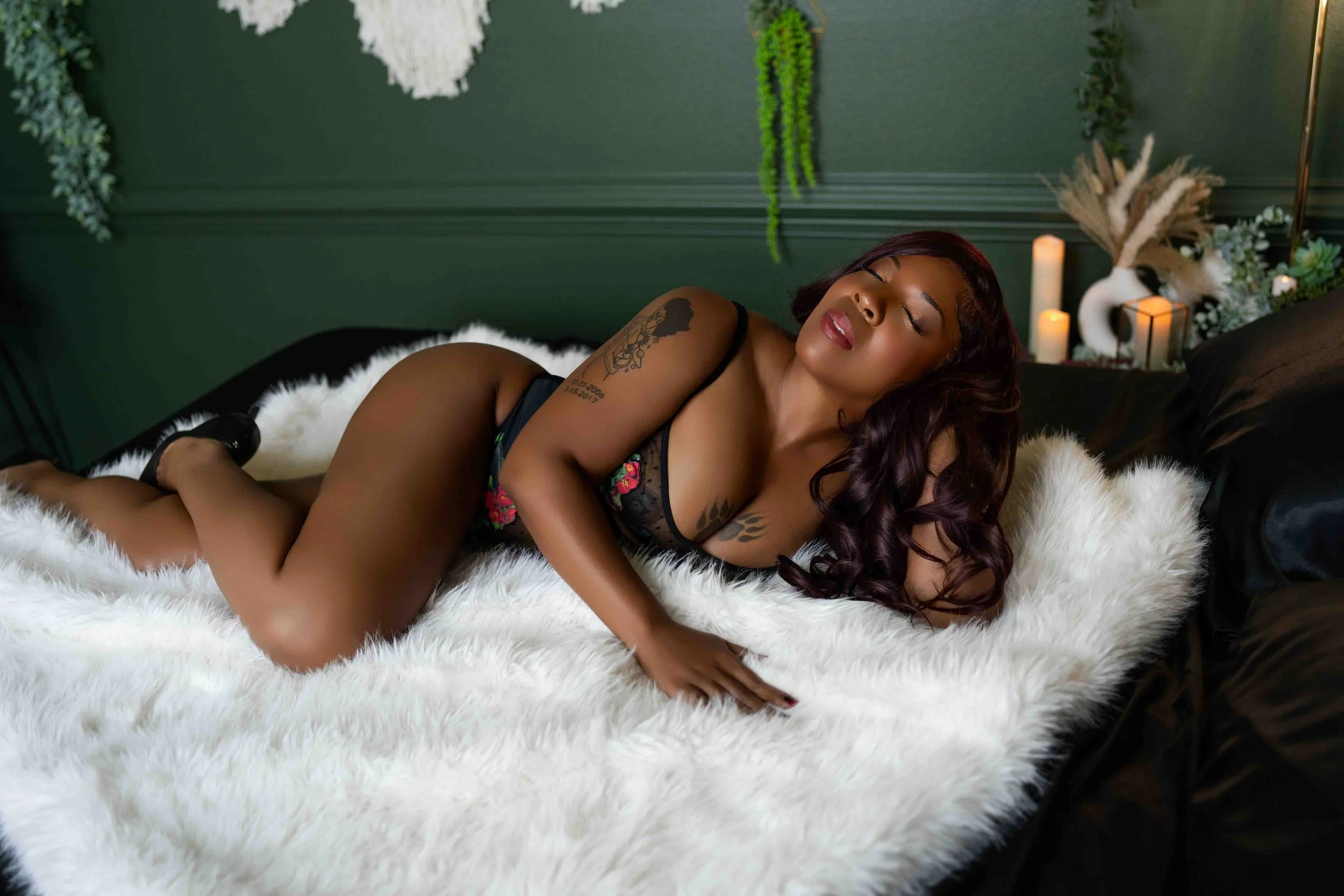
Both experiences can involve direction. In a guided boudoir session, posing support can help you understand where to place your hands, how to shift your posture, or where to look. You do not need to arrive knowing how to pose. A photographer can demonstrate a movement, give a small prompt, and adjust the pose as the image develops.
Editorial direction is often tied more closely to a concept. The photographer may ask for a particular gesture, expression, or relationship to an object because it helps communicate the story. Some assignments are carefully composed. Others allow more spontaneous moments. The brief, the team, and the planned use of the photographs determine how much freedom there is.
Ask what direction looks like in practice. Will the photographer demonstrate poses? Will you receive verbal prompts? Will you be able to pause or change an idea? Is there time to review the direction before moving on? These questions are useful whether you are experienced in front of a camera or have never had a professional portrait session.
A personal session should not require you to perform confidence you do not feel. You can share boundaries, preferences, mobility concerns, clothing concerns, or poses you do not want to try. A respectful plan can include alternatives. The aim is not to copy a reference image exactly. It is to create photographs that feel considered and true to the experience you chose.
If you are anxious about being photographed, say so during the consultation rather than waiting until the camera is out. Knowing that you are new to this helps the photographer explain each step. It also gives you a chance to ask about breaks, pacing, and how much guidance you can expect.
What changes in styling and wardrobe?
Clothing alone does not define either category. Boudoir portraits can use many kinds of clothing, from a favorite top or robe to a carefully selected outfit. You can choose a more covered look. You can bring pieces that have personal meaning. The right choice is the one that fits your comfort and the images you want to make.
For a personal session, wardrobe planning can start with what feels like you. Think about color, texture, fit, movement, and how you feel wearing each option. A meaningful garment can be as useful as something newly selected. Bring more than one possibility if the photographer recommends it, and ask how each choice works with the natural light, background, and intended artwork.
At Tabetha Rae Photography, wardrobe discussion is part of the planning process, and the studio describes professional hair and makeup as part of the experience. The studio also describes closet access as conditional on collection prepayment. Confirm current wardrobe details before assuming that every option is available with every session fee. Published pages have differed on some closet and outfit details, so ask which current terms apply to your appointment.
Editorial styling is often more closely connected to a visual brief. Clothing may support a collection, character, period, color story, or publication theme. A team may coordinate pieces, accessories, hair, and makeup so that the frame communicates one idea. The subject may have input, but the assignment can require a specific look.
There is still overlap. A personal set can have strong fashion influence, and an editorial shoot can use a simple outfit and minimal styling. When you review a portfolio, look beyond the clothing. Notice the light, the mood, the composition, the photographer's direction, and whether the images feel connected to the purpose you have in mind.
How do the visual goals compare?
There is no single visual formula for either kind of photography. Boudoir images can feel soft, bright, dramatic, classic, modern, playful, or quiet. Editorial images can take many of those directions too. Lighting, composition, styling, location, and editing respond to the photographer's approach and the goal of the project.
For a personal set, the photographer may create several frames and moods while keeping the images connected to your preferences. You can bring references that show what appeals to you and explain why. You may like the direction of the light rather than the exact pose. You may prefer the expression, color, or amount of open space in an image. Explaining those details is more helpful than asking for an identical copy.
Editorial images may need to fit within a larger sequence or visual story. A frame might be designed to sit beside text, connect with other photographs, or leave room for a layout. The image may be strong on its own while also serving a publication's structure. That is one reason the assignment's intended use should be discussed before the shoot.
When you compare portfolios, ask yourself three questions. Do you like the overall visual language? Can you imagine yourself feeling comfortable with that photographer's direction? Do the examples show the kind of finished work you want to display or share? A portfolio cannot answer every practical question, but it can help you identify whether the photographer's approach is a good starting point.
What happens to the finished photographs?
A personal boudoir experience may include a reveal or ordering appointment where you view edited photographs and decide what you want to purchase. At Tabetha Rae Photography, the session fee reserves the planned experience and later ordering appointment. Images, albums, collections, and other artwork are purchased separately. Paying the session fee does not mean that photographs are included.
Published starting points describe albums from $1,800 and collections from $2,500, with a required prepayment plan toward at least $1,800. These figures are starting points, not an all-in price. The available information does not establish whether the session fee counts toward that minimum. Ask for the current explanation before booking, and make sure you understand which payment applies to the experience and which applies to selected artwork.
Physical artwork can be an important part of a personal session. The studio mentions hand-bound albums, collections, folio boxes, wall art, mounted prints, bedside art, folios, and purchased digital images. The right choice depends on how you want to revisit the photographs. If you want something to hold, display, or give as a possible partner gift, discuss those goals at the consultation. You do not have to decide on a product before you understand the process.
Editorial deliverables depend on the assignment. The commissioning client may need files prepared to particular specifications, a set number of approved images, or rights for defined uses. If you are the subject, ask whether you receive personal copies and whether you may share them. Clarify selection, editing, delivery, file preparation, and use rights before the project begins.
Timing matters in both situations. The studio recommends booking six to eight weeks before finished artwork is needed and describes scheduling as far as twelve months ahead, subject to availability. Those are planning guidelines, not guaranteed dates. Physical artwork and custom products can take additional time. If your photographs are tied to a wedding, event, publication date, or gift, share that deadline during the first conversation.
How should privacy and image use factor in?
Privacy is part of choosing a personal portrait experience. Ask how images are stored, who may see them, and whether the photographer requests permission to share photographs for marketing. Tabetha Rae Photography describes image-release choices and promotional use based on the client's chosen release. Read the current release and state your preference clearly. Do not assume that a portfolio image can be reused simply because it appears on a public page.
The studio's published information describes four marketing-image release choices and allows a delayed release date. Policies can change, so review the current paperwork rather than relying on an old description. If you want your images kept private, discuss that preference before the session and confirm how the release works.
Editorial work has its own image-use questions. Ask where the photographs may appear, whether they can be reused in future editions or campaigns, and whether the photographer or subject may share them. A release or agreement should clarify the permissions being requested. Do not rely on a label such as “editorial use” without understanding the terms. The intended audience and publication context can affect what everyone involved expects.
Privacy also includes the conversation around the session. You can ask who will be present, how wardrobe changes are handled, and how the studio protects your comfort. A high-touch experience is not defined only by the final photograph. It also includes the clarity of planning and the ability to make informed choices.
Which experience is right for your goal?
If you want portraits to keep as a personal reminder, mark a life chapter, celebrate a wedding, or make time for yourself, a boudoir session may fit. The experience can be styled and polished while remaining personal. If the photographs need to fulfill a publication's concept, support a creative brief, or communicate a story to an audience, editorial photography may be closer.
Use this decision process before you contact a photographer:
Name the reason. Write one sentence about why you want the photographs. A personal milestone and a publication assignment will lead to different planning questions.
Name the audience. Decide whether the images are mainly for you, a partner, a family collection, a publication, or a client.
Name the decision-maker. Consider who will choose the mood, wardrobe, poses, final images, and permitted uses.
Name the finished form. Decide whether you are imagining an album, wall art, printed photographs, digital files, or publication-ready files.
Name your boundaries. Write down privacy preferences, wardrobe limits, physical considerations, and any topics you want to discuss before booking.
Name the deadline. If the images are for a wedding, gift, event, or publication, work backward from the date you need them.
This list can keep a consultation focused. You do not need a perfect creative brief for a personal session. You do need enough information to explain what you hope to feel and what you plan to do with the photographs.
How can you compare the total experience?
Compare more than one portfolio image or a headline price. Ask how planning works, when you see the photographs, how purchases are handled, and what permissions apply. For a personal session, distinguish the experience fee from artwork costs. For editorial work, ask what production expenses, team members, and deliverables are included. Notice whether communication feels clear and respectful from the first conversation.
For a Tabetha Rae Photography session, the published process includes a consultation, preparation, a styled and guided shoot, and a later ordering appointment. The studio describes one session per day, which supports an unhurried approach, but you should still ask how much time your appointment includes and how the schedule works. The planner describes a visit of about three hours, including approximately 60 to 90 minutes of photography. Confirm current details when you speak with the studio.
The experience also includes decisions about payment and artwork. The session or creation fee reserves the experience. Selected images and products are separate purchases. A collection prepayment may affect access to the closet and extra outfit options. Ask for the current investment guide and have the studio explain the order of payments in plain language. A starting price should not be treated as a complete total.
Editorial comparison requires a different set of questions. Who commissioned the photographs? Who approves the brief? Who supplies wardrobe and props? Who is on set? How are images selected? Where may they appear? What happens if the concept changes? What files or permissions are included? Written answers help prevent a mismatch between the visual idea and the practical agreement.
For more planning ideas before a consultation, you can also browse the studio's photography articles. Use that reading to clarify your questions, not to replace a conversation about the current experience, investment, and release paperwork.
What should you ask before booking a personal session?
A consultation can help you understand whether the experience matches your goals. Bring your main questions and be honest about what you are unsure of. You can ask:
What does the session or creation fee include?
Which photographs and products are separate purchases?
How does the image-selection and ordering appointment work?
What planning support is included for wardrobe and styling?
How does posing direction work for someone who is new to portraits?
What current release choices are available?
Who will be present during the appointment?
What should I expect from the payment and prepayment plan?
How long should I allow before finished artwork is needed?
What happens if I want a more covered or less styled look?
Can I bring meaningful clothing or personal details?
What happens if I change my mind about an image or product during the ordering appointment?
These questions are not a sign that you are difficult to work with. They are a way to make sure the experience and expectations match. Bring reference images if they help, but explain the details you like rather than asking for a duplicate.
What should you ask before accepting an editorial assignment?
If you are the subject of an editorial project, ask for the creative and practical details in writing. Confirm the concept, audience, schedule, location, wardrobe expectations, hair and makeup arrangements, people involved, and the photographer's direction. Ask who selects the final images and whether you will be able to review any image before publication.
Discuss permissions before the camera comes out. Ask where the images may appear, whether they can be licensed again, how long the permission lasts, and whether you may use approved images in your own portfolio or social channels. If an agreement uses broad language, ask for an explanation. It is easier to clarify image use before the shoot than after publication.
Also ask about delivery. You may need high-resolution files, crops for a particular layout, color specifications, or a defined number of final images. The assignment may require a quick approval process. Knowing those details helps the photographer plan a shoot that serves the actual project instead of producing attractive images that do not meet the brief.
If you are hiring the photographer rather than appearing in front of the camera, clarify the same points from the other side. State the story, audience, deadline, location, intended placement, and approval process. A written scope helps everyone understand what is being created and what happens after delivery.
Can a boudoir session have an editorial look?
Yes. Look and purpose are related but not identical. You can choose a personal boudoir experience and still like polished styling, strong compositions, carefully developed color, or a fashion-influenced mood. Explain what you like in a reference and connect it to the experience you want. For example, you might like dramatic light and rich color while preferring a relaxed pace, clear posing guidance, and a personal artwork plan.
The reverse is possible too. An editorial commission may use an understated portrait style. It still has an audience and a defined purpose. Discuss both intended use and appearance rather than relying on a label. A reference image is a starting point, not a promise of an identical result, because your features, wardrobe, location, and available light will be different.
If you want both a personal experience and an editorial feel, say that during the consultation. Ask which parts of the idea can be included and which decisions need to stay flexible. Time, budget, rights, wardrobe, and the creative brief all matter. Decide which goal takes priority if two choices conflict.
How can you prepare without overplanning?
Preparation should not become a second job. Start with the feeling you want the photographs to have. Then choose a few practical examples of light, color, clothing, or composition. Three to five references are often more useful than a large folder of images that point in different directions.
Try on possible outfits before the session. Sit, stand, and move in them. Bring pieces that feel comfortable and ask what works with the plan before buying anything new. Think about textures and colors that photograph well, but do not choose an outfit only because it looks good in a reference image. Your comfort affects how naturally you can move and respond to direction.
Plan for the finished photographs, too. If you want an album, tell the photographer. If you want wall art, consider where it may go. If you need private files, ask about release choices. If the images are for a wedding date or gift, allow enough time for selection and physical artwork. Good planning connects the session to what happens afterward.
On the day, leave room for the photographer's guidance. A mood board can set a direction without deciding every pose. You may discover that a small adjustment in posture, expression, or light produces a stronger image than the original idea. The goal is a coherent experience, not a checklist that leaves no room to respond.
What are common mistakes when choosing between the two?
One common mistake is choosing based only on a visual label. A photograph can look editorial without being made for editorial use, and a personal portrait can have a highly styled finish. Ask about audience, decision-making, and final use instead.
Another mistake is assuming that a session fee includes every photograph or product. At Tabetha Rae Photography, the published process separates the session or creation fee from selected images and artwork. Ask for the current pricing explanation so you understand the commitment before you reserve a date.
A third mistake is treating privacy as an afterthought. Discuss the release before the session. Understand what promotional sharing means, when it may happen, and whether you can choose a delayed release. Do not wait until after the images are published to ask where they may appear.
A fourth mistake is comparing two photographers using different definitions of value. One may emphasize a guided experience and physical artwork. Another may quote a fee that includes a different set of files. Compare what is actually included, what is purchased later, how the images are delivered, and what rights you receive.
Another mistake is planning only for the camera time. A personal portrait experience may include consultation, styling, photography, selection, ordering, and artwork fulfillment. An editorial project may include a brief, team coordination, approvals, editing, delivery, and usage permissions. Understanding the full process helps you compare experiences fairly.
Finally, do not assume that a photographer can reproduce an image exactly. A reference can communicate mood and direction, but the finished work will be shaped by the person being photographed, the setting, styling, light, and collaboration.
Frequently asked questions about boudoir and editorial photography
Is editorial photography always for a magazine?
No. Editorial photography can be created for different kinds of creative briefs and audiences. Ask who commissioned the images, where they are intended to appear, and what visual story they need to support.
Is boudoir photography only for a partner?
No. A personal session can be something you choose for yourself, a milestone, a wedding-related experience, or a personal collection. An album can be a possible partner gift, but it does not have to be the purpose of the session.
Do I need to know how to pose?
No. Ask how the photographer gives direction and explain that you are new to being photographed if that is true. A guided session can include demonstrations, verbal prompts, and adjustments as you move.
Are photographs included in a session fee?
At Tabetha Rae Photography, the published process separates the session or creation fee from images and artwork. Ask for current pricing and product details before deciding, because a starting price is not an all-in total.
Can I keep my photographs private?
Ask what release choices are available, review the current terms, and make your preference clear before the session. Promotional image use should follow the release you choose.
Can I request an editorial-inspired style for a personal session?
Yes. Explain the light, color, styling, or composition you like and also describe the personal experience you want. The photographer can help determine which ideas fit the session and intended artwork.
Call to talk through your session questions
Choose the purpose first, then plan the photographs
Boudoir and editorial photography can share visual tools, but they are usually built around different priorities. Decide who the images are for, what you want them to express, and what you hope to keep or publish. Then ask clear questions about direction, wardrobe, artwork, payment, timing, privacy, and image use. With those details in view, you can choose the experience that fits your plans.
Woman receiving gentle posing direction in a natural-light portrait session