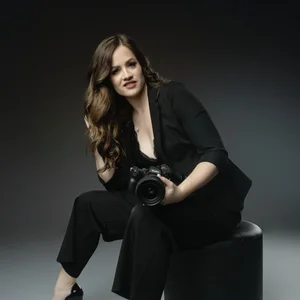
Boudoir Photo Album: How to Choose and Customize Yours

Your boudoir photographs deserve care, from the moment you choose your favorite images to the way you keep them. A boudoir photo album turns those portraits into a tangible keepsake, with a design that can reflect your style and the meaning behind your session. You may want an album to celebrate a personal milestone, remember a confidence-filled experience, or share a gift with someone you love. The choice is yours. At Tabetha Rae Photography, an all-female team offers a personalized experience and custom keepsakes, including hand-bound albums. This guide covers image selection, album styles, customization, and questions to ask before choosing a provider.
Key Takeaways
- Choose images that feel personal: Select portraits and details that reflect your style, confidence, and the memories you want the album to hold.
- Match the format to your vision: Compare album size, pages, cover materials, and design support before choosing a keepsake or gift.
- Confirm the details before printing: Review the layout, clarify the total cost and delivery timeline, and ask how your photos will be stored and shared.
What Is a Boudoir Photo Album?
A boudoir photo album is a custom collection of intimate portraits created to celebrate your beauty, personality, and confidence. It brings the images from your session together in a form you can hold, revisit, and enjoy over time. Rather than scrolling through a digital gallery, you can turn the photographs you love most into a keepsake with a design that feels personal to you.
Your album can reflect the mood of your session, whether that means soft and romantic, bold and expressive, or somewhere in between. You’ll choose the images, and details such as the cover and layout can help make the finished album feel like yours. At Tabetha Rae Photography, the boudoir experience includes guided posing and custom keepsakes, with hand-bound albums available as part of the personalized experience.
You don’t need to know exactly what you want before your session. Consider how you’d like to enjoy the photographs: as a private reminder of a meaningful experience, as a gift for someone you love, or both. Your answer can guide the album’s size, style, and image selection. Most importantly, the finished piece should feel comfortable to own and true to the person you are.
How It Differs from a Photo Book
A standard photo book is often made for everyday snapshots, while a boudoir album is typically designed as a more personal, polished keepsake. Album options may include premium cover materials, carefully arranged layouts, and sturdy pages that open flat. These details can give portraits more presence, especially when an image stretches across a full spread.
The best fit depends on the experience and presentation you want. A simple photo book can work well for a casual collection, while a custom album may offer more choices in materials, layout, and personalization. Browse premium boudoir photo book options to compare styles and finishes. Your photographer can also explain the available formats and help you choose a design that complements your images.
Choose It as a Keepsake, Gift, or Both
Your album can be a gift to yourself: a reminder of a season in your life, an experience you’re proud of, or a choice you made to celebrate yourself. You may also decide to give an album to a partner for a wedding, anniversary, birthday, or another special occasion. Some clients choose to create one copy for themselves and a separate gift edition.
There’s no single right reason to make a boudoir album. Think about who you want to share the images with, and choose the photos and design that feel comfortable to you. A boudoir session can become a meaningful memento or personal gift, but you get to decide how your photographs are used. Your album can be entirely private, made to share, or designed with both purposes in mind.
What Photos Belong in Your Boudoir Album?
Your boudoir album should feel like a portrait of you, not a collection of images chosen to match someone else’s expectations. As you select your favorites, consider what you want the album to bring to mind when you open it. Maybe you want to remember feeling confident, celebrate a personal milestone, or simply enjoy seeing yourself in a new light. There’s no required look or mood to aim for.
A memorable album usually includes a mix of images. Portraits, close-up details, and varied poses give the pages visual interest, while a thoughtful sequence helps the photos feel connected. You might include images that show your favorite outfit, a relaxed moment between poses, or an expression that feels unmistakably like you. A guide to boudoir photography also recommends combining wide and close-up images to add variety and depth.
Give yourself time to choose. You can notice which photos you keep coming back to and consider how each one makes you feel. If you’re working with a photographer, ask for help narrowing down your selection and arranging the images. At Tabetha Rae Photography, the experience includes personalized guidance and custom keepsakes, so you can create an album that reflects your preferences and feels meaningful to you.
Mix Portraits, Details, and Poses
A varied collection can make your album feel more engaging from page to page. Include wide portraits that capture your pose and the setting, along with closer images that draw attention to your expression, hands, or a favorite accessory. Different poses also help create variety: you might choose standing and seated portraits, along with more relaxed images. You don’t need to plan every pose in advance. A photographer can guide you during the session and help you find options that feel comfortable.
As you review the images, look for a balance rather than trying to include every possible angle. Choose photos that work well together and give each one room to stand out. Combining close-up and wider shots is one way to create a natural rhythm throughout the album.
Choose Photos That Feel Like You
Your favorites don’t have to fit a particular style of boudoir photography. You may be drawn to a bold portrait, a softer image, or a candid moment that makes you smile. Choose the photos that reflect your personality and comfort level, and leave out anything that doesn’t feel right. The album is yours, so your preferences should guide the final selection.
If you’re having trouble deciding, notice which images you return to and what you like about them. A boudoir session guide from Artistrie Co. also encourages choosing photos that connect with your self-image and confidence. Your photographer can help you compare options, but you get to decide which images belong in your album.
Shape the Album’s Story and Flow
Think about how you’d like the photos to unfold as you turn the pages. You could begin with a favorite portrait, follow it with a mix of poses and close-up details, and finish with an image that feels especially meaningful. Arranging photos by outfit, setting, or mood can also give the album a clear, easy-to-follow flow.
There’s no single right way to put the images in order. Choose a sequence that feels natural to you, and consider whether each spread adds something to the story you want to tell. This could be a celebration of a milestone, a personal expression of confidence, or simply a collection of images you love. A boudoir prep guide offers ideas for arranging photos around a story or occasion. Before printing, review the proposed design and request any changes that would help your favorite images shine.
How to Prepare for a Boudoir Photo Shoot
A little preparation can help you feel settled and make the session feel personal. You don’t need to plan every pose or detail in advance. Think about what helps you feel comfortable, share your preferences with your photographer, and leave room to enjoy the experience. At Tabetha Rae Photography, you’ll receive guidance throughout a personalized boudoir experience.
Plan Outfits, Accessories, and Grooming
Choose outfits that feel like you. Lingerie is one option, but a favorite shirt, a robe, or another meaningful piece can feel just as special. Bringing a few looks gives you choices during a full session; for a shorter session, one outfit may be plenty. Your photographer can help you decide what makes sense for your plans.
Set aside accessories, shoes, or personal items you’d like to include. Before your session, moisturize your skin and pack makeup or hair products for touch-ups. If you’re unsure what to bring, ask your photographer for suggestions. These boudoir session preparation tips can help you make a simple checklist.
Share Preferences and Set Boundaries
Your session should reflect your comfort level and personal style. Before the shoot, tell your photographer what you hope to get from the experience, which outfits or poses appeal to you, and anything you’d rather skip. You can share inspiration photos or make a short list of images you’d love to create. This gives your photographer helpful direction while leaving space for candid moments.
Talk about your boundaries, too. You can ask questions, change your mind, or pass on any pose at any time. Clear communication helps your photographer guide you in a way that feels respectful and supportive. A conversation before your session is a good time to discuss ideas and set expectations.
Get Comfortable During the Session
Give yourself an unhurried start to the day. Leave enough time to get ready and travel to the studio, and have a light meal or snack beforehand so you feel comfortable. If professional hair and makeup are part of your experience, follow any preparation instructions from your photographer. Otherwise, bring the products you’d like for quick touch-ups between looks.
When you arrive, take a moment to settle in and ask any last-minute questions. You don’t need to know how to pose. Your photographer can guide you through each step, with gentle adjustments to posture, expression, or hand placement. Tabetha Rae Photography’s all-female team offers guidance throughout the session, so you can take your time and focus on feeling at ease.
Which Boudoir Album Format Fits Your Vision?
The right album format is the one that suits your photos and how you want to enjoy them. Consider the size, page style, and craftsmanship, then ask your photographer to help you compare options.
Compare Sizes, Orientations, and Page Counts
Size and orientation shape how your photos appear on the page. A square album can give portraits a balanced, editorial feel, while a landscape format offers room for wider images and designs that pair photos across a spread. A smaller album may feel personal and easy to store; a larger one can give favorite portraits more room to stand out.
Think, too, about how many images you’d like to include. A concise selection can create a focused story, while additional pages leave space for more portraits, outfit changes, and small details from your session. Providers such as Mpix offer several album sizes, and Nations Photo Lab lets customers customize dimensions and spreads. Ask your photographer which format will suit your chosen images.
Consider Layflat Pages and Full-Spread Images
Page construction affects how your album opens and how your photos are displayed. Layflat pages stay open across the center, making them a lovely option for panoramic images or a design that extends across both pages. They can also give a single portrait space to take center stage without a prominent crease through the image.
Page thickness influences the album’s feel, too. Thicker pages feel substantial in your hands, while thinner pages can make the finished book lighter. If possible, ask to handle a sample before choosing. Mpix’s boudoir books include layflat options, and Nations Photo Lab’s album offers a choice of page thicknesses. Your photographer can help you select a style that complements your layout.
Choose a Photo Book or Hand-Bound Album
A photo book can be a polished, flexible way to gather your images, with options for size, cover, and layout. It may be a good fit if you want a streamlined design process and a finished album that feels easy to enjoy. A hand-bound album places more emphasis on craftsmanship and materials. Details such as the binding, cover finish, and page weight give it a tactile quality that can make the album feel especially meaningful.
Consider what matters most to you: a straightforward format or a carefully crafted keepsake. Some studios also guide you through selecting images and designing the final album. Tabetha Rae Photography’s boudoir experience includes custom keepsakes, such as hand-bound albums. Ask your photographer what options are available and how they’ll support you through the selection and design process.
How to Customize Your Album
A boudoir album brings your favorite images together in a keepsake you can return to whenever you like. The cover, paper, and layout all shape how it looks and feels, so take time to choose details that suit your taste. Your photographer can explain what’s available and help you make decisions without feeling overwhelmed.
Compare Leather, Vegan Leather, Linen, and Photo-Wrap Covers
Think about the impression you want the album to make. Leather has a classic, polished finish, while vegan leather offers a similar look without animal-derived materials. Linen feels soft and textured, and a photo-wrap cover features an image on the front. Some studios also offer more discreet covers if you prefer to keep the contents private.
Ask to see samples so you can compare colors, textures, and finishes. Consider where you’ll keep the album and whether you want it to feel understated or expressive. Options differ from one provider to another. For example, Mpix’s boudoir photo books include linen, leather, and custom image covers. Your photographer can also show you materials available for a hand-bound album.
Choose Paper, Binding, Layout, and Personal Details
Paper and binding influence both the look of your images and the feel of the finished album. Ask about print detail, page thickness, and whether the pages lie flat. Layflat binding can work well for a wide image across two pages, while a single-page portrait gives each photo its own space.
Next, consider the album’s flow. A mix of close-ups and full-length portraits can add variety, while a clean layout keeps the focus on each image. Depending on the provider, you may be able to select the album size, orientation, page count, and cover color. You could also ask about adding a title, date, or short dedication. Nations Photo Lab’s album options show examples of customizable details, including size, page thickness, and number of spreads.
Review and Approve the Design Before Printing
Take a little time to review the complete design before approving it for print. Look at every page in order and check that the photos are sharp, correctly oriented, and placed as you intended. Pay special attention to images that cross a page spread, making sure faces and other important details stay clear of the binding. If your album includes text, check its spelling and placement, too.
Ask your photographer whether you can request changes and how they handle color adjustments. This review gives you a chance to make sure the finished album reflects your preferences. Tabetha Rae Photography offers personalized boudoir experiences and custom keepsakes, including hand-bound albums. Ask what album design and approval steps are part of your experience.
How to Choose a Boudoir Album Provider
Your album holds images that are personal to you, so look beyond the cover and price. Consider how much help you want choosing photographs and shaping the design, then ask about materials, image handling, and delivery. A provider should explain each step clearly and give you room to make choices that feel right for you.
Compare Studio-Designed Albums and DIY Print Services
DIY print services put the design process in your hands. You choose the images, arrange the pages, and select from the formats offered. A service such as Mpix’s photo book builder may suit you if you enjoy organizing photos and want to work through the layout at your own pace.
With a studio-designed album, your photographer can help you select images, create a natural flow, and choose a finish that fits your style. Ask whether design support, revisions, and a printed proof are included. If you’d like a more guided experience, explore the boudoir experience and album options at Tabetha Rae Photography. The best choice depends on whether you want to manage the details yourself or work closely with your photographer.
Check Print Quality, Materials, and Samples
Ask what paper and printing process the provider uses, and which cover materials are available. If you can, look through a sample album in person. Notice how skin tones and fine details appear, whether the pages feel substantial, and how smoothly the album opens. These small details help you picture how your own images will look in print.
Online specifications are useful for comparing options. For instance, Nations Photo Lab describes the paper and features of its Album99. Ask whether a sample uses the same paper, binding, and cover finish you’re considering. A sample can also show how full-page images and layouts appear across the spread, helping you choose a style you’ll love returning to.
Ask About Customization, Support, Turnaround, and Guarantees
Find out which details you can personalize, such as the cover material, text, page count, and image layout. Ask who designs the album, how many revisions are included, and whether you’ll review and approve the final layout before printing. Knowing what you can change, and when, makes it easier to get an album that reflects your preferences.
Ask for an estimated timeline that covers design, printing, and shipping. It’s also helpful to know what happens if the album arrives damaged or doesn’t match the approved design. Providers have different policies, so check whether corrections, replacements, or refunds are covered. A studio that explains its process and keeps you informed can make creating a custom keepsake feel comfortable from start to finish.
Review Packaging and Delivery Options
Before ordering, ask how your album will be packaged and delivered. If privacy is important to you, find out whether the outside of the parcel identifies the contents and whether you can ship it to an address that feels convenient. You may also want tracking, a delivery estimate, or a signature requirement. Confirm these details before approving the order so there are no surprises.
Ask how the provider shares proofs and stores your images during the design process. Check whether galleries are password-protected, who can view them, and how long files are kept. A DIY service may provide an online tool for placing photos and captions, while a studio may guide you through reviews directly. Choose the approach that feels secure and gives you the level of support you want.
What Affects Boudoir Album Costs?
Boudoir album prices depend on more than the cover or size. Page count, print materials, design support, and what’s included in your photography experience can all affect the total. Ask for a clear breakdown before comparing options so you can choose an album that fits your vision and budget.
Check What the Price Includes
First, find out whether an album is part of your photography package or priced separately. Ask what the cost covers, including the number of pages and images, design assistance, cover options, revisions, and shipping. A printed book ordered online may offer a different level of support from a studio-designed album, where someone helps you select photos and arrange the layout.
If you’re considering a session with Tabetha Rae Photography, review the boudoir experience and investment details. You can ask how album choices fit into the experience, whether you can add pages, and how you’ll approve the design. Knowing what’s included helps you compare the full value of each option, not just the starting price.
Compare Costs for Sizes, Materials, and Customization
Album size, page count, paper, binding, and cover material can all change the price. A smaller book with a standard cover will generally cost less than a larger, custom album made with premium materials. Extra pages or personalized details may also add to the total, so decide which features matter most to you before choosing.
Browse examples to see how formats and finishes differ. Mpix’s boudoir photo books include a range of cover and layout options, while Nations Photo Lab’s Album99 offers a customizable format. These products may not include the same design guidance or personal service as a photographer’s album, so compare the materials, customization, and support included with each price.
Weigh Quality and Service, Not Just Price
An album is a personal keepsake, so consider how it will look and feel over time. Ask about print quality, paper, binding, and color consistency. If you can, view a sample before ordering. Find out whether you’ll receive a design proof and have a chance to request changes before the album goes to print.
Consider privacy and communication as part of the service, too. Ask who can access your images, how they’re stored, and when they’re deleted. A provider should be clear about its policies and sharing practices. This guide to boudoir photo privacy can help you prepare questions. When you compare options, weigh the finished album and the care behind the experience alongside the price.
How to Protect Your Boudoir Photos
Your boudoir photos are personal, and you decide who gets to see them. Before booking, ask how a photographer handles images from the session through delivery and storage. A straightforward conversation can help you understand the process and feel comfortable sharing your preferences.
It’s also helpful to discuss photo sharing separately. Ask whether images are ever used for a studio’s website or social media, how permission is requested, and whether you can decline. You can bring questions to Tabetha Rae Photography before booking, so you know what to expect.
Ask How Providers Store, Share, and Delete Images
Ask where your photos are stored, who can access them, and whether outside services help with editing, galleries, or printing. Find out how long the studio keeps image files and what happens if you ask for them to be deleted. Practices vary, so request clear details instead of assuming how your photos will be handled.
Before your session, confirm that the studio won’t share your photos for marketing without your permission. Ask how consent is recorded and whether you can change your preferences later. This guide to boudoir photo privacy offers useful questions to bring to your conversation with a photographer.
Check Gallery Passwords and Sharing Practices
When your gallery is ready, ask whether it’s password-protected and how long it will stay available. Find out who can view it, whether downloads can be restricted, and how to remove access after you’ve made your selections. If you share the gallery with someone you trust, send the password separately from the link.
Keep the gallery link private, and check the sharing settings before downloading or forwarding anything. Avoid posting the link publicly or sending it to people who don’t need access. This boudoir privacy checklist covers practical questions about password-protected galleries and image access.
Store Your Album and Digital Files Securely
Choose a private place for your printed album, such as a drawer, cabinet, or safe. If you’re giving the album as a gift, consider who might see it and where it will be kept. You can select a discreet cover or packaging if that better suits your preferences.
For digital files, keep a copy in an account you control and use a strong, unique password. Turn on two-factor authentication when it’s available, and check that file-sharing settings aren’t public. Keep a backup in a separate secure location, too, so you’re not relying on a single copy. This secure storage guide offers additional ways to protect your images.
What Are the Benefits of a Boudoir Album?
A boudoir album gives your photographs a lasting place beyond your phone or computer. You can revisit it when you want to remember how you felt during your session, or share it with someone special. Whether you choose a personal keepsake or a gift, your album can reflect your style and the moments you want to hold onto. Tabetha Rae Photography offers custom albums as part of its boudoir experience.
Celebrate Confidence and Self-Expression
Looking through your album can help you appreciate yourself from a fresh perspective. Your favorite images may highlight the details, expressions, and poses that feel most like you. They can also remind you of the confidence you brought to the session and the choice you made to celebrate yourself.
The meaning may deepen as time passes. Your album could mark a milestone, a new chapter, or simply a moment when you wanted to do something for yourself. Women who have shared their experiences with photographer Kate Hopewell-Smith describe feeling more comfortable with their bodies and noticing changes in their confidence and self-worth. Read their boudoir session reviews to hear how the experience resonated with them.
Keep a Meaningful Memento or Give a Personal Gift
Your album can be a keepsake for yourself, a gift for someone you love, or both. It preserves a snapshot of this time in your life in a form you can hold and revisit. Some people choose an album for an engagement, wedding, anniversary, or birthday. Others create one simply to remember how they felt during the session.
If you plan to give your album, decide which images you feel comfortable sharing and when you want to present it. The choice is yours: a boudoir album can be personal without being made for anyone else. Artistrie Co. shares more perspective on keeping boudoir photographs as a personal memento in its article about reasons to book a boudoir session.
Frequently Asked Questions
Do I need to know how to pose for a boudoir session?
No. Your photographer can guide you through poses and small adjustments during the session. You can also share what feels comfortable and skip anything that doesn’t suit you.
How do I choose which photos go in my album?
Start with the images you feel drawn to, then look for a mix of portraits, close-up details, and different poses. Your photographer may be able to help you narrow down the selection and arrange the photos.
Do I have to share my boudoir photos with anyone?
No. You decide whether your album is for you, a gift, or both. Before your session, ask the studio how it handles image sharing and make your privacy preferences clear.
What should I ask before ordering a boudoir album?
Ask what the price includes, which materials and sizes are available, how the design process works, and whether you can review it before printing. It’s also helpful to confirm the estimated timeline and delivery details.
Is a hand-bound album different from a photo book?
A hand-bound album often emphasizes its binding, materials, and crafted finish. A photo book may offer a more streamlined format with its own choices for size, cover, and layout. Compare samples and ask your photographer which options are available.