Body Positive Boudoir Photography for Every Body
If you’ve ever looked at boudoir photos and wondered whether you belong in front of the camera, you’re not alone. Many people worry they need a certain body type, age, outfit, or level of confidence to take part. Body positive boudoir photography challenges those assumptions by making room for different bodies, backgrounds, and personal styles. The focus shifts from meeting someone else’s expectations to choosing images that feel authentic to you. At Tabetha Rae Photography, guided posing and an inclusive approach help make the session personal. This guide covers what to expect, how to set boundaries, and how to find a photographer who listens.
Key Takeaways
- Boudoir can celebrate every body and background: You don’t need a particular appearance or confidence level to have a meaningful session.
- Make choices that feel right for you: Select your outfits, coverage, poses, and how your images are used, and share your boundaries with your photographer.
- Choose a photographer who respects your preferences: Review their portfolio, ask about privacy and session guidance, and explore Tabetha Rae Photography’s personalized boudoir experience in Central Arkansas.
What Is Body-Positive Boudoir Photography?
Body-positive boudoir photography is a portrait experience rooted in respect, personal choice, and the understanding that beauty has no single shape, size, age, or style. Rather than asking you to meet a particular standard, it gives you space to decide how you want to be seen and what feels comfortable.
That choice can shape every part of your session. You might wear lingerie, a favorite outfit, or something simple that feels like you. You can choose soft, natural portraits or a more dramatic look, and decide how much skin you want to show. Your photographer should listen to your ideas and offer guidance without taking over.
A boudoir session does not require you to arrive feeling completely confident, and it does not promise to change how you feel about yourself overnight. It can be a meaningful opportunity to spend time with your own perspective, recognize what you value, and create images that reflect your preferences. At Tabetha Rae Photography, the boudoir experience is personalized, with guided posing and an inclusive approach for women in Central Arkansas.
Celebrate Diverse Bodies, Ages, and Backgrounds
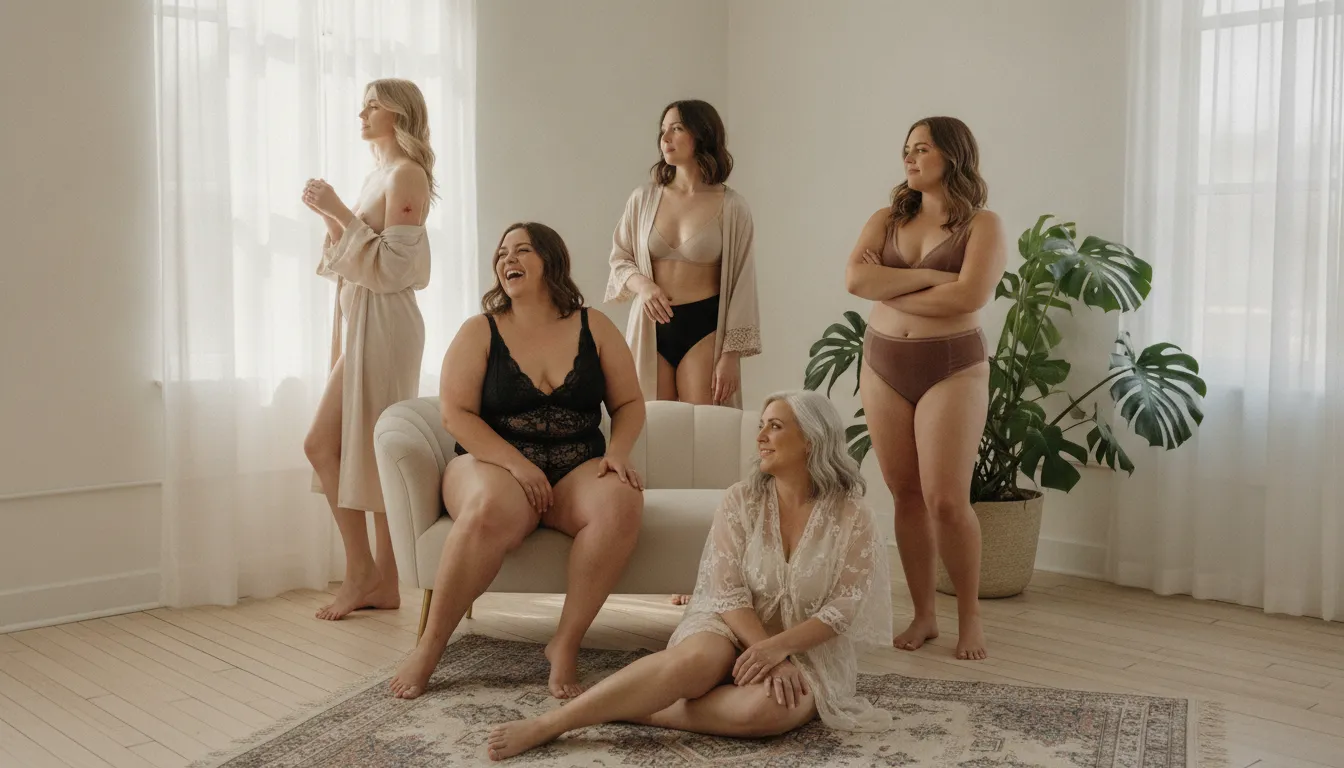
There is no single way to look beautiful in a boudoir photograph. Body-positive photography makes room for different body types, ages, skin tones, backgrounds, and life experiences. It also challenges the narrow images of beauty often presented in mainstream media by placing the person in front of the camera, not a prescribed ideal, at the center.
A thoughtful session starts with treating you as an individual. Your story, comfort level, and ideas matter more than fitting into a particular look. Hello Gorgeous Boudoir’s discussion of body positivity describes boudoir as a way to celebrate people across a range of shapes, sizes, and backgrounds. You deserve to feel welcome in the frame as you are.
Choose Self-Acceptance Over Beauty Standards
A body-positive session shifts attention from meeting outside expectations to noticing what feels meaningful to you. You do not need to arrive with a particular body type or a polished sense of confidence. You can bring your own perspective and decide what you want the experience to feel like.
Maybe you appreciate the strength in your shoulders, the curve of your waist, or the way your smile changes your expression. Those details do not need to match anyone else’s idea of beauty to matter. As Kellie Frye Photography explains, there is no single ideal body type. Your images can reflect that belief without asking you to perform confidence or feel a certain way. Self-acceptance can take time, and a photo session can simply be one personal experience along the way.
Choose Styles and Images That Feel Like You
Your boudoir photos can reflect your taste, rather than someone else’s idea of what boudoir should look like. Before your session, consider the moods, outfits, and portraits you’re drawn to. You might prefer a relaxed, natural feel, dramatic lighting, or a polished editorial style. You can also decide how much skin you feel comfortable showing.
Looking through a photographer’s portfolio helps you see whether their work feels right for you. Offbeat Home’s guide to a body-positive boudoir shoot recommends choosing a photographer whose images appeal to you and who treats clients with care. Bring inspiration if you have it, or talk through your ideas during planning. Your preferences can guide the session from the first conversation to the final image.
How Can Boudoir Photography Support Self-Acceptance?
A boudoir session can offer a fresh perspective on how you see yourself. With thoughtful direction and images shaped around your comfort and style, you can make space to appreciate your body as it is today. The experience won’t define your worth or change how you feel overnight, but it can be a personal way to practice self-kindness.
See Your Body With Compassion
It’s easy to focus on the features you wish you could change. During a supportive boudoir session, you may notice other details: the shape of your shoulders, the way you carry yourself, or an expression that feels unmistakably yours. Seeing those details in photographs can help you meet your reflection with more curiosity and less criticism.
You can take your time viewing your images and decide which ones feel right to keep. There’s no need to force a particular reaction or feel confident every moment. At Tabetha Rae Photography, the experience is personalized, with guided posing and support designed to help you feel comfortable and celebrated.
Celebrate Scars, Stretch Marks, and What Makes You You
Your body’s details are part of your story. Scars, stretch marks, freckles, and changes that come with age can all belong in photographs that feel beautiful and personal. Body-positive boudoir makes room for a range of bodies and features instead of asking everyone to match one narrow beauty standard. As body-positive boudoir photography can show, celebrating different shapes and sizes can help clients view their own features with greater kindness.
You can tell your photographer how you’d like your images styled and edited, including whether you want particular details to remain visible. There isn’t one correct choice. You get to decide what feels authentic to you and what you want to see in your photographs.
Express Your Identity Without Expecting a Photo Session to Fix Everything
A boudoir session can be a meaningful way to express yourself, but it doesn’t need to carry the pressure of changing how you feel about your body overnight. You might use the experience to mark a milestone, create a personal gift, explore a style you love, or simply make images that feel like you. Whatever brings you to the session, your reasons are enough.
Before you book, consider what you hope the experience will offer and share those hopes, along with any concerns or boundaries, with your photographer. A session can be one part of a broader practice of self-acceptance, rather than a solution to long-standing body-image struggles. Body-positive photography guidance also emphasizes keeping those expectations realistic and choosing an experience that respects your comfort.
What Happens During a Body-Positive Boudoir Session?
A body-positive boudoir session is shaped around your comfort, preferences, and reasons for being there. You might want to mark a milestone, create a personal gift, or simply have photographs that celebrate who you are right now. There’s no single right reason, and you don’t need to arrive with a list of poses or experience in front of a camera.
Before the shoot, you’ll have a chance to talk through what you’re hoping for and ask questions. During the session, your photographer can guide you through poses and lighting, while you decide what feels comfortable. You can take a break, change an outfit, or skip an idea at any point. Your preferences matter from the first conversation through choosing your images.
At Tabetha Rae Photography, the experience is personalized and includes guided posing and custom keepsakes. Learning about the studio’s boudoir experience can help you understand what to expect and prepare questions for your consultation. The goal is not to fit a particular image of beauty. It’s to create a thoughtful experience where you feel listened to, supported, and free to make choices that feel like you.
Discuss Your Goals, Comfort, and Boundaries
Before your session, share what you hope to get from the experience. You might want to celebrate a personal milestone, create a gift, or have images that feel like a record of this moment in your life. Let your photographer know about any concerns, poses you’re curious about, or areas you’d prefer to keep covered. You can also ask how the session will unfold and what options are available.
An open conversation helps your photographer tailor the experience instead of making assumptions about what boudoir should look like. It’s also a chance to set boundaries and talk through anything that would help you feel at ease. Clear communication can make a vulnerable experience feel more manageable. You deserve to have your questions answered and your preferences respected.
Choose Comfortable, Personal Outfits
Your outfits can reflect your personality and comfort level. Lingerie is one option, but it isn’t a requirement. You might feel more like yourself in a bodysuit, robe, sweater, button-down shirt, or another favorite piece. There is no one look or body type that belongs in boudoir photography. Choose clothes that feel good to wear and help you express your own style.
Bringing a few options with different levels of coverage can give you flexibility on the day. You can decide what feels right when you arrive, rather than committing to every outfit in advance. If you’re unsure what to bring, ask your photographer for suggestions. Boudoir can celebrate what makes your body unique, so focus on pieces that feel comfortable and personal, not on dressing for someone else’s idea of beauty.
Get Guided Posing, Flattering Lighting, and Direction
You don’t need to know how to pose before your session. Your photographer can guide you through each setup, with simple directions for your hands, posture, and gaze. Small adjustments can help you feel more at ease in front of the camera and create photographs that look natural and intentional. If a pose feels awkward, say so. Your photographer can offer another option.
Lighting and camera angles are part of the photographer’s craft, not skills you need to learn beforehand. A supportive session should make room for your preferences, rather than asking you to meet a particular appearance standard. As guidance for a body-positive shoot suggests, flattering images come from thoughtful direction and a style that feels right for you. Tabetha Rae Photography’s guided approach means you can take the session one step at a time.
Speak Up, Pause, or Change Your Mind
Your comfort matters throughout the session. If you want to adjust a pose, cover more skin, take a break, or skip an idea, tell your photographer. You don’t have to continue with an outfit or pose just because it was part of an earlier plan. A respectful photographer will listen and work with you to find an option that feels comfortable.
It can help to think about your boundaries beforehand, but your preferences may change once the session begins. That’s completely okay. You can check in with yourself as you go and decide what feels right in the moment. If you’re unsure about something, ask for a pause to consider it. You should feel in control of your experience, with the freedom to try a pose, make an adjustment, or stop whenever you need to.
Review Your Images and Choose Keepsakes Like a Hand-Bound Album
After your session, you’ll review your images and select the ones that feel meaningful to you. You might love a confident pose, a quiet expression, or a detail that brings back how you felt that day. Choose the photographs you want to keep for yourself, without worrying about what someone else might prefer.
Think about how you’d like to enjoy your images over time. A hand-bound album can turn your selections into a keepsake to revisit, while other print options may suit you better. Ask your photographer how the image-review process works, what products are available, and how your photographs will be handled. Boudoir images can preserve more than a polished look: they can hold a meaningful moment in your life. Tabetha Rae Photography offers custom keepsakes, including hand-bound albums, so you can choose a format that feels personal.
How Do You Choose a Respectful Boudoir Photographer?
Choosing a boudoir photographer is about more than liking the photos. You should also feel comfortable with the person guiding your session and confident that your preferences will be respected. Take time to review their work, ask specific questions, and notice how they respond to your needs.
Find an Inclusive Portfolio and a Style You Like
Browse the photographer’s portfolio and look for a range of body types, ages, and personal styles. Do the images feel like they celebrate each person’s individuality, or do they rely on the same poses and look? A portfolio can give you a sense of the photographer’s approach, but your session should be shaped around what feels right to you.
Ask how the photographer adapts lighting, posing, and styling to each client. You can also request references if you’d like to hear from someone who has worked with them. This guide to planning a body-positive boudoir shoot recommends reviewing a photographer’s work and asking questions before booking. Choose someone whose images and communication help you feel seen.
Ask How the Photographer Supports Clients
You don’t need to know how to pose before you arrive. Ask what kind of direction the photographer provides, how they help clients settle in, and whether you can pause for a break. A supportive photographer will guide you while listening to your preferences. Their focus should be on creating images you feel good about, not judging your body.
Find out how the photographer prepares for your session, too. Do they ask about your goals, outfit ideas, and comfort level ahead of time? Will they check in with you during the shoot? Clear answers can help you understand what to expect. Look for someone who listens, explains the process, and adjusts their approach to suit you.
Discuss Consent, Privacy, Image Use, and Who Will Be Present
Before booking, ask who will be in the studio and what each person’s role is. Find out how your images are stored and who can access them. If the photographer shares client images in a portfolio or on social media, ask how permission works and whether you can choose not to have your photos shared. Review any forms before signing.
You decide what to wear and how much skin you’re comfortable showing. Talk through those preferences ahead of time, and confirm that you can change your mind during the session. The body-positive boudoir guide recommends choosing what feels comfortable and staying in control of your choices. Consent should be clear and ongoing, from the first pose to the final image.
Set Boundaries and Expect Respect
Before your session, think about any preferences you want the photographer to know. You may have boundaries around poses, wardrobe, touch, or the types of images you’d like to create. Share them in advance, or bring them up as they come to mind. A respectful photographer will welcome your input and explain how they’ll honor it.
You can pause, skip a pose, change outfits, or revise a choice at any time. Pay attention to how the photographer responds when you raise a concern. They should listen and offer options, never pressure you to continue. This advice on body-positive boudoir photography encourages clients to set and keep their boundaries. Your comfort belongs at the center of the experience.
Explore a Personalized Boudoir Experience in Central Arkansas
If you’re looking for a boudoir photographer in Central Arkansas, consider what would help you feel supported. You might value personal planning, guided posing, an all-female team, or a keepsake you can enjoy privately. Write down your questions and share what you hope to get from the session. The right photographer will make room for your priorities.
Tabetha Rae Photography offers a personalized boudoir experience with guided posing and custom keepsakes, including hand-bound albums. You can learn more about Tabetha and her approach before deciding whether the studio feels like a good fit. Take the time you need to ask questions and choose an experience that respects your comfort and individuality.
What Are Common Myths About Body-Positive Boudoir Photography?
Boudoir photos often show just one slice of what the experience can be: a particular body type, age, outfit, or posing style. If those images don’t look like you, it can be easy to wonder whether you belong in front of the camera. You do not have to match someone else’s appearance or idea of confidence to book a session.
Body-positive boudoir is about making space for your individuality, preferences, and comfort. That may mean choosing a favorite outfit, asking for guidance with posing, or deciding to keep every image private. You can arrive feeling excited, nervous, curious, or unsure. There is no required mood or reason for booking.
A respectful photographer will talk with you about what you want from the experience, explain how the session works, and invite you to set boundaries. You remain in control of your choices throughout. The myths below address some common concerns, so you can decide what feels right for you with a clearer picture of what boudoir can involve.
“Boudoir Is Only for Certain Bodies, Ages, or Backgrounds”
Boudoir isn’t limited to one size, age, skin tone, ability, or personal style. People bring different bodies and stories to the camera, and those differences belong in boudoir photography. The idea that only certain people are suited to a session comes from narrow beauty standards, not a rule about who can take part. Hello Gorgeous Boudoir discusses how inclusive boudoir can challenge those standards by representing a range of shapes, sizes, ages, and backgrounds.
At Tabetha Rae Photography, boudoir sessions are designed for women 18 and older, with an all-female team and personalized guidance. You don’t need to fit a particular look or arrive feeling completely confident. What matters is that the experience feels respectful and reflects what you want. You can read about the boudoir experience and ask questions before deciding whether it’s right for you.
“I Need to Change My Body Before I Book”
You don’t have to reach a goal weight, change your hair, or wait for a milestone before booking a session. Your body is worthy of being photographed as it is. There isn’t one ideal shape or set of features required for boudoir, and you deserve to treat your body with care without measuring it against a single standard. Kellie Frye Photography shares this body-positive perspective, recognizing that people have different bodies and can appreciate themselves without fitting one ideal.
It’s also normal to feel nervous or have parts of your appearance you’re still learning to accept. You don’t have to hide those feelings or wait until they disappear. A thoughtful photographer can listen to your concerns, discuss the images you hope to create, and guide you through the session at your pace. The goal is not to turn you into someone else. It’s to create photographs that feel personal and help you see yourself with compassion.
“My Photos Must Be Revealing or Follow One Style”
Boudoir can feel intimate without showing much skin. You might choose lingerie, a bodysuit, a favorite shirt, a robe, or another outfit that feels like you. Some people prefer a soft, romantic look; others choose something classic, playful, or dramatic. There’s no single style you need to copy, and you can decide what feels comfortable before the session begins.
Lighting, angles, and posing can help shape the images around your preferences. Those choices matter more than meeting someone else’s idea of how boudoir should look. Offbeat Home’s advice on body-positive boudoir sessions emphasizes finding a photographer whose style feels right to you. Bring inspiration if you have it, and share what you like or would rather avoid. Your outfit and image style should reflect your choices.
“I Won’t Know How to Pose”
You don’t need to arrive knowing how to pose. Your photographer can offer clear, manageable direction, from where to place your hands to how to shift your posture. You can ask for help at any point, and you can say if a pose feels uncomfortable or unlike you. A supportive session is collaborative, not an audition.
Guidance can also leave room for your personality. You might share expressions or movements that feel natural, while your photographer helps shape them into images you’ll love. If you feel unsure, speak up before or during the shoot. A patient photographer will help you settle in at a pace that works for you. You can learn more about Tabetha Rae Photography’s personalized boudoir experience, including guided posing.
“I Have to Share My Photos”
Your photographs are yours. Booking a boudoir session doesn’t mean you have to post images online, show them to friends, or give a photographer permission to use them. You can keep them private, share only the images you choose, or make decisions later. Before booking, ask how privacy and image use work, and take time to understand any permissions you’re asked to provide.
A session can be meaningful even if nobody else sees the finished images. You might keep them as a personal record of this moment in your life or choose a keepsake, such as a hand-bound album, for yourself. What matters is that you decide how your images are used. A photographer should explain the options clearly, listen to your preferences, and respect the boundaries you set.
Frequently Asked Questions
Do I need to feel confident before booking a boudoir session?
No. You can arrive feeling nervous, curious, or unsure. Share how you’re feeling with your photographer, and ask for guidance or a pause whenever you need one.
What should I wear for a body-positive boudoir shoot?
Choose outfits that feel comfortable and personal. Lingerie is optional; a robe, sweater, bodysuit, or favorite shirt can work just as well. Bringing a few choices gives you room to decide on the day.
Do I need to know how to pose?
No. Your photographer can guide you through poses and make adjustments as you go. Let them know if something feels awkward, and ask to try another approach.
Will my boudoir photos be shared online?
You can ask how image privacy and sharing permissions work before booking. Discuss your preferences and review any release forms carefully so you understand how your photographs may be used.
Who can book a session with Tabetha Rae Photography?
Tabetha Rae Photography welcomes women age 18 and older, with different body types, ages, and backgrounds. The studio serves clients in Central Arkansas and offers a personalized experience with guided posing.